How to Plan a Private Event With a Short Setup Window for Mobile Caterer Service in Dacono
What You'll Learn
- Build a setup timeline that protects food service timing
- Sequence vendors to reduce congestion and delays
- Create backup plans for access, power, and weather
- Stage essentials first so guest arrival stays smooth
- Avoid day-of bottlenecks with clearer host decisions
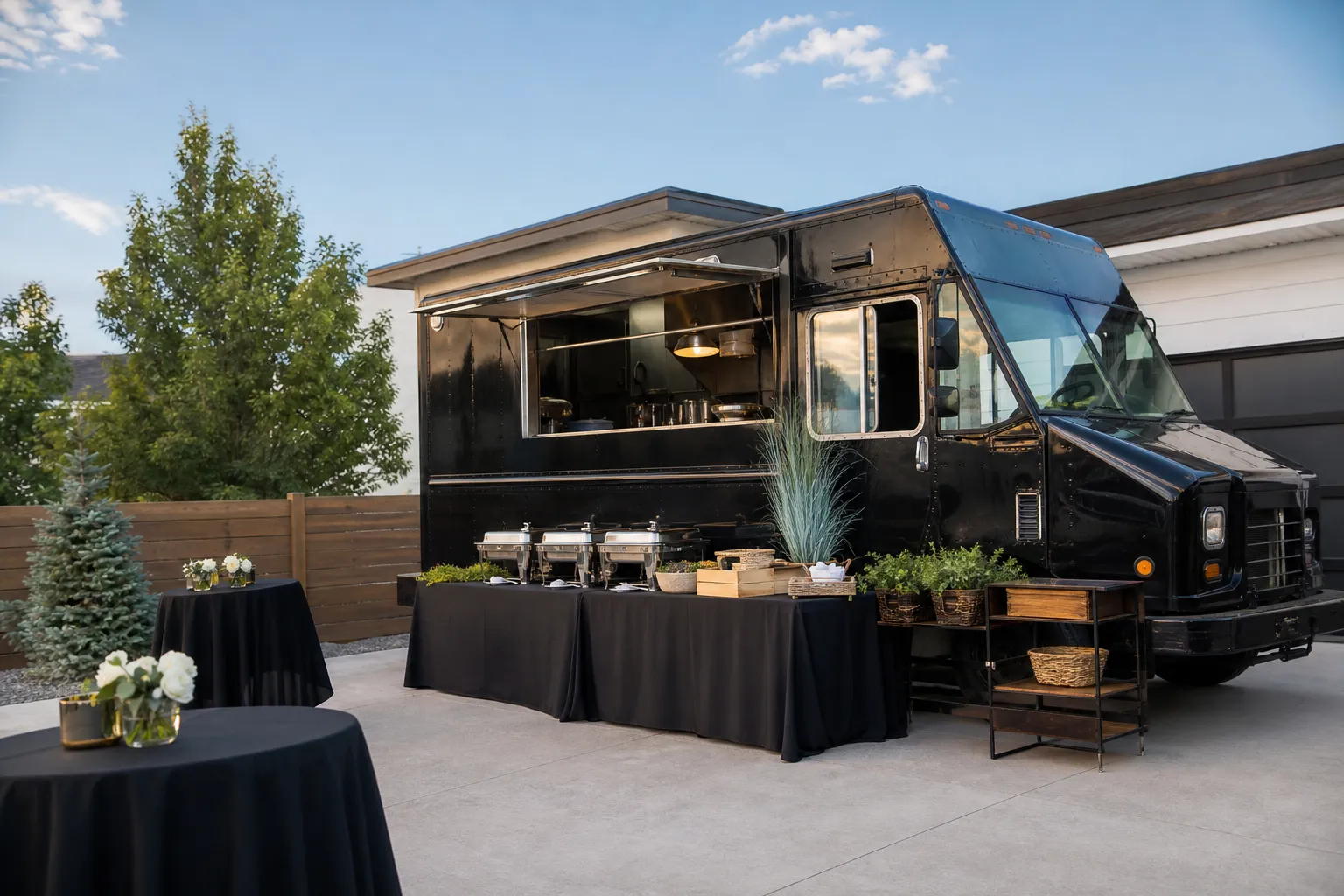
When a venue, office, or private property allows only a narrow access window, mobile caterer planning in Dacono becomes a logistics exercise as much as a food decision. A short setup period can work well, but only when the event timeline is built backward from guest arrival, service start, and site restrictions. For homeowners and business hosts, the goal is simple: protect catering readiness without creating a rushed, chaotic arrival experience. The most reliable approach is to define priorities early, reduce unnecessary setup tasks, and coordinate each vendor around the space a mobile caterer needs to serve safely and on time.
Start With the Non-Negotiable Timing Points
The first step is to identify the few timing points that cannot move. For a mobile caterer in Dacono, those usually include property access time, truck parking position, generator or power readiness if needed, final food prep timing, and the exact moment guests begin arriving. Once those are fixed, everything else should be arranged around them. Hosts often make the mistake of planning decor, rentals, or check-in tables first and assuming catering can fit into whatever time remains. In reality, food service depends on access, circulation, and equipment readiness. If you want a useful model for thinking through event flow around catering operations, it helps to review broader planning guidance like site access challenges for mobile catered events and apply those principles early.
A practical method is to count backward from the first guest arrival rather than forward from setup start. If guests arrive at 6:00 p.m., the service area should be fully staged before that, not still being assembled at 5:50. That means the truck should already be parked, vendor vehicles should be cleared, trash and supply stations should be placed, and the serving path should be obvious. Even for private events that are not weddings, timeline discipline matters. Articles discussing mobile catering timelines that actually work and event flow planning for mobile catered events are useful because the same sequencing logic applies: guests should never feel the setup pressure that the production team is managing behind the scenes.
Prioritize What Must Be Staged First
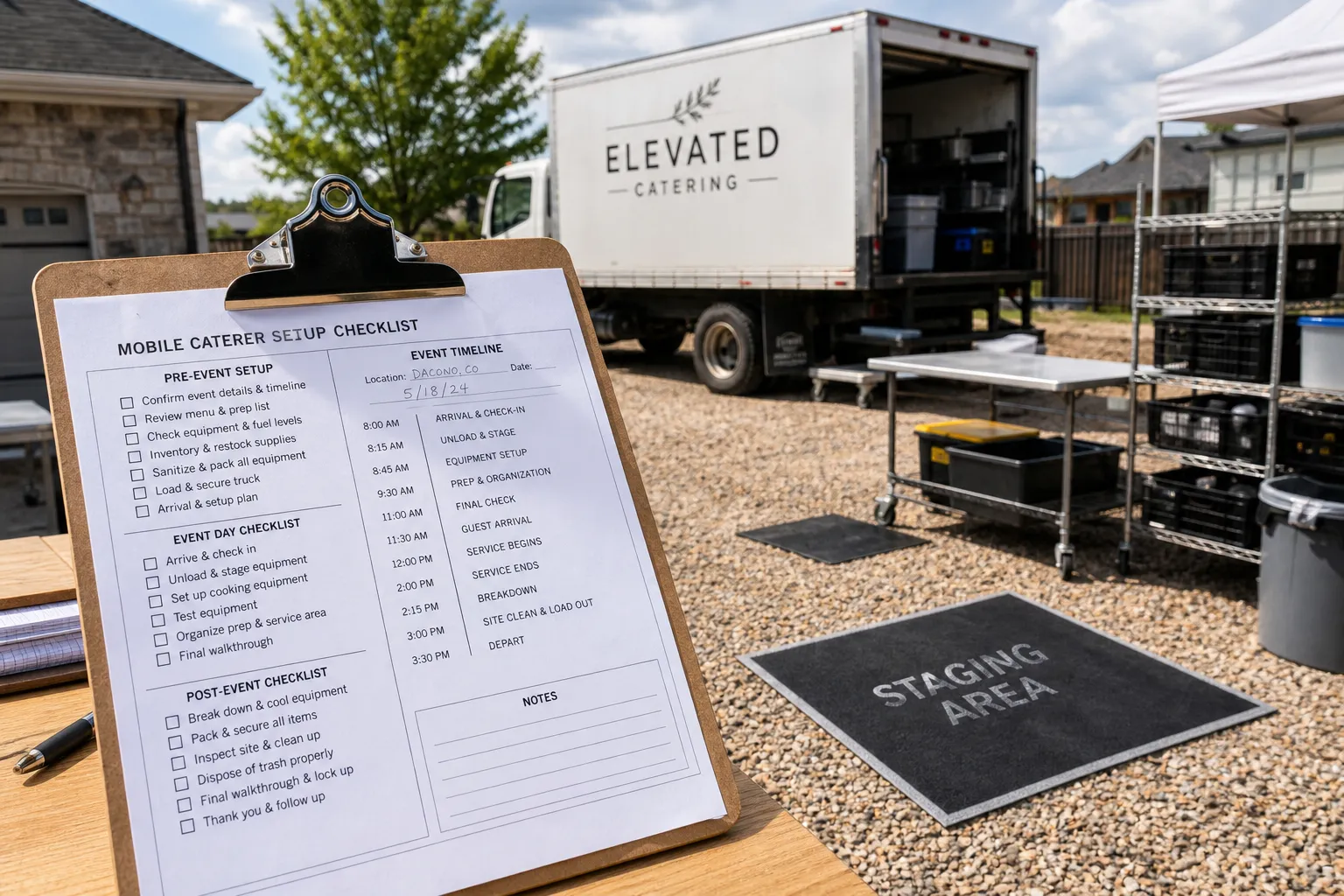
With a short access window, not every setup task has equal value. A strong mobile caterer plan in Dacono separates critical staging from optional finishing touches. Critical items usually include truck placement, guest queue direction, serving tables if they are part of the plan, condiment or beverage support stations, lighting for evening service, and trash or bussing points. Optional items may include decorative extras, signage refinements, or nonessential furniture adjustments. If something must be delayed, it should never be the items that protect food service speed and guest movement.
- Stage truck access and final parking before any decorative work begins
- Clear the guest path to the service area before unloading secondary items
- Set utilities, waste stations, and support tables before styling details
- Confirm the service opening time with all vendors from the same timeline
- Leave buffer time for the last 15 minutes before guests arrive
This is especially important on residential properties and office sites where setup space is tighter than hosts expect. A driveway, curb lane, or lot entrance can become blocked by florals, rentals, or early-arriving suppliers. When the mobile caterer in Dacono has to wait for access, the entire event compresses. To avoid that, assign one person to control the load-in order and one person to monitor the clock. If your event includes a casual mingling format rather than a seated meal, ideas from cocktail-style reception flow planning can help you think about circulation, standing space, and how guests move naturally around service points.
Sequence Vendors Around Catering, Not Against It
Short setup windows fail most often when vendors arrive in the wrong order. The cleaner strategy is to sequence everyone around the operational footprint of the mobile caterer. In most cases, the truck should access and settle first or very early, because its final position affects guest flow, safety clearances, and where support equipment can go. Rental deliveries that block turning radius, late AV unloading, or photo backdrops installed in circulation paths can all create avoidable delays. A timeline that works on paper can still fail if the parking and unloading sequence is unrealistic.
For hosts in Dacono, one of the best ways to prevent congestion is to create a vendor arrival chart with exact windows, not broad estimates. Instead of telling everyone to arrive “around 4,” assign staggered times and identify who must be fully clear before the next team moves in. This is the same logic used in larger events, and it translates well to private gatherings. Guidance from event planner advice for coordinated vendor-heavy events and planning around strict venue rules and end times reinforces the same point: sequence creates speed. Without a sequence, every vendor competes for the same access at the same time.
Build a Contingency Plan Before Event Day
A short setup window leaves very little room for improvisation. That is why a contingency plan matters just as much as the primary timeline. For a mobile caterer in Dacono, backup planning should address weather exposure, alternate parking positions, extension of the guest queue area, lighting changes, and who has authority to make quick decisions on site. If a gate opens late, a delivery vehicle lingers too long, or the property owner changes access instructions, the team needs an immediate next move rather than a debate.
Good contingency planning is not complicated. It simply answers the most likely “what if” questions in advance. What if the primary setup lane is blocked? What if guest arrivals begin early? What if the truck needs a slightly different service angle for safer flow? What if a support table cannot go where originally planned? Hosts who think through these details ahead of time usually protect both the guest experience and the catering timeline. Even planning resources focused on other event types, such as coordinating ceremony, cocktail hour, and dinner timing, are useful because they show how backup timing preserves the overall event rhythm when one piece shifts.
Communicate the Timeline Clearly to the Host Team
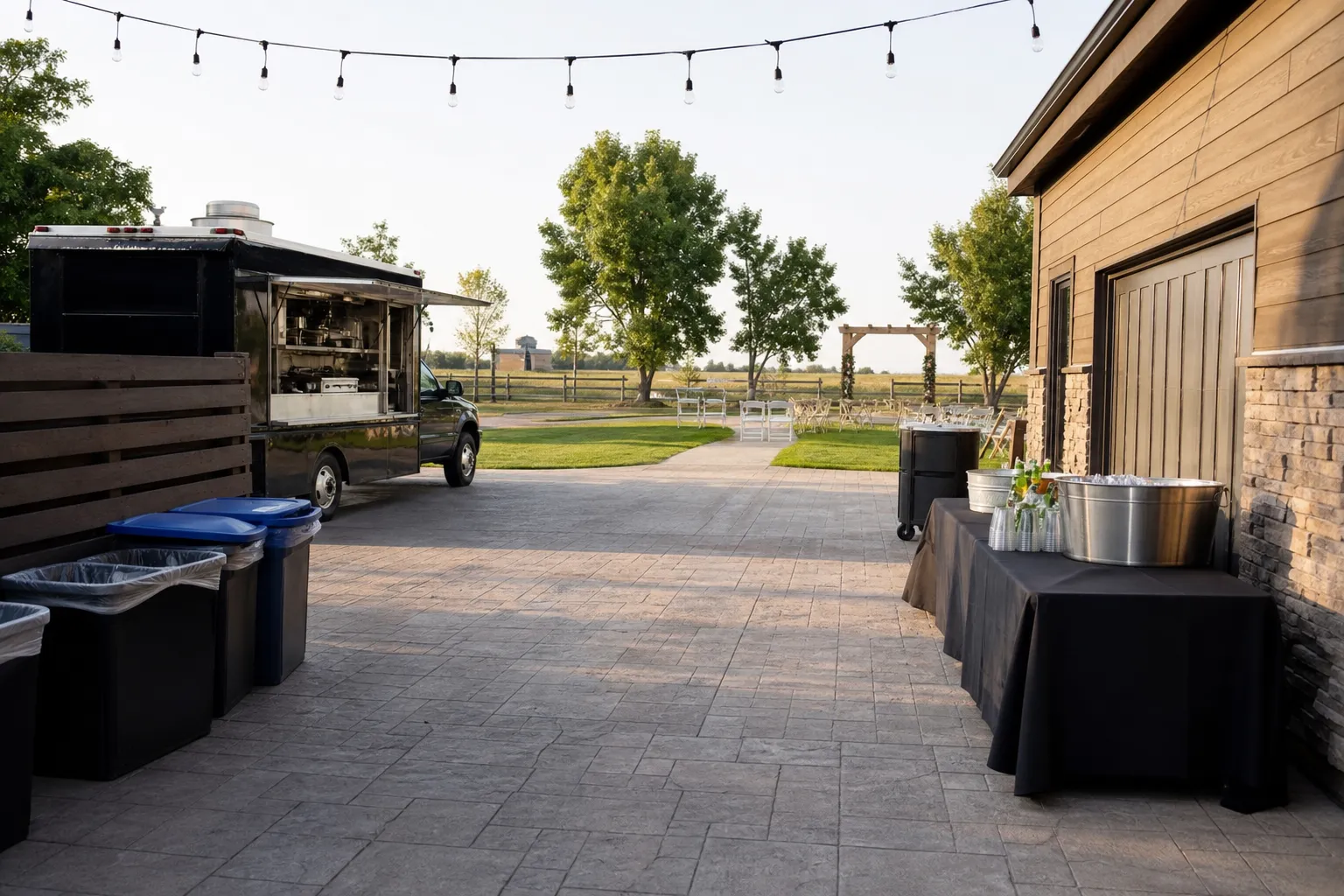
Even the best timeline can break down if only one person understands it. For private events, the host, property contact, and any on-site helpers should all know the key milestones for the mobile caterer setup in Dacono. They do not need every operational detail, but they should know when access must be clear, when the service lane cannot be blocked, when guests should be directed to gathering areas, and who makes final calls if something changes. Clear communication reduces last-minute interruptions like moving the truck after setup has begun or repurposing catering space for another use.
A simple one-page event sheet is often enough. Include access time, truck location, vendor order, service start, guest arrival time, and the name of the decision-maker. For business events, share that sheet with building contacts or office managers. For residential events, share it with family members who may otherwise begin directing setup based on convenience rather than the plan. This level of clarity makes mobile caterer in Dacono service feel smoother, more professional, and less vulnerable to day-of bottlenecks.
Protect the Guest Experience While the Setup Window Stays Tight
The real measure of a good short-window plan is whether guests notice any strain. They should arrive to a space that feels ready, organized, and easy to navigate. That outcome depends on staging priorities, vendor sequencing, and backup planning all working together. When the mobile caterer timeline is built realistically, food service starts on time, lines move better, and the event feels intentional instead of rushed. For homeowners and business owners alike, the smartest move is to simplify the setup plan so the most important elements happen first and the least important elements never interfere with service.
If you are organizing a private event with limited access, a thoughtful mobile caterer in Dacono plan can prevent avoidable delays and protect both catering and guest arrival. By defining non-negotiable timing points, staging essentials first, sequencing vendors carefully, and preparing contingencies in advance, hosts in Dacono can create a smoother event day with fewer surprises and a much stronger service experience.
Source: prepare for disruptions with a simple contingency plan
Frequently Asked Questions
The Food Truck Family with a hands-on approach shaped by a genuine passion for bringing people together through great food and smooth event experiences. Drawn to catering and mobile food service by the energy of celebrations and community gatherings, focuses on making each event feel well cared for from start to finish. The interest in this work comes from the simple idea that good food and thoughtful service can turn any occasion into something memorable. Customers can expect each truck to be approachable, detail-minded, and committed to making planning easier, whether they need catering, delivery, or support for a larger event. They bring a practical, customer-first mindset to every order and every celebration in Colorado.
- Specialized in catering services
- Experienced in mobile catering and event catering
- Offers event planning and event management services
- Provides wedding, party, takeout, and meal delivery services