Planning a Wedding With Mobile Catering: How to Coordinate Ceremony Timing, Cocktail Hour, and Dinner Service
What You'll Learn
- Build a wedding timeline that supports smooth guest transitions
- Prevent dinner delays by coordinating photos and catering setup early
- Match cocktail hour length to travel, service, and family photo needs
- Use site planning to keep vendors, guests, and food service moving well
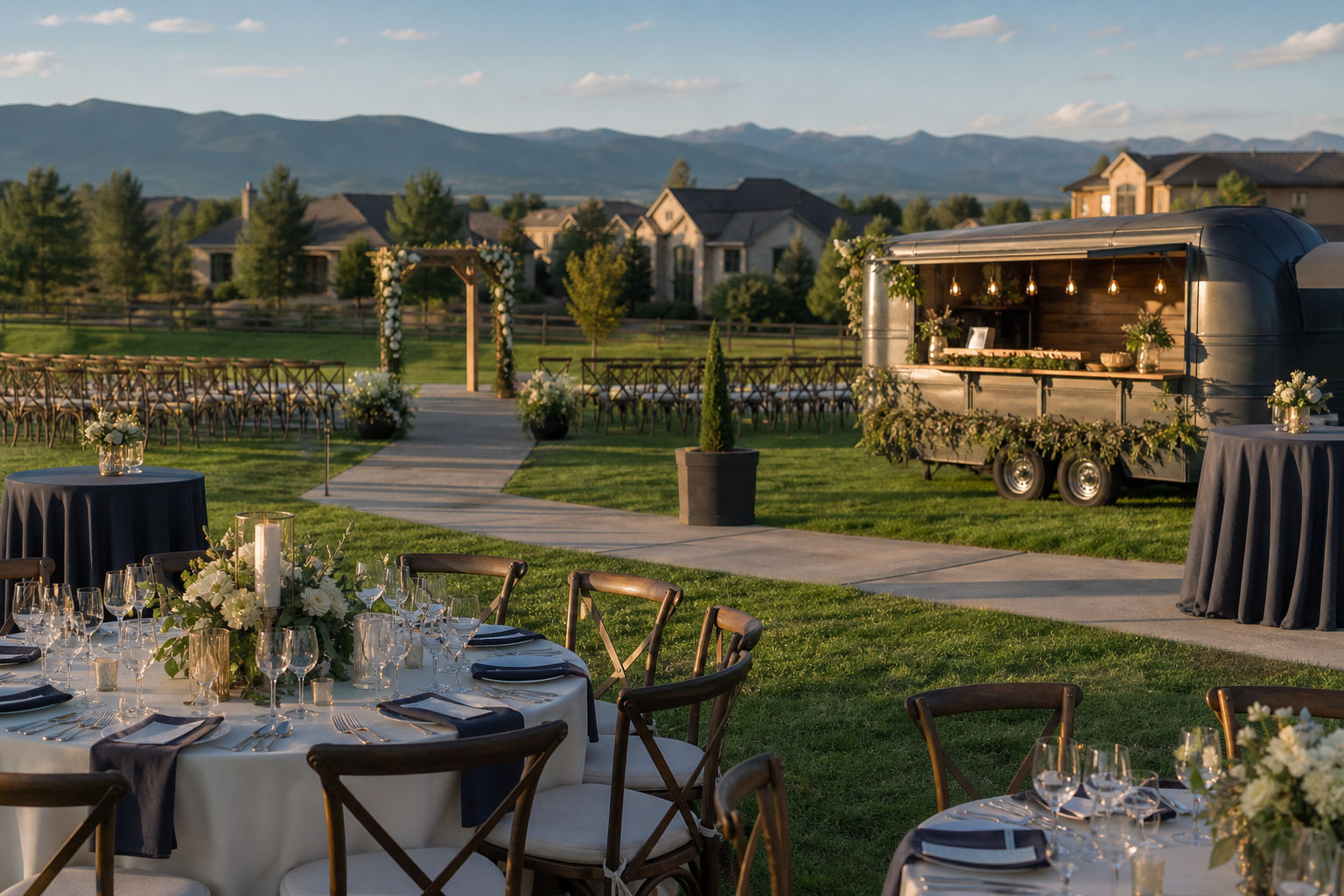
A beautiful wedding reception rarely feels rushed by accident. It feels smooth because the ceremony timeline, photo schedule, guest movement, and catering service were coordinated well before the wedding day. For couples planning a mobile catered wedding in Thornton, Denver, or Aurora, that coordination matters even more. Unlike a traditional ballroom with a built-in kitchen and fixed service path, mobile catering depends on thoughtful timing, site access, setup windows, and a realistic plan for how guests move from one part of the celebration to the next.
The most common reception problem is not the food itself. It is the gap between what the couple expects and how long each part of the day actually takes. If the ceremony runs late, family photos are still happening during cocktail hour, or guests are unsure where to gather before dinner, the entire evening can start to drift. That is why early planning with an experienced mobile caterer and event planner like The Food Truck Family helps protect the flow of the day from the first guest arrival through the final dinner service.
Start with the full wedding-day sequence, not just the meal
When couples think about catering, they often begin with menu choices. Menu matters, but timeline matters first. A mobile catering team needs to know when guests arrive, when the ceremony begins, when the ceremony ends, where guests go next, how long formal photos will take, and when the couple wants dinner to begin. Those decisions influence setup timing, staffing, food holding, serving style, and whether cocktail hour should be 45 minutes, 60 minutes, or longer.
A practical planning process starts by mapping the event in sequence: guest arrival, ceremony seating, recessional, post-ceremony mingling, family photos, wedding party photos, cocktail hour, guest invitation to dinner, grand entrance if needed, and meal service. If you are still deciding how much coordination support you need, When to Hire an Event Planner for a Small Event and When You Can Keep Coordination Simple is a useful starting point for understanding where professional oversight makes the biggest difference.
- Set a firm ceremony start time based on guest arrival and parking realities
- Estimate photo time honestly, especially for large family groupings
- Decide where guests wait after the ceremony and what they do there
- Confirm when the caterer can fully set, stage, and begin service
Build a cocktail hour that serves both guests and the timeline
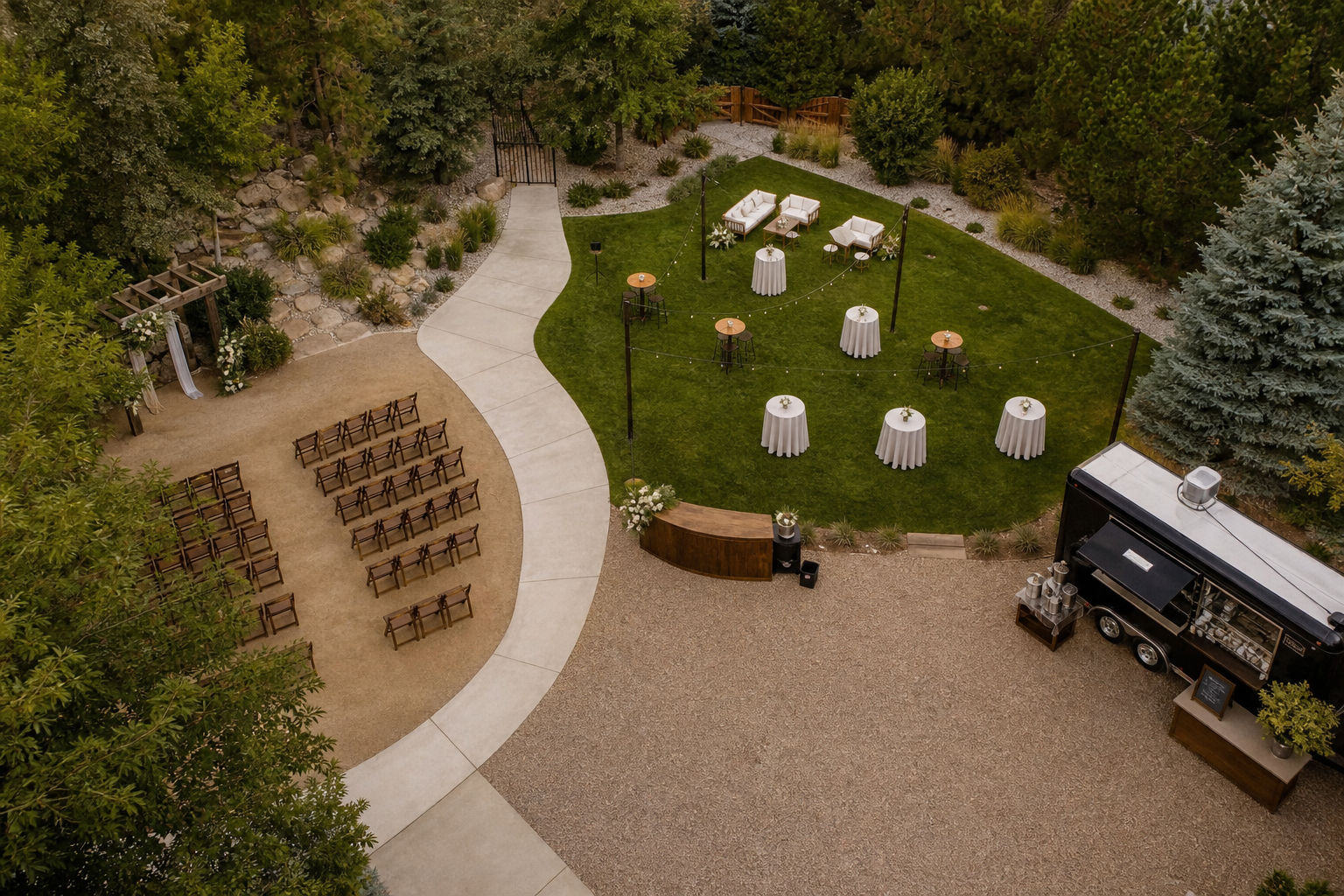
Cocktail hour should do more than fill time. It should create a comfortable transition while the couple finishes photos and the catering team prepares for dinner service. In many weddings across Westminster, Broomfield, and Northglenn, cocktail hour is the buffer that keeps the reception from feeling stalled. But it only works if the length matches the actual needs of the day.
If your ceremony and reception are in the same place, guests may be ready for cocktails within minutes of the recessional. If there is travel between locations, that travel time becomes part of the transition and may reduce how long cocktail hour needs to be. If the couple wants sunset portraits, cocktail hour may need to be extended with enough food and beverage support to keep guests comfortable. The right answer depends on your site, your guest count, and your priorities, which is why Questions an Event Planner Will Ask Before Coordinating a Wedding, Private Party, or Corporate Gathering can help couples think through the details that affect service timing.
What to confirm before locking in cocktail hour
- How many photo combinations are required after the ceremony
- Whether the photographer needs the full wedding party off-site or nearby
- How long catering setup and final food staging need on the property
- Where guests will gather so they are not blocking service paths or entrances
- How guests will be invited from cocktails into dinner without confusion
For mobile catered weddings, guest placement during cocktail hour is especially important. Guests should have a natural place to gather that feels intentional, not like a holding area. At the same time, they should not be standing where service equipment, delivery vehicles, or staff need to move. Couples planning backyard weddings or private-property receptions often benefit from reviewing site flow in advance, and How an Event Planner Builds a Site Plan for Private Events With Mobile Catering in Thornton and Denver explains how a site plan helps protect both hospitality and logistics.
Coordinate photos with dinner service, not against it
One of the easiest ways to create reception delays is to schedule photos without considering when dinner is supposed to start. If the couple is unavailable for too long after the ceremony, guests may be seated but waiting. If the couple wants to visit during cocktail hour, take family portraits, and capture private portraits in several locations, dinner service needs to be planned around that reality. The goal is not to rush meaningful photos. The goal is to make sure the rest of the event is built to support them.
A strong timeline often includes a detailed photo list, a designated family photo wrangler, and a clear cutoff time for post-ceremony portraits. That allows the mobile caterer to prepare service confidently and helps the planner know when to begin guest transitions into dinner. Couples in Arvada, Lakewood, and Littleton often discover that even ten unplanned minutes between photos and seating can ripple into toasts, music, and dessert later in the evening.
Use guest transitions to keep the celebration feeling natural
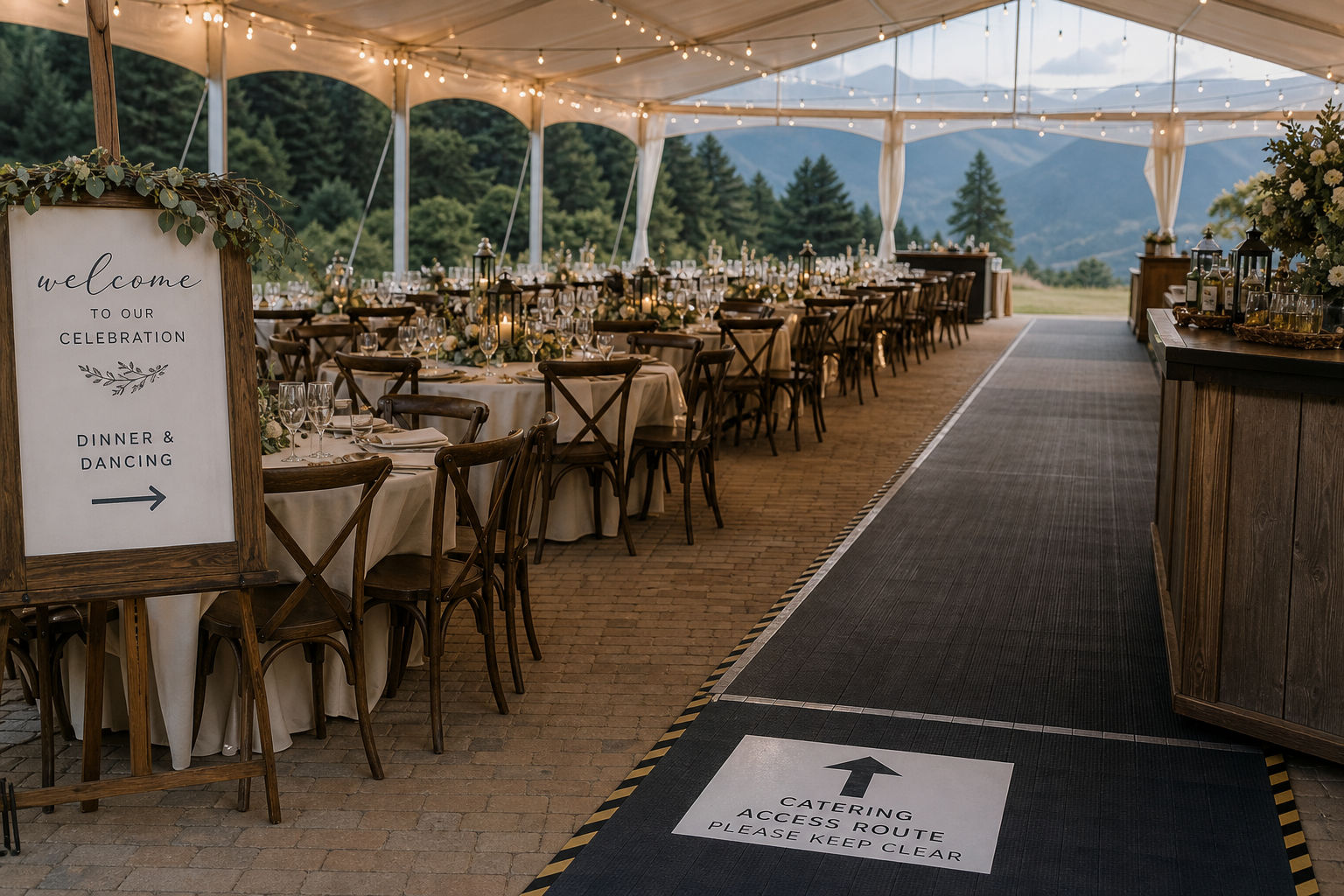
Guests generally do not mind a transition. What they notice is uncertainty. If they do not know where to go after the ceremony, whether dinner is starting soon, or why seating is delayed, the event begins to feel disjointed. Good event flow solves that with clear cues: a cocktail area that is easy to find, seating that is ready when announced, and a dinner start that follows naturally from the energy of the room. For a deeper look at this planning approach, Event Flow Planning for Mobile Catered Weddings in Thornton and North Denver offers helpful context.
With mobile catering, transitions should also account for practical operations. Where will the truck or mobile kitchen park? How will staff move food safely to the serving point? Is there enough room for lines if dinner is served from a station or truck window? Will elderly guests or families with children need closer seating or earlier access? These are not small details. They are the decisions that make a wedding feel polished and well-paced.
Simple ways to reduce delays
- Finish as many formal photos as possible before the ceremony
- Assign one person to cue family members for post-ceremony portraits
- Keep cocktail hour near, but not inside, dinner service lanes
- Use one clear announcement method for seating and meal timing
- Share the final timeline with catering, photo, venue, and music teams
Why early coordination matters for local weddings
In markets like Commerce City, Brighton, Centennial, and Parker, couples often work with private venues, outdoor spaces, community properties, and residential locations that do not have the built-in systems of a banquet hall. That flexibility is part of the appeal of mobile catering, but it also means more decisions need to be made early. Parking, power, weather backup plans, walking distance, and guest accessibility all influence how quickly the event can move from ceremony to cocktails to dinner.
Early coordination gives your caterer time to recommend the right service style, your planner time to create a realistic site and timing plan, and your other vendors time to work from the same expectations. It also helps couples avoid the stress of making timeline changes in the final week. When everyone understands the sequence in advance, the wedding day feels more relaxed because fewer decisions are being made in the moment.
Plan the celebration around how the day will actually unfold
The best wedding timeline is not the one that looks perfect on paper. It is the one that matches your location, your guest experience goals, and the real pace of your day. If you want a relaxed cocktail hour, meaningful portraits, and dinner service that starts on time, those pieces have to be coordinated early. Mobile catered weddings can feel seamless and memorable when the flow is intentional from the start.
The Food Truck Family helps couples across Thornton, Denver, Aurora, and surrounding communities coordinate mobile catering with practical event planning insight. When ceremony timing, photos, cocktail hour, and dinner service are designed together, the celebration moves naturally and guests feel cared for at every step.
Source: wedding reception timeline guide