Questions an Event Planner Will Ask Before Coordinating a Wedding, Private Party, or Corporate Gathering
What You'll Learn
- See how discovery questions prevent event-day problems
- Understand venue, access, power, and timing needs early
- Learn what affects guest flow, bar service, and meal pacing
- Find out how backup plans protect outdoor events
- Know why planning support matters beyond the menu
Great catering does not begin with a menu. It begins with discovery. Before coordinating a wedding, private party, or corporate gathering, an experienced planner asks a series of practical questions that shape the event from the ground up. For homeowners and business hosts in Thornton, Denver, and Aurora, those early conversations often determine whether service feels smooth and professional or rushed and reactive.
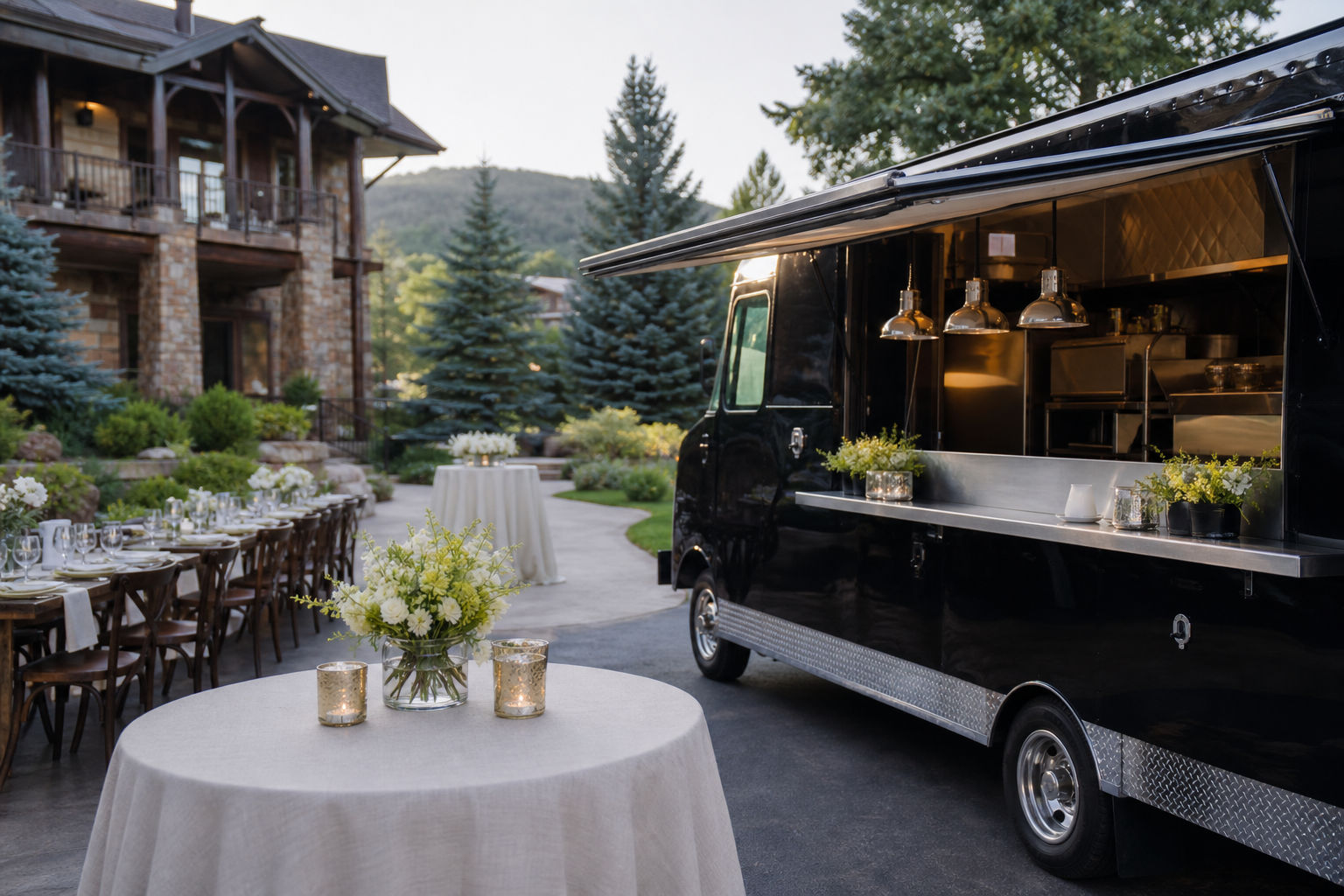
At The Food Truck Family, planning starts with understanding the setting, the guest experience, and the operational realities of the day. That includes much more than food selection. Guest count, venue access, power availability, alcohol service, weather backup, meal timing, parking, and site rules all affect how a mobile caterer and event planner can execute successfully. Asking the right questions early helps avoid bottlenecks, protects your timeline, and creates a better event for everyone attending.
Why the discovery process matters
Many event issues are predictable. Long lines, delayed meal service, blocked setup paths, inadequate lighting, limited electrical access, and poor guest flow usually do not happen because a team lacked effort. They happen because important details were not identified soon enough. A strategic planning partner uses discovery questions to spot constraints before they become problems.
This is especially important for mobile catering at homes, offices, private venues, and outdoor spaces across Westminster, Broomfield, and Lakewood, where every site functions differently. A planner who understands event logistics can adapt service style, setup location, staffing, and timing to fit the property instead of forcing a one-size-fits-all approach.
The first question: what kind of event are you hosting?
A wedding reception has very different pacing needs than a backyard birthday, graduation party, employee appreciation lunch, or networking event. The first discovery question establishes the event type, purpose, and tone. Is the goal formal and structured, casual and social, or fast-moving and efficiency-focused? That answer influences menu design, service windows, staffing levels, and layout planning.
It also helps define what success looks like. For a corporate gathering, success may mean serving guests quickly within a fixed lunch break. For a private party, it may mean keeping food available over a longer social window. For a wedding, it may mean aligning meal service with ceremony timing, speeches, photography, and dancing.
How many guests are coming, and who are they?
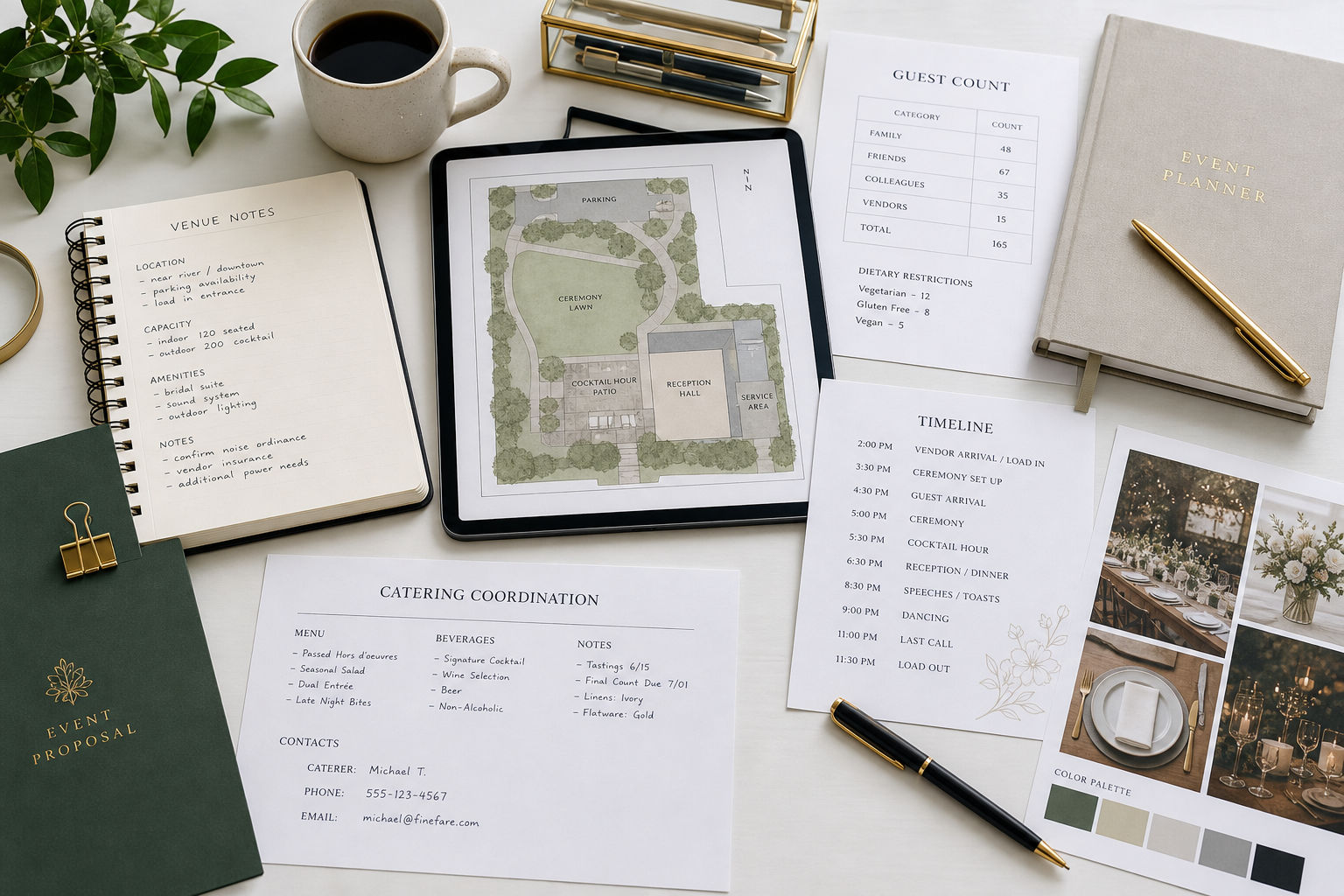
Guest count is one of the most important planning variables, but planners also need to know more than the headline number. Are 40 guests arriving at once, or will 120 cycle through over several hours? Are there children, seniors, or guests with mobility concerns? Will there be vendors, performers, or staff who also need meals? These details affect production volume, line management, seating, and service pace.
Mixed-age events often require a different service strategy than adult-only gatherings. A planner may recommend adjusted menu timing, easier access paths, or multiple service points to reduce crowding. If your guest list spans generations, it helps to think through comfort and movement early, much like the considerations covered in Planning an Event for Mixed Age Groups: How to Balance Kids, Adults, Seniors, and Service Logistics.
Where will service happen, and how easy is access?
For a mobile caterer, the property itself is a major planning factor. A planner will ask where the truck or service station can park, how wide the access route is, whether there are gates or tight turns, and how far service is from the guest area. They may also ask about slope, surface type, curbs, low branches, loading dock rules, elevator access, and setup windows.
These questions are critical at private homes in Northglenn, Arvada, and Littleton, where driveways, alleys, cul-de-sacs, and neighborhood traffic can affect operations. They also matter at offices and event venues with designated vendor entrances or strict loading schedules. If your event site has limited room, the planning process should address that immediately, similar to the site-specific concerns discussed in How to Plan a Private Event on a Tight Property Footprint in Thornton, Arvada, and Westminster.
What are the venue rules, permits, and neighborhood restrictions?
Not every location allows the same kind of setup. A strong planner will ask whether the venue permits food trucks, open-flame cooking, amplified sound, alcohol service, generators, or after-dark service. For residential events, homeowners associations may limit parking, event hours, or vendor placement. Some municipalities or venues may also require certificates of insurance, permits, or site approvals.
These details are best confirmed early, not a week before the event. For home-based events, HOA and access restrictions can shape everything from truck placement to guest arrival flow, as outlined in Event Planning for Events at Homes With HOAs: Rules, Access, and Guest Logistics to Address Early. A planner who asks about these items upfront can build a realistic plan instead of relying on assumptions.
Is power available, and what utilities are on site?
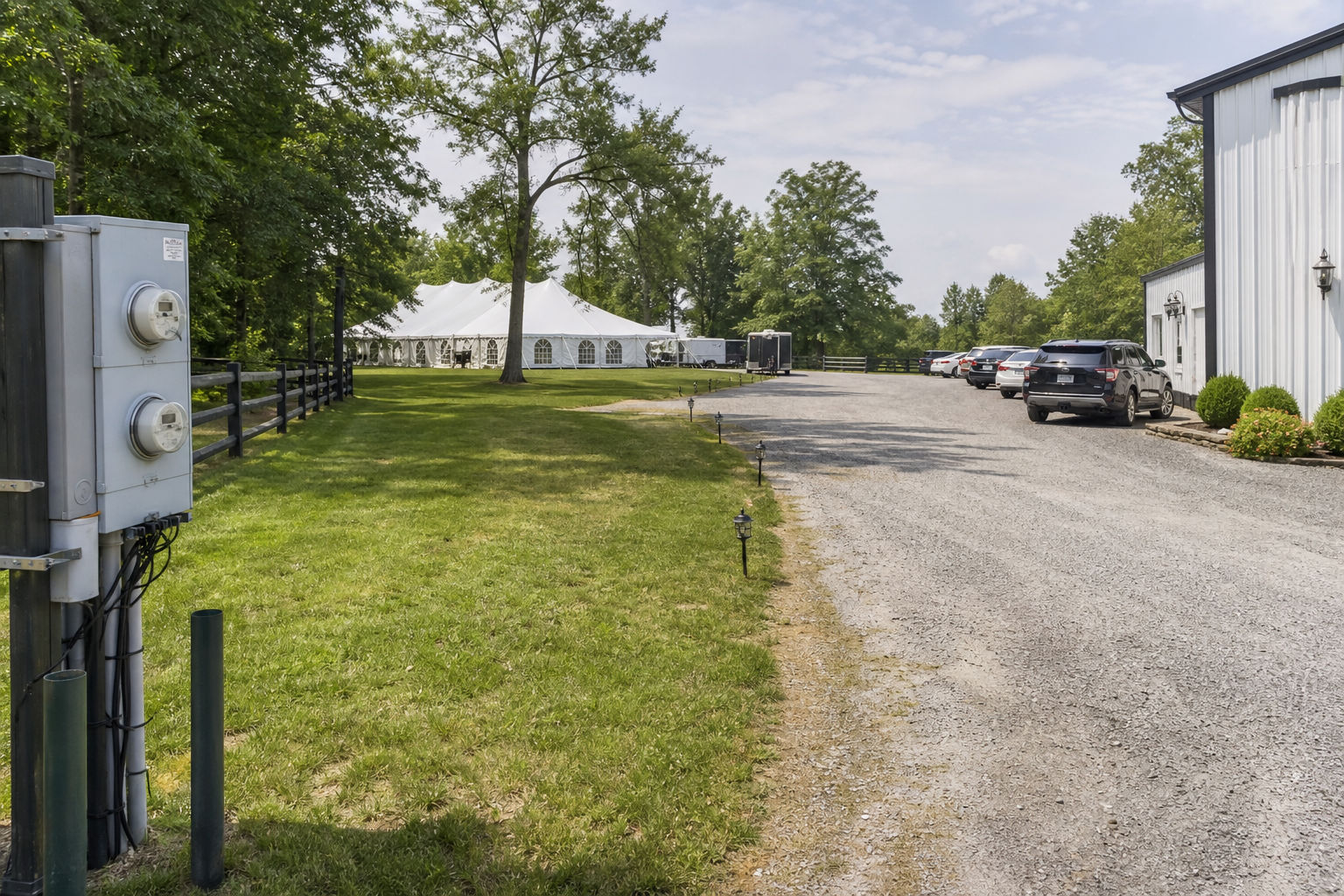
Power availability is a simple question with major operational impact. A planner may ask whether the site has dedicated electrical service nearby, what outlets are available, whether extension runs are allowed, and if additional lighting is needed for evening events. Water access, waste disposal, and restroom proximity may also come up depending on event size and duration.
Even when a mobile caterer can operate independently, utility information helps determine the best setup plan and backup options. If an event includes rentals, warming equipment, beverage stations, or DJ and AV support, electrical planning becomes even more important. For larger weddings and company functions, utility coordination often overlaps with broader service mapping, similar to the approach described in How Event Planners Coordinate Multi-Point Service for Large Private Parties and Corporate Gatherings.
Will alcohol be served, and who is managing it?
Alcohol service affects layout, licensing considerations, staffing, ID-check procedures, and guest flow. A planner will ask whether alcohol is being served, who is providing it, whether bartenders are needed, and whether the venue has restrictions on glassware, service hours, or consumption areas. For corporate events, they may also ask about company policies or liability requirements.
This matters because food and beverage service should support each other. If the bar opens long before meal service, guests may need passed appetizers or adjusted timing. If there is only one central service area, planners may recommend spacing food and bar lines to reduce congestion. These are the kinds of decisions that improve comfort and keep the event moving.
What is the timeline, and when should guests eat?
Meal timing is about more than selecting lunch or dinner. A planner will ask when guests arrive, whether there is a ceremony or presentation first, how long the event lasts, and whether food should be available all at once or in stages. Morning, midday, and evening events each create different expectations around portioning, pacing, and beverage service.
For example, a 10:30 a.m. employee event in Commerce City may call for fast, efficient service and lighter timing than a 6:00 p.m. wedding reception in Centennial. A private party in Parker might need a delayed meal window if guests are swimming, socializing, or arriving in waves. If your event is not built around a traditional dinner service, the planning considerations in Morning and Midday Event Planning: What Changes When Your Catered Event Is Not Held at Dinner Time are especially relevant.
What is the weather backup plan?
Outdoor events always need a contingency plan. A planner will ask what happens if there is wind, rain, extreme heat, or a sudden temperature drop. Is there tent coverage, indoor access, an alternate service area, or a way to protect guest seating and food lines? The goal is not to assume the worst. It is to remove uncertainty before event day.
In Colorado, weather planning is essential for weddings, backyard parties, and company events alike. A realistic backup plan protects vendors, guests, equipment, and the overall schedule. For a deeper look at this process, see How an Event Planner Builds a Weather Backup Plan for Outdoor Weddings and Private Parties in Thornton and Denver.
Why these questions position a caterer as a planning partner
Any caterer can ask what you want to eat. A true planning partner asks what needs to happen for the event to run well. That means thinking ahead about access, utilities, timing, bar coordination, weather, guest movement, and site restrictions before final recommendations are made. It is a more strategic approach, and it usually leads to better outcomes for hosts and guests.
For clients in Thornton, Denver, Aurora, Westminster, and surrounding communities, The Food Truck Family brings that planning mindset to weddings, private parties, and corporate gatherings. When discovery is done thoroughly, service becomes more predictable, communication gets easier, and your event team can focus on execution instead of troubleshooting avoidable issues.
- Confirm guest count ranges and age mix early
- Review parking, truck placement, and service access
- Check venue rules, HOA limits, and permits
- Map power, lighting, and utility needs
- Align meal timing with the event schedule
- Build a clear weather and alcohol service plan
If you are planning an event and want guidance that goes beyond food selection, a detailed discovery conversation is the right place to start. The right questions now can save time, reduce stress, and support a smoother event from setup through final service.
Source: prepare for emergencies