How an Event Planner Builds a Weather Backup Plan for Outdoor Weddings and Private Parties in Thornton and Denver
What You'll Learn
- Decide backup layouts before event day to reduce disruption
- Match tenting and rentals to wind, rain, and temperature risks
- Adjust catering and service timing without hurting guest flow
- Create guest communication plans that prevent confusion
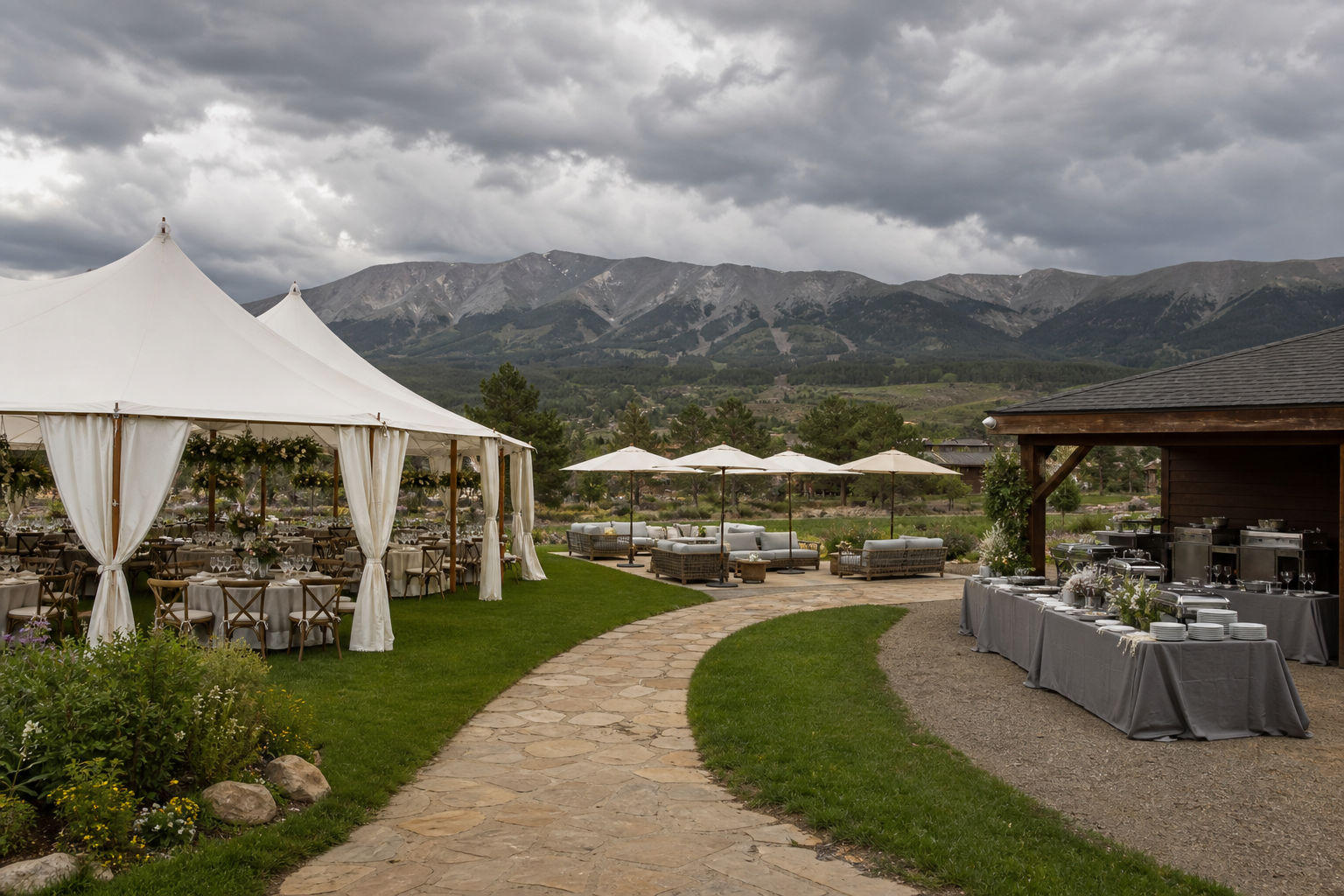
Outdoor weddings and private parties across Thornton, Denver, and surrounding communities can be beautiful, but Colorado weather can change fast. A warm afternoon can turn windy by cocktail hour, a calm morning can become a thunderstorm watch, and a comfortable sunset can quickly feel cold for guests. A professional event planner does not wait to react on event day. Instead, the planner builds a weather backup plan in advance so the celebration can continue with less stress, fewer delays, and better guest comfort.
For hosts, the most important idea is simple: weather planning is part of event design, not a last-minute add-on. For a mobile caterer and event planning team like The Food Truck Family, weather affects layout, food service, equipment placement, staffing, timelines, and communication. Whether the event is in Aurora, Westminster, or a backyard in Broomfield, the goal is to make sure there is already a clear Plan B before the first table is set.
Start with the site, not the forecast
A reliable backup plan starts with understanding the property or venue. The forecast matters, but the site determines what options are actually possible. During a walkthrough, an event planner looks at drainage, slope, exposure to wind, access for vendors, power availability, shaded areas, and nearby indoor or covered spaces. That is why a detailed walkthrough is so important, especially for outdoor events. If you want to understand what planners evaluate before making weather decisions, see What an Event Planner Needs From Your Venue Walkthrough Before a Wedding or Private Party.
In practical terms, the planner is asking questions like these: Where can guests move if rain starts? Can a tent be safely installed on this surface? Will a food truck or mobile kitchen still have stable access if the ground gets soft? Is there room to rotate seating if wind direction changes? At homes and private properties in Northglenn, Arvada, and Commerce City, these details often matter even more because the space was not originally built as an event venue.
- Primary ceremony, dining, and service layout
- Secondary layout for rain or strong wind
- Covered or indoor fallback areas for guests and food service
- Access routes for vendors if conditions change
- Power, lighting, and flooring needs for backup spaces
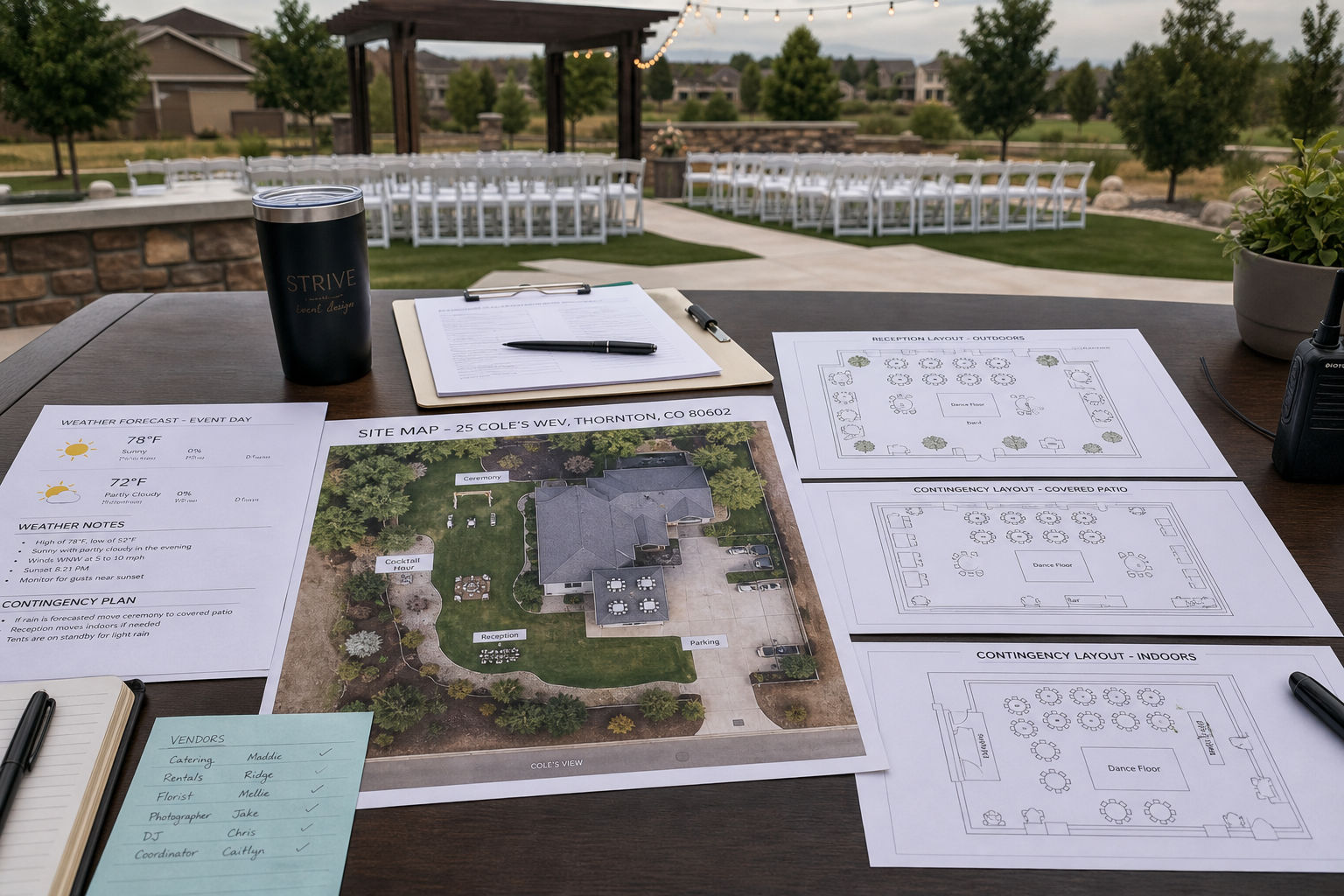
Build contingency layouts before event day
One of the biggest mistakes hosts make is assuming they can "figure it out" if weather changes. In reality, moving a ceremony, changing dining placement, or shifting service lines takes time, labor, and coordination. A professional planner creates contingency layouts in advance so every vendor knows what happens under specific conditions. If wind reaches a certain level, the ceremony arch may be removed. If rain is likely during dinner, buffet service may shift under tenting or to a sheltered service point. If temperatures drop after sunset, dessert or coffee service may move earlier.
These layout decisions also need to support guest flow. A backup plan should not create bottlenecks at the bar, crowding around food service, or long walks between covered spaces. This is especially important for larger celebrations in Lakewood, Littleton, and Centennial where guests may arrive in phases, not all at once. Timing and flow work together, which is why planning guest movement matters just as much as planning the menu. A related example is How to Plan an Event Schedule for Guests Who Arrive in Waves Instead of All at Once.
What a good backup layout usually includes
- A weather trigger point, such as forecasted rain percentage or wind conditions
- A mapped relocation plan for ceremony, dining, bar, and guest gathering areas
- Protected service space for catering equipment, prep, and holding
- Clear vendor assignments so setup changes happen quickly
- A final decision deadline, often the day before or morning of the event
Make tenting decisions early, not after the weather turns
Tenting is often the most visible part of a weather backup plan, but it should be based on function, not just appearance. In Colorado, a tent may be needed for rain protection, wind management, shade, or overnight temperature drops. The right decision depends on guest count, site surface, sidewall options, drainage, and how food and beverage service will operate underneath it.
For example, a planner may recommend tenting over dining only, or over dining plus service stations, or over the ceremony area if there is no indoor fallback. In Parker, Lone Tree, and Castle Rock, wind exposure can make tent anchoring and sidewall choices especially important. On some sites, a full tent is practical. On others, smaller covered zones for food service, bar service, and guest shelter may be the smarter answer. The key is deciding this early enough to reserve the proper rentals and avoid rushed substitutions.
Mobile catering adds another layer. A food truck or mobile kitchen still needs safe operating conditions, stable access, and enough room for staff to serve efficiently. If weather affects vendor setup windows or placement, the plan must account for that too. Hosts planning a more complex outdoor event may also benefit from reading How an Event Planner Coordinates Vendor Load-In and Setup for Mobile Catered Events in Thornton and Denver.
Adjust service timing to protect food quality and guest comfort
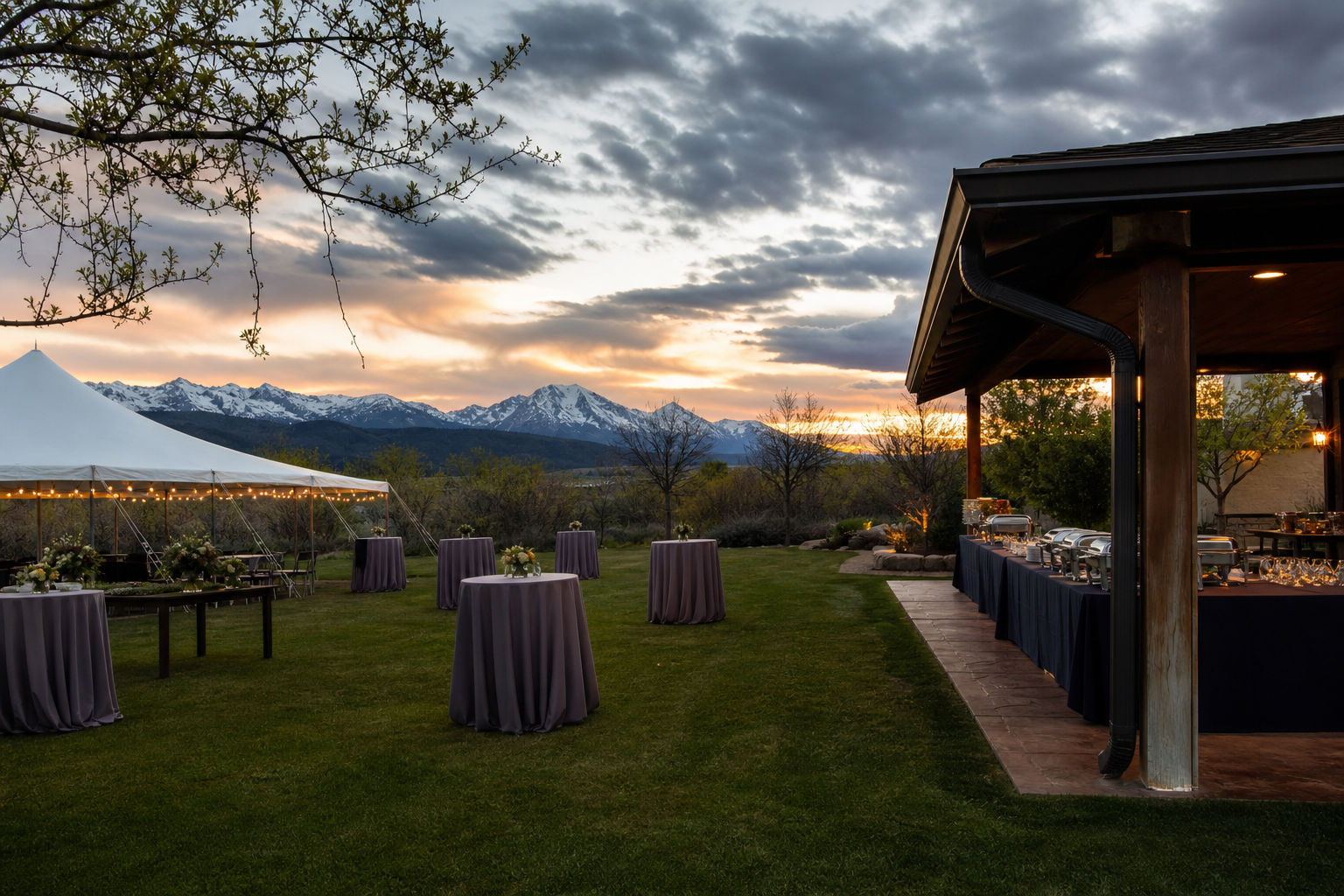
Weather backup planning is not only about where things go. It is also about when things happen. If afternoon heat is expected, passed appetizers may need to shorten and dinner may need to begin earlier. If evening temperatures will drop sharply, hot beverages, late-night snacks, or dessert service may move up before guests get uncomfortable. If storms are possible during a ceremony window, a planner may recommend shifting the order of events to protect the most important moments.
From a catering perspective, timing adjustments help preserve food quality and keep lines moving. Buffets, stations, and truck service all perform differently in heat, wind, or rain. Menu planning may also support the weather plan, especially when dietary needs and service speed must stay aligned. For more on that side of planning, see How to Plan an Event Menu and Service Style Around Guest Dietary Needs Without Slowing Down the Event.
Decide how guests will be informed
Even the best backup plan can feel chaotic if guests do not know what to expect. A professional event planner helps hosts decide what should be communicated before the event and what should be saved for day-of updates. For weddings and private parties, that may include footwear guidance for grass or uneven ground, suggestions for layers after sunset, parking updates if rain changes access, or a note that portions of the event may move under cover if needed.
Guest communication should be calm, simple, and practical. The objective is not to alarm people about weather. It is to reduce confusion and help everyone arrive prepared. For corporate or client-facing events in Denver or Englewood, this matters even more because poor communication can create crowding, delays, and a disorganized first impression. That same principle appears in Corporate Event Planning Mistakes That Cause Delays, Crowding, and Guest Frustration.
What hosts should finalize before event day
- The exact weather backup layout and who approves switching to it
- Tent, sidewall, heater, fan, or flooring rental decisions
- Revised timeline options for heat, wind, rain, or cold evening temperatures
- Vendor setup and load-in adjustments if ground or access changes
- Guest messaging for arrival, attire, parking, and schedule updates
If your event is at a park or public space, planning becomes even more important because site rules, permits, and access limitations can reduce your options. In those cases, weather backup decisions need to be worked through far in advance. Hosts considering that type of event should review Planning a Wedding or Private Party at a Park or Public Space in Denver: What an Event Planner Handles Before Event Day.
Why professional planning matters for Colorado outdoor events
A weather backup plan is really a coordination plan. It connects the venue or property, the catering setup, the rental strategy, the event timeline, and the guest experience. That is why experienced planning matters so much for outdoor events in Thornton, Denver, and nearby communities. When decisions are made in advance, weather becomes a manageable variable instead of a day-of crisis.
The Food Truck Family helps hosts think through these details before the celebration begins, from mobile catering logistics to event flow and contingency planning. For homeowners and local business owners, that preparation can mean fewer disruptions, smoother service, and a more comfortable experience for every guest, even when Colorado weather refuses to stay predictable.
Source: National Weather Service Denver/Boulder forecast resources