Corporate Event Planning Mistakes That Cause Delays, Crowding, and Guest Frustration
What You'll Learn
- Prevent delays with smarter scheduling and vendor coordination
- Avoid crowding by improving headcounts and site logistics
- Create smoother service windows for staff, clients, and guests
- Plan business events that feel organized and professionally managed
Corporate events are often judged by how smoothly they run. Whether you are organizing an employee appreciation lunch, a client mixer, or a grand opening, guests notice when check-in backs up, food lines stall, or the space feels overcrowded. For business owners and office managers in Denver, Thornton, and Aurora, these issues usually do not come from one big mistake. They come from a series of small planning gaps that compound on event day.
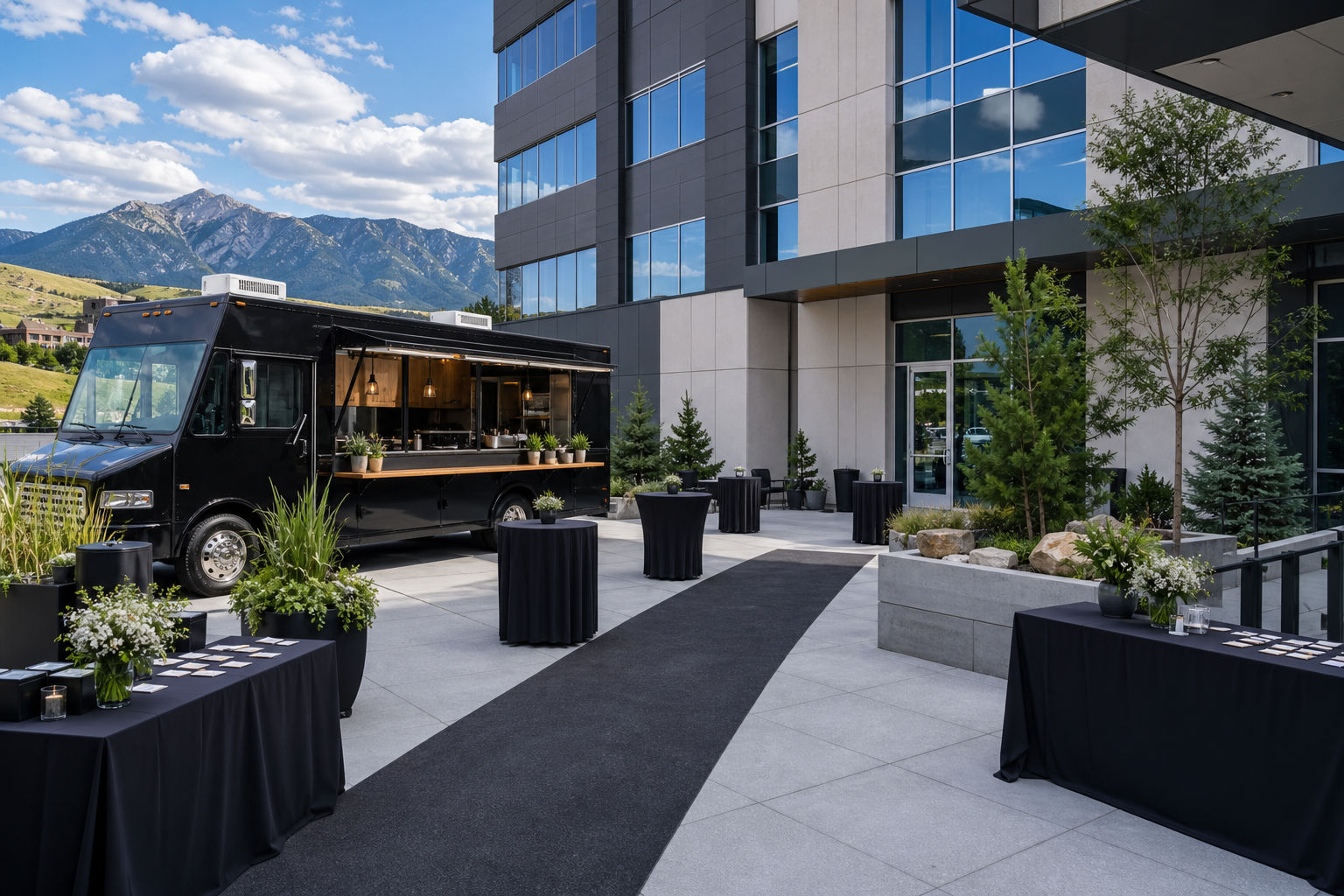
Strong event execution depends on clear timelines, accurate guest planning, practical site logistics, and service that matches the flow of the event. A mobile caterer and event management partner can help connect those moving parts so food, traffic patterns, setup, and guest experience work together instead of competing with each other. When planning is coordinated early, business events feel more polished, more welcoming, and much easier to manage.
Mistake 1: Building a Timeline That Looks Fine on Paper but Fails in Real Time
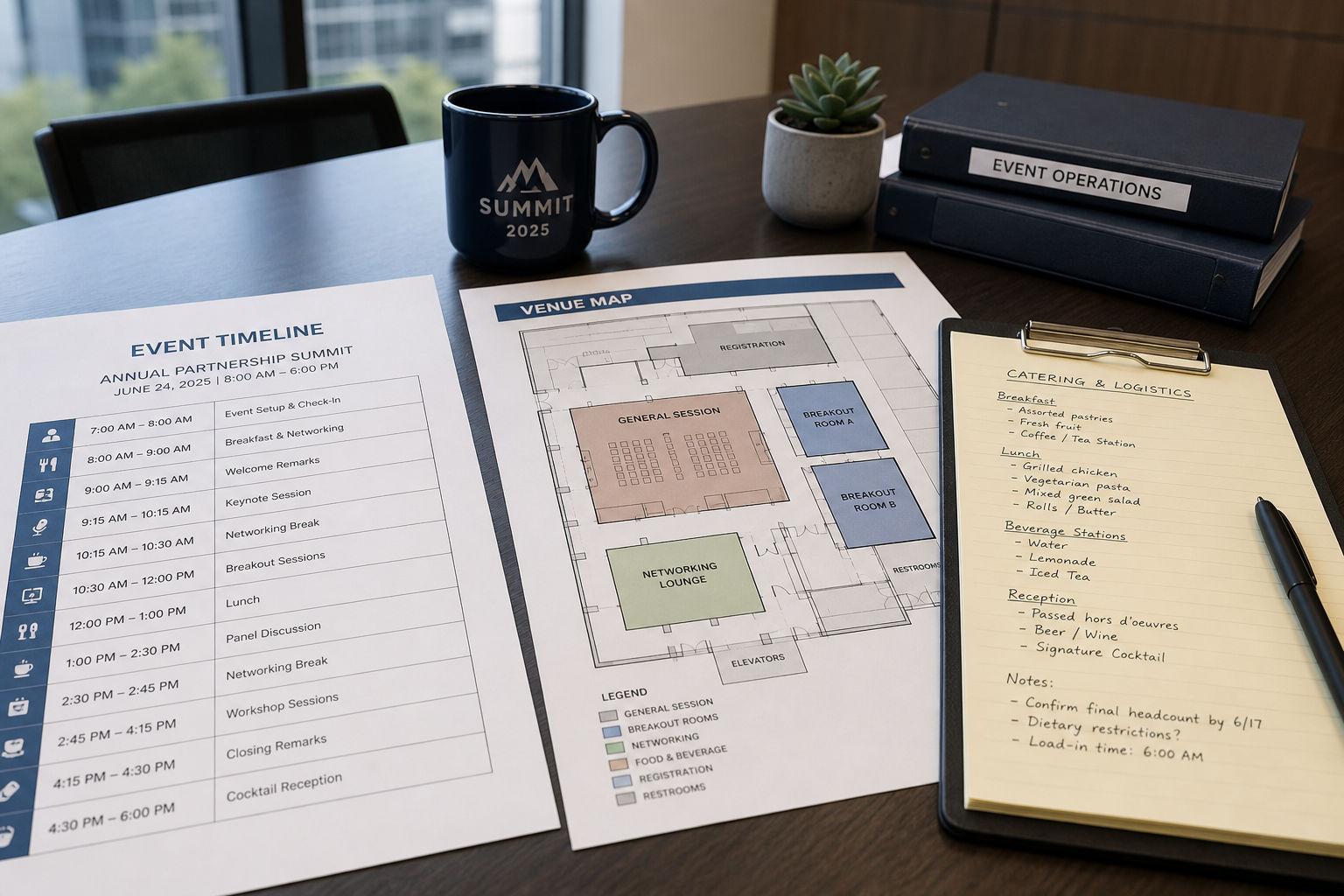
One of the most common causes of event delays is a schedule that does not reflect how people actually move through a space. A company may set a 12:00 start time, assume everyone arrives at once, and expect food service to begin immediately. In reality, parking takes time, guests arrive in waves, leadership remarks run long, and service cannot start efficiently if setup access is delayed.
For office events, client appreciation gatherings, and ribbon cuttings, the timeline should account for arrival windows, setup access, power needs, announcements, and realistic serving pace. This is especially important for businesses planning a launch or public-facing celebration. If you are organizing that kind of event, it helps to review How to Plan a Business Grand Opening Event That Feels Organized, Welcoming, and Worth Attending because guest flow and timing are often what determine whether the event feels busy in a good way or simply disorganized.
- Add buffer time before guest arrival for vendor setup and inspections
- Separate arrival, remarks, service, and networking into clear phases
- Avoid stacking every key moment into the first 30 minutes
- Confirm who owns timeline decisions on event day
Mistake 2: Treating Headcounts as Rough Estimates Instead of Operational Numbers
Unclear headcounts create avoidable stress. When a company gives a broad estimate instead of a realistic attendance range, every downstream decision becomes harder: food quantities, staffing, serving windows, parking, seating, and waste control. Overestimating can increase costs and leave the event feeling sparse. Underestimating can create shortages, longer lines, and guest frustration.
For corporate events in Westminster, Broomfield, or Lakewood, the best approach is to sort guests into categories before finalizing service. Employees, clients, vendors, VIPs, family members, and public walk-ins do not all behave the same way at an event. Some arrive early, some stay briefly, and some cluster around peak service times. A skilled event planner or mobile caterer can help you translate RSVP data into a service plan instead of treating every guest as identical.
How better headcount planning improves service
- It helps determine the right service window length
- It reduces the chance of crowding at a single pickup point
- It supports accurate staffing and replenishment planning
- It improves layout decisions for seating, standing, and line flow
Headcount planning also affects booking lead times. Larger or more complex events usually require more coordination across catering, permits, parking, and equipment. For teams trying to understand timing expectations, How Far in Advance Should You Book an Event Planner for Weddings, Company Parties, and Neighborhood Events offers useful guidance that applies well to business events too.
Mistake 3: Ignoring Site Logistics Until the Week of the Event
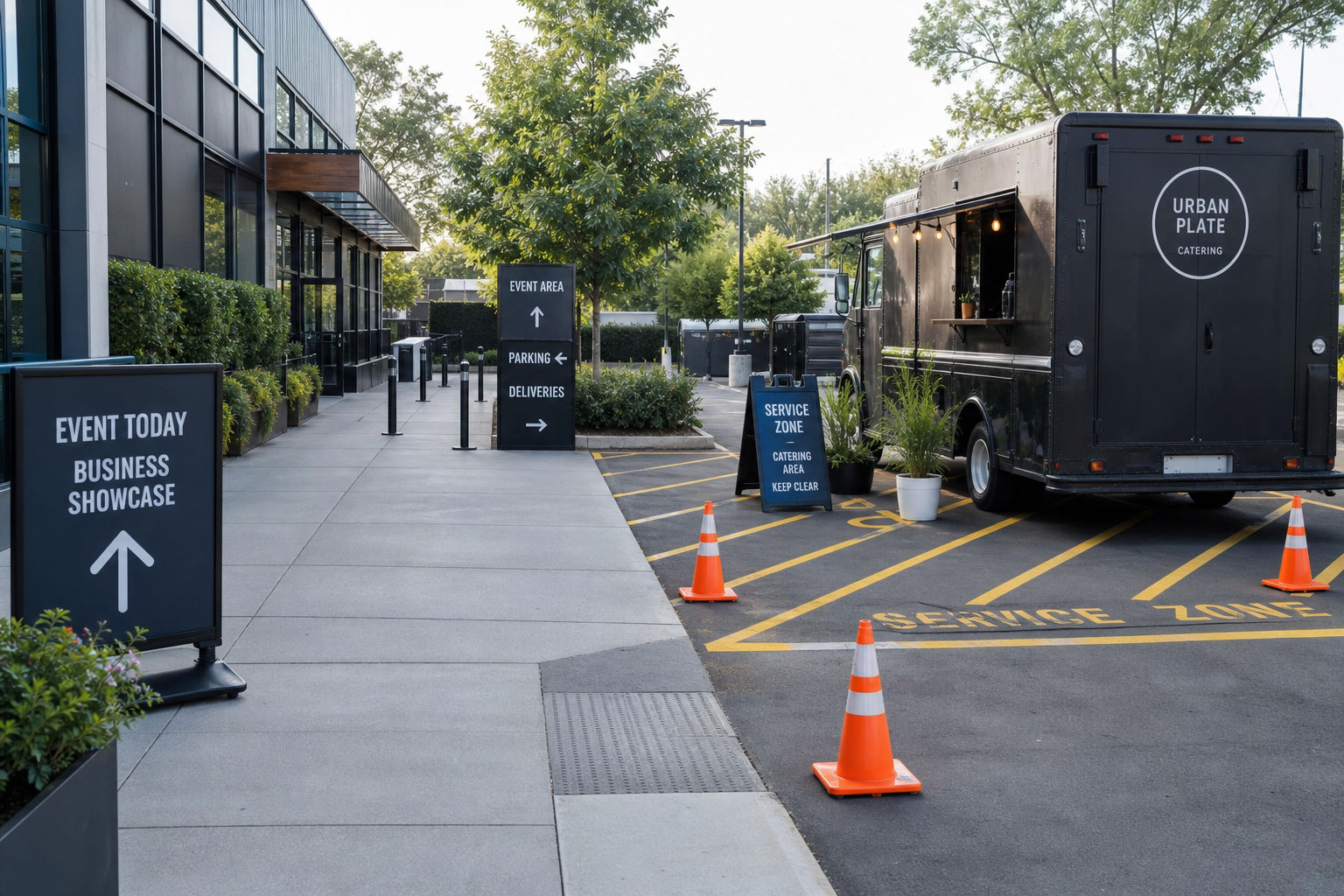
Even a great menu and a solid guest list cannot overcome a poor site plan. Mobile catering and event service depend on practical details: where vehicles enter, where guests park, how vendors unload, whether the ground is level, how power is accessed, and where lines will form. When these questions are answered late, the event often starts behind schedule and never fully recovers.
This matters for office campuses, warehouse lots, retail storefronts, and mixed-use properties across Arvada, Commerce City, and Littleton. A food truck or mobile catering setup needs room to operate safely and efficiently. Guests need a clear path from arrival to check-in to service. If parking overlaps with service areas or if pedestrian flow crosses vendor access points, delays and congestion are likely.
A site visit is often what reveals these issues before they become expensive or embarrassing. While many people associate site visits with private events, the same discipline is valuable for company functions. The process outlined in How an Event Planner Structures a Site Visit for Backyard Weddings and Private Parties With Mobile Catering is a strong example of how advance walkthroughs help identify power, placement, and access concerns early.
Mistake 4: Creating Service Windows That Are Too Short for the Guest Count
Many companies underestimate how long food and beverage service actually takes. If 150 guests are expected to eat in a 30-minute break with one service point, lines are almost guaranteed. The result is not just inconvenience. It affects networking, program timing, employee morale, and the overall impression your business leaves on guests.
The right service window depends on menu format, guest volume, event goals, and site layout. A quick employee lunch may work with staggered department releases. A client event may need a longer open service period that supports mingling. A grand opening may benefit from rolling service that accommodates arrivals over time. Coordinated event management helps match the service model to the purpose of the event rather than forcing every gathering into the same template.
- Use staggered release times for large office groups
- Add a second service point when space and volume require it
- Choose menus that support efficient preparation and pickup
- Keep beverage access separate from the main food line when possible
Mistake 5: Assuming Vendors Will Coordinate Themselves
Corporate events often involve more moving parts than expected: catering, facilities, property management, rentals, signage, entertainment, photographers, and internal stakeholders. When no one is clearly responsible for coordinating those pieces, simple questions go unanswered until event day. Who approves setup placement? Who confirms access times? Who directs guest flow if weather changes? Who updates vendors if the program shifts by 20 minutes?
This is where professional event management adds real value. Instead of leaving the office manager to troubleshoot every issue, a coordinated team can centralize communication, confirm logistics, and keep the event aligned with the original plan. Seasonal conditions in Colorado can also affect setup, timing, and guest comfort, so it is smart to plan with local realities in mind. Colorado Event Planning by Season: What Changes for Spring, Summer, Fall, and Winter Private Events is helpful for understanding how weather and seasonal conditions can change logistical needs.
How Better Planning Creates Better Corporate Events
Well-run business events do more than feed guests. They support company culture, strengthen client relationships, and help your brand appear organized and thoughtful. When scheduling is realistic, headcounts are accurate, site logistics are mapped out, and service windows are built for the actual guest experience, the entire event feels easier. Guests spend less time waiting and more time engaging with your team and your message.
For businesses across Northglenn, Centennial, and Parker, working with a partner that understands mobile catering and event logistics can reduce friction from the earliest planning stages. The Food Truck Family helps businesses think through timing, layout, service flow, and event coordination so employee events, client appreciation gatherings, and grand openings feel intentional from start to finish.
If your upcoming event needs more than just food, it may be time to build a full operational plan around guest movement, vendor coordination, and service pacing. That kind of preparation is what prevents delays, reduces crowding, and creates the kind of event experience people remember for the right reasons.
Source: event marketing guidance