How an Event Planner Structures a Site Visit for Backyard Weddings and Private Parties With Mobile Catering
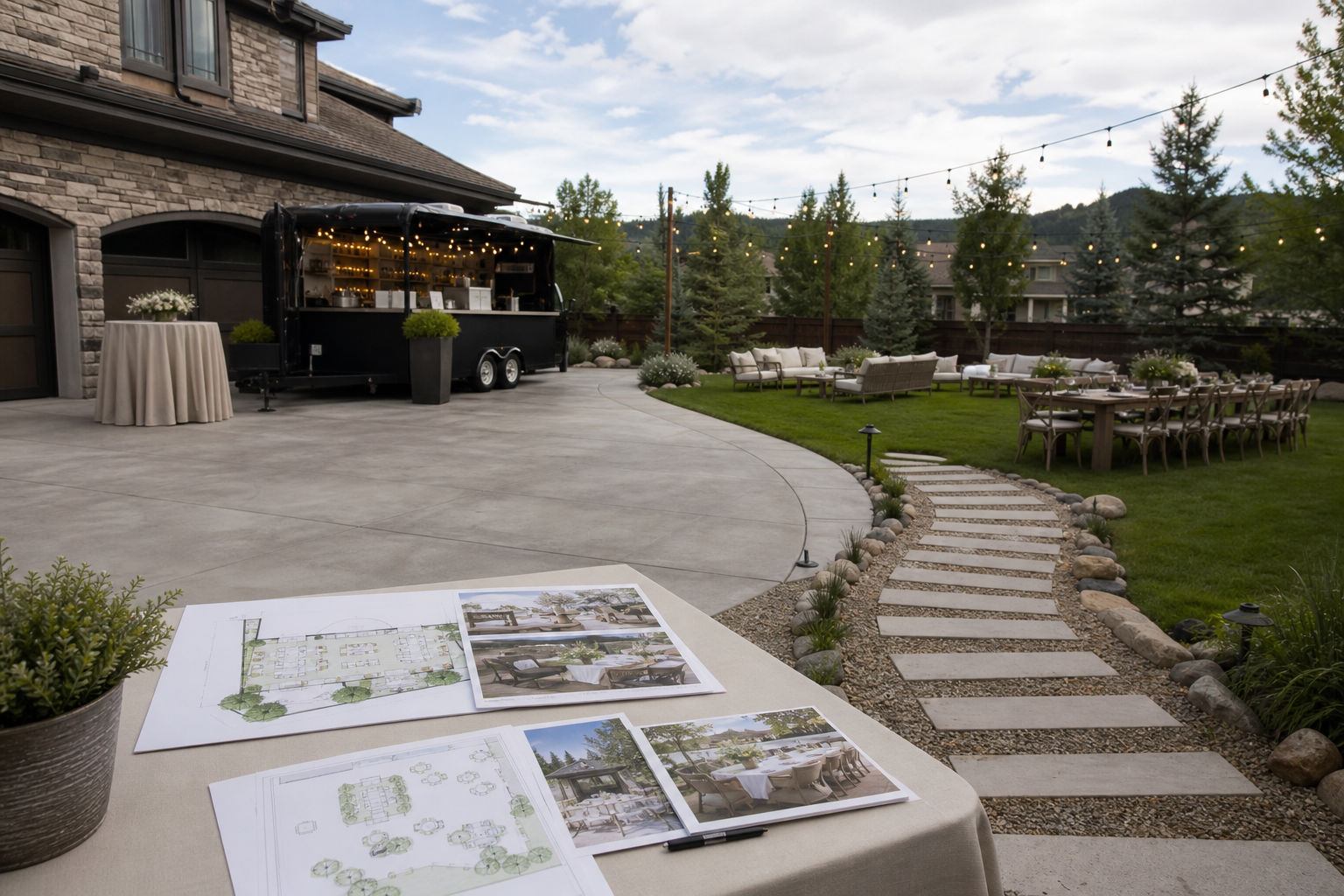
What You'll Learn
- See how truck placement affects service speed and guest flow
- Identify power, lighting, and restroom needs early
- Plan backup space for weather and timing changes
- Reduce setup delays with a practical walkthrough checklist
For backyard weddings, private parties, and home-based business events, the site visit is where a good plan becomes a workable one. When mobile catering is part of the event, a walkthrough does more than confirm where the food truck will park. It helps an event planner evaluate access, service flow, electrical needs, guest comfort, and backup options before the schedule is under pressure. For hosts in Thornton, Denver, and Westminster, that early review often prevents the day-of delays that happen when a truck cannot access the yard easily, a buffet line blocks a walkway, or lighting and power were underestimated.
At The Food Truck Family, site visits are a practical part of event planning and event management for weddings, private celebrations, and community gatherings. The goal is simple: make sure the property can support the guest experience you want. A beautiful backyard can still create operational issues if the driveway is too tight, the service area is too far from guests, or the rain backup plan was never tested. A structured walkthrough helps homeowners and local business owners make informed decisions while there is still time to adjust the layout.
Start with arrival, access, and truck placement
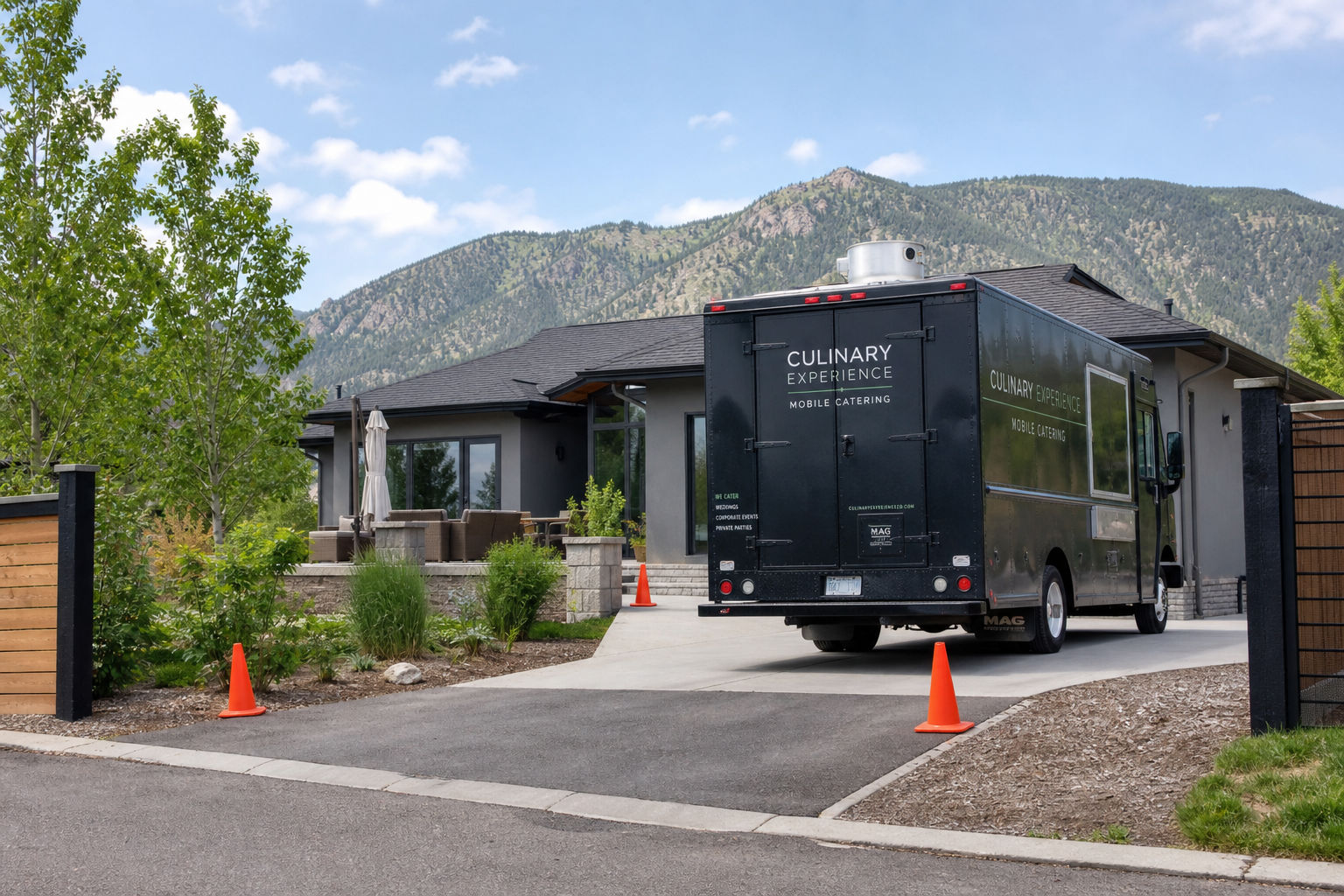
The first part of a site visit usually focuses on how the catering vehicle will arrive, turn, park, and operate safely. An event planner looks at street width, slope, tree branches, gates, fence openings, overhead lines, and whether the surface can support the truck. In neighborhoods across Aurora, Broomfield, and Arvada, these details vary more than many hosts expect. A truck may need a straighter approach than a standard passenger vehicle, and even a short incline or soft lawn edge can affect placement.
Placement is not just about finding an open spot. It should support the event timeline and guest experience. The planner will review whether the truck should be visible as part of the atmosphere or positioned more discreetly to reduce noise and congestion. They will also consider service window orientation, distance to dining areas, and whether the location interferes with ceremony views, rentals, or entertainment. Parking and circulation are closely connected, which is why hosts often benefit from reading What an Event Planner Recommends for Parking, Drop-Off, and Traffic Control at Home-Based Events when preparing for a residential event.
- Check turning radius, driveway width, grade, and overhead clearance
- Confirm a stable parking surface for the truck and service area
- Position the truck to support lines without blocking entrances
- Review noise, visibility, and distance from ceremony or seating zones
Map guest circulation before tables and decor are finalized
One of the most valuable parts of a site visit is studying how guests will move through the property. A backyard event can feel easy on paper, but once a ceremony area, cocktail tables, catering service, bar, rentals, and restrooms are added, circulation becomes critical. An event planner will walk the likely routes guests will use from arrival to check-in, seating, food service, bar service, and restrooms. The goal is to avoid bottlenecks, long lines across pathways, and awkward cross-traffic during major moments.
For weddings and larger private parties, circulation planning also affects timing. If the food truck line forms where guests need to pass for speeches, first dances, or transitions between spaces, the event can feel disorganized even when the food is excellent. During a walkthrough, the planner may recommend shifting lounge furniture, moving cocktail hour to a side yard, or creating a more direct route to service. These layout decisions are easier and less expensive to make before rentals and vendor schedules are locked in.
What an event planner looks for in guest flow
- A clear path from parking or drop-off to the main event area
- Enough space for food lines without blocking dining or social areas
- Separate movement paths for vendors, guests, and rental deliveries
- Safe evening routes between seating, restrooms, and exits
Review power access, lighting, and electrical load
Power is one of the most overlooked site visit topics for private events with mobile catering. Some trucks are self-contained, while others may need access to power depending on the service format and event design. Even when the truck does not need house power, lighting, DJ equipment, outdoor bars, heaters, and supplemental kitchen support may. An event planner should identify outlet locations, circuit capacity, extension run distances, and any areas where electrical demand could exceed what the property can comfortably provide.
Lighting deserves the same level of attention. If service continues after sunset, guests need safe pathways, visible food service areas, and enough task lighting for vendors to work efficiently. In places like Northglenn, Lakewood, and Littleton, evening backyard events often depend on a mix of café lights, landscape lighting, and temporary fixtures. For a deeper look at this topic, see How an Event Planner Organizes Power, Lighting, and Electrical Load for Evening Events With Mobile Catering. Seasonal conditions matter too, especially when daylight hours and weather patterns change, which is covered in Colorado Event Planning by Season: What Changes for Spring, Summer, Fall, and Winter Private Events.
Do not treat restrooms as a last-minute detail
Restroom planning affects comfort, cleanliness, and guest movement. During a site visit, an event planner reviews whether the home’s existing restrooms are sufficient for the guest count and event duration, how guests will access them, and whether indoor traffic will disrupt the event. For some gatherings, indoor restrooms work well. For others, especially weddings or larger parties, a planner may recommend a luxury restroom trailer or portable solution to reduce strain on the home and keep circulation outdoors.
The placement of restrooms matters almost as much as the number available. They should be easy to find without being visually intrusive, and the route should remain safe after dark. If guests need to cross service lanes, uneven ground, or narrow side yards, that issue should be corrected during planning, not discovered during the event. This is especially important for multigenerational gatherings where children, older adults, and guests in formal footwear may all be navigating the same property.
Build a contingency space for weather and schedule changes
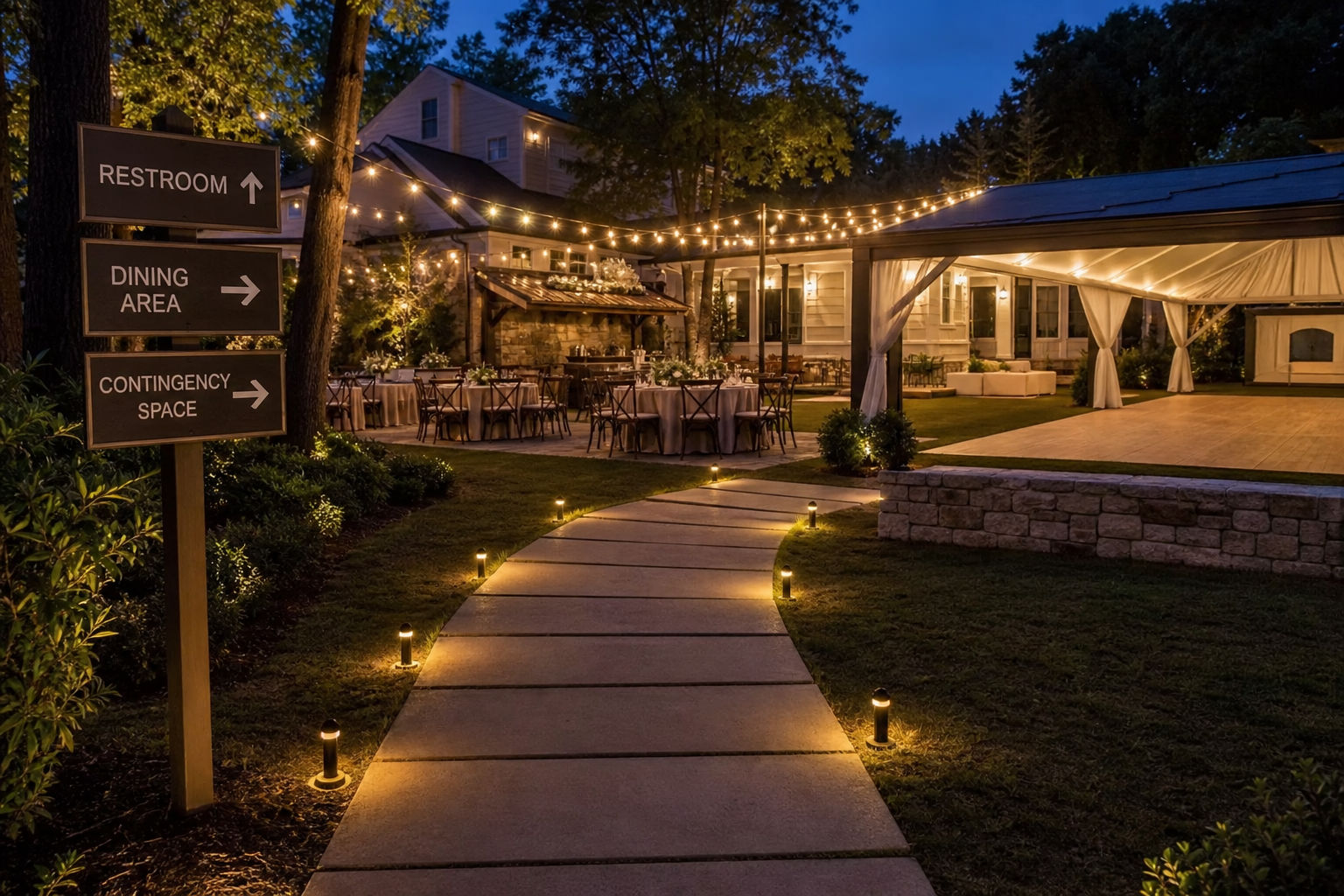
A strong site visit always includes a backup plan. In Colorado, weather can shift quickly, and even a well-planned backyard layout can need adjustment for wind, rain, heat, or an extended timeline. An event planner should identify a covered service area, tent option, garage staging space, or alternate guest zone that can be activated without disrupting the entire event. Backup space should be practical, not theoretical. It needs enough room for people to gather, vendors to work, and service to continue.
Contingency planning also helps with non-weather issues. A ceremony running late, a delivery arriving during cocktail hour, or a neighboring street becoming crowded can all affect the original layout. During the walkthrough, the planner can create secondary options for staging rentals, storing beverages, or redirecting lines. If the event is part of a larger wedding weekend, smart coordination between spaces and vendors becomes even more important; hosts planning multiple gatherings may also find value in How to Plan a Wedding Welcome Party or Day-After Brunch Without Creating Vendor and Timeline Conflicts.
What hosts should have ready for the site visit
To make the walkthrough productive, hosts should share the guest count, event goals, target timeline, and any early ideas about ceremony placement, dining, music, and rentals. Photos help, but walking the property with a planner is far more useful. If possible, note where neighbors typically park, which gates stay locked, where outdoor lighting already exists, and whether any HOA or municipal rules affect event setup. For clients in Commerce City, Englewood, Castle Rock, and nearby communities, these practical details often shape the final layout more than decorative preferences do.
It is also wise to schedule the site visit early enough that changes can still be made without stress. That may mean reviewing the property before finalizing rentals, invitations, or a service timeline. Hosts who are unsure when to begin can refer to How Far in Advance Should You Book an Event Planner for Weddings, Company Parties, and Neighborhood Events. The earlier the walkthrough happens, the easier it is to create an event plan that is both polished and realistic.
A site visit protects the guest experience
For backyard weddings and private parties with mobile catering, a site visit is not an extra step. It is one of the most important planning tools available. By reviewing truck placement, guest circulation, power access, lighting, restrooms, and contingency space in advance, an event planner can turn a private property into an event setting that works smoothly from arrival through cleanup. For homeowners and business owners in Thornton, Denver, Aurora, and surrounding areas, that preparation is what helps the event feel welcoming, efficient, and professionally organized.
The Food Truck Family supports clients with mobile catering, event planning, party planning, wedding service, and food and beverage coordination designed for real properties and real event conditions. A thoughtful walkthrough helps every later decision make more sense, and it gives hosts confidence that the layout will support the experience they want guests to remember.
Source: outdoor lighting guidance