How to Plan a Wedding Welcome Party or Day-After Brunch Without Creating Vendor and Timeline Conflicts
What You'll Learn
- Build a weekend timeline that supports the main wedding day
- Avoid staffing, setup, and vendor overlap before it starts
- Choose locations that simplify guest flow and food service
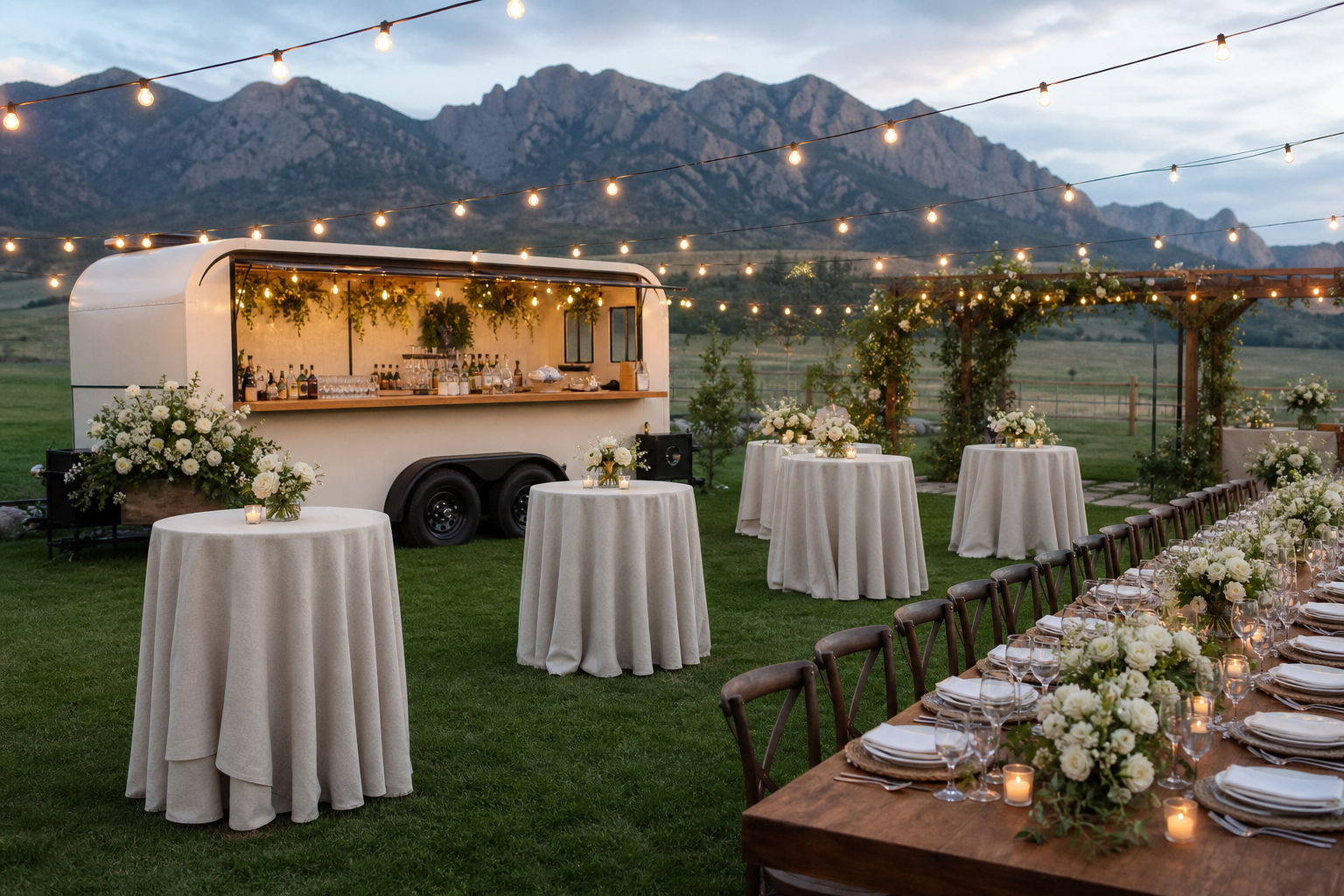
- Plan mobile catering logistics with power, access, and timing in mind
A wedding welcome party or day-after brunch can make a wedding weekend feel complete, but only when those extra events are planned to support the main celebration rather than compete with it. Couples in Thornton, Denver, and Aurora often picture a relaxed Friday gathering or an easy Sunday send-off, yet the real challenge is making sure those plans do not create hidden conflicts with rentals, staffing, transportation, venue access, or food service timing. That is where an experienced event planner and mobile caterer adds real value.
At The Food Truck Family, secondary wedding events are approached as part of one connected guest experience. Instead of treating each event as a separate booking, the planning process looks at the full weekend: arrival times, rehearsal schedules, ceremony setup, photo blocks, bar service, catering windows, cleanup responsibilities, and guest movement between locations. The result is a welcome party or brunch that feels effortless for the couple because the operational details have already been coordinated behind the scenes.
Start with the full wedding weekend timeline
The most common mistake with secondary wedding events is planning them in isolation. A Friday welcome party may sound simple until it overlaps with rehearsal dinner arrivals, florist access, rental drop-off, or the couple's final venue walkthrough. A Sunday brunch can become stressful if it begins before hotel checkout, conflicts with vendor pickup times, or requires family members who were working late the night before to be ready too early.
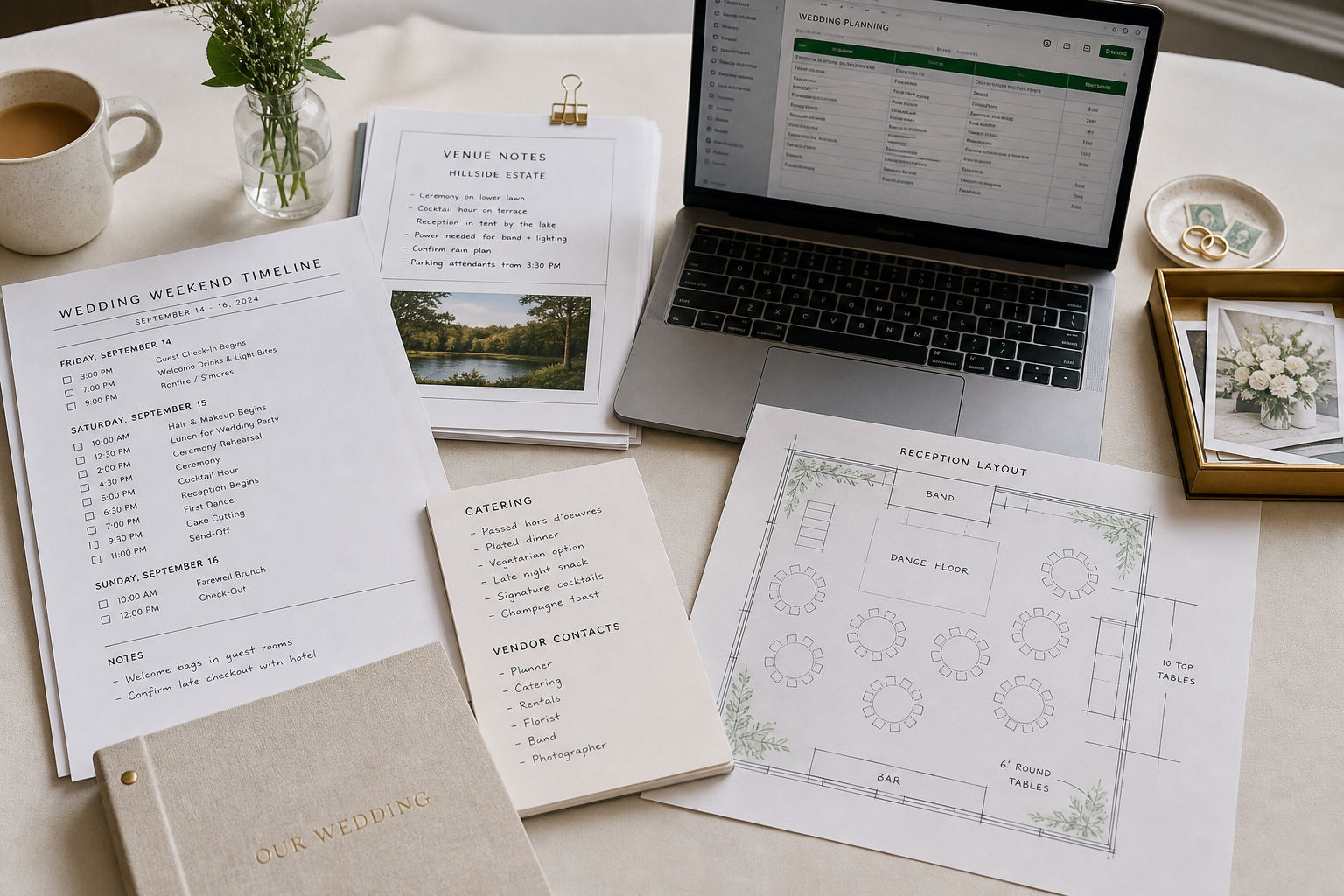
A planner creates one master timeline that maps every meaningful touchpoint across the weekend. That includes guest arrivals, rehearsal timing, setup windows, catering arrival, service start, breakdown, and transportation buffers. If your wedding day already has several moving parts, it helps to review timing the same way you would for a split schedule. Our guidance in Planning a Split-Schedule Event: How to Coordinate Ceremony, Photos, and Food Service Without Dead Time reflects the same principle: every event works better when transitions are intentional.
- Set hard start and end times for each event, not just rough estimates
- Add travel buffers between hotels, venues, and private properties
- Protect rest time for the couple, wedding party, and immediate family
- Confirm when vendors can access each location for setup and breakdown
Prevent vendor overlap before it affects the wedding day
Secondary events often create conflicts because the same people, equipment, or spaces are expected to serve multiple purposes over a short period. For example, the same rental company may be handling brunch tables and wedding reception linens. A photographer may be booked for the welcome party but also need an early start the next morning. A mobile caterer may need a service window that does not interfere with another vendor loading in through the same access point.
Good planning means identifying those overlaps early and deciding what should be shared, what should be separate, and what should be simplified. Sometimes that means using different staffing teams for different events. Sometimes it means changing the menu format so setup is faster and cleanup is lighter. And sometimes it means moving an event to a hotel patio, brewery, or private residence in Westminster or Broomfield so the primary venue can stay focused on the wedding itself.
Couples also benefit from booking support early enough to coordinate these moving parts with intention. If you are still deciding when to bring in planning help, see How Far in Advance Should You Book an Event Planner for Weddings, Company Parties, and Neighborhood Events. The earlier the planning team is involved, the easier it is to reserve realistic service windows and avoid last-minute compromises.
Choose locations that make hospitality easier
The right location for a wedding welcome party or brunch is not just about aesthetics. It needs to work operationally. A rooftop with beautiful views may be less practical than a hotel courtyard with nearby restrooms, accessible parking, easy guest entry, and clear vendor load-in. A backyard brunch in Arvada or Lakewood can be charming, but only if there is enough room for food service, seating, waste removal, and guest circulation.
When evaluating locations, planners look beyond ambiance and ask practical questions. Is there a dedicated place for a food truck or mobile kitchen to park? Are there restrictions on generator use, service hours, or open flame? Can guests find the site easily after traveling in from Denver International Airport or nearby hotels? Is there enough lighting for an evening welcome event? Those details matter just as much as the menu.
For a deeper look at venue evaluation, read What an Event Planner Looks for Before Approving a Venue for a Mobile Catered Event. The same standards apply to wedding weekend events: access, utilities, guest comfort, and realistic service flow all need to be confirmed before a location is approved.
Match staffing and setup to the type of event
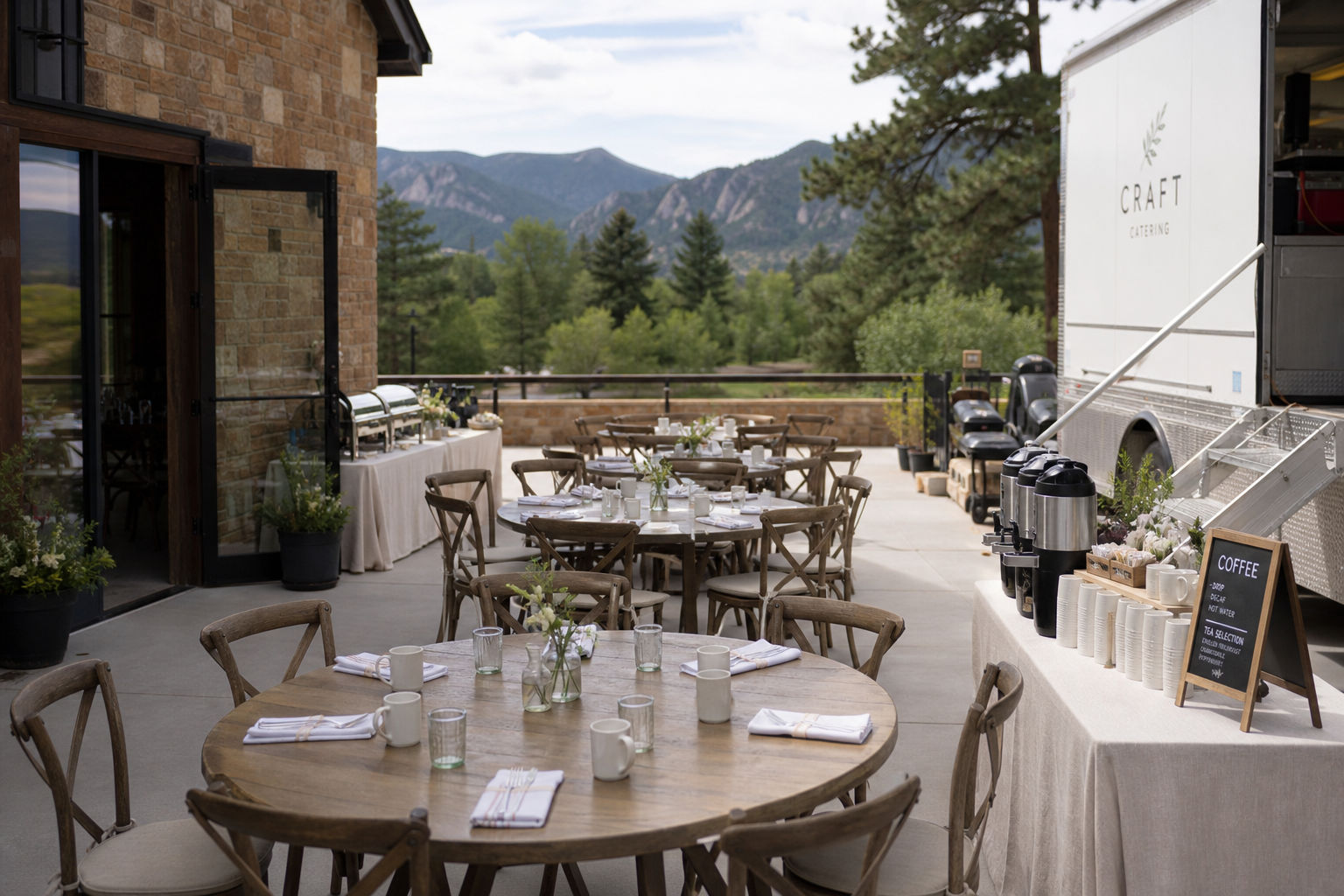
Not every secondary wedding event needs the same level of staffing. A casual welcome party with mobile catering may need a streamlined service team, trash management, beverage support, and a point person for timing. A plated brunch may require more coordinated setup, replenishment, bussing, and cleanup. The key is matching labor to the guest count, menu style, and venue conditions rather than assuming the event will run itself because it feels informal.
This is especially important when couples are hosting events across multiple cities such as Littleton, Centennial, and Parker. Travel time for crews, equipment staging, and local venue rules can affect when staff must arrive and how long they need to remain on site. A planner builds those realities into the schedule so no one is scrambling while guests are arriving.
- Welcome parties often benefit from passed bites or quick-serve stations
- Day-after brunches work best with easy guest flow and simple beverage service
- Separate setup and breakdown assignments prevent family members from getting pulled into work
- A single event lead should manage vendor communication on site
Plan mobile catering logistics early
Mobile catering gives couples flexibility, personality, and efficient food service, but it still requires careful coordination. Parking surfaces, turning radius, curb access, service direction, weather backup, waste handling, and power availability all affect how smoothly a welcome party or brunch will run. These factors become even more important when events are hosted at private homes, ranch properties, or nontraditional venues in Castle Rock, Brighton, or Commerce City.
Power is another detail that is easy to underestimate, especially for evening events with lighting, entertainment, and kitchen equipment sharing the same site. If your wedding weekend includes outdoor service after dark, our article How an Event Planner Organizes Power, Lighting, and Electrical Load for Evening Events With Mobile Catering explains why electrical planning should be done before event day, not during setup.
Menu planning should also support the weekend schedule. Heavier, more labor-intensive service may not make sense the night before a formal wedding. Likewise, a day-after brunch should feel restorative and low-pressure, not like a second reception. A mobile caterer who also understands event management can recommend formats that fit the mood while keeping service efficient.
Keep the guest experience simple and the operations invisible
The best wedding weekend events feel welcoming, not overcomplicated. Guests should know where to go, when food will be served, and whether the event is drop-in or time-specific. Signage, parking guidance, weather communication, and transportation notes all help reduce confusion. From the planning side, that clarity also keeps vendors aligned and prevents avoidable delays.
For couples, the real benefit of working with The Food Truck Family is that catering and coordination are considered together. Instead of hiring separate teams that may not share the same operational priorities, you get support that looks at service timing, setup needs, venue practicality, and guest flow as one connected plan. That is how a welcome party stays relaxed and a day-after brunch stays easy, even during a busy wedding weekend.
If you are planning a multi-event wedding weekend in Thornton, Denver, Aurora, or surrounding communities, a coordinated approach can save time, reduce stress, and protect the experience you want guests to remember. Secondary events should extend the celebration, not complicate it. With thoughtful planning, realistic timelines, and well-managed mobile catering logistics, they can do exactly that.
Source: wedding weekend events guide