Planning a Split-Schedule Event: How to Coordinate Ceremony, Photos, and Food Service Without Dead Time
What You'll Learn
- Build a timeline that keeps guests engaged between event phases
- Time catering setup and service to match photos and transitions
- Prevent long waits with buffer time and clear guest flow
- Coordinate vendors so food quality and pacing stay consistent
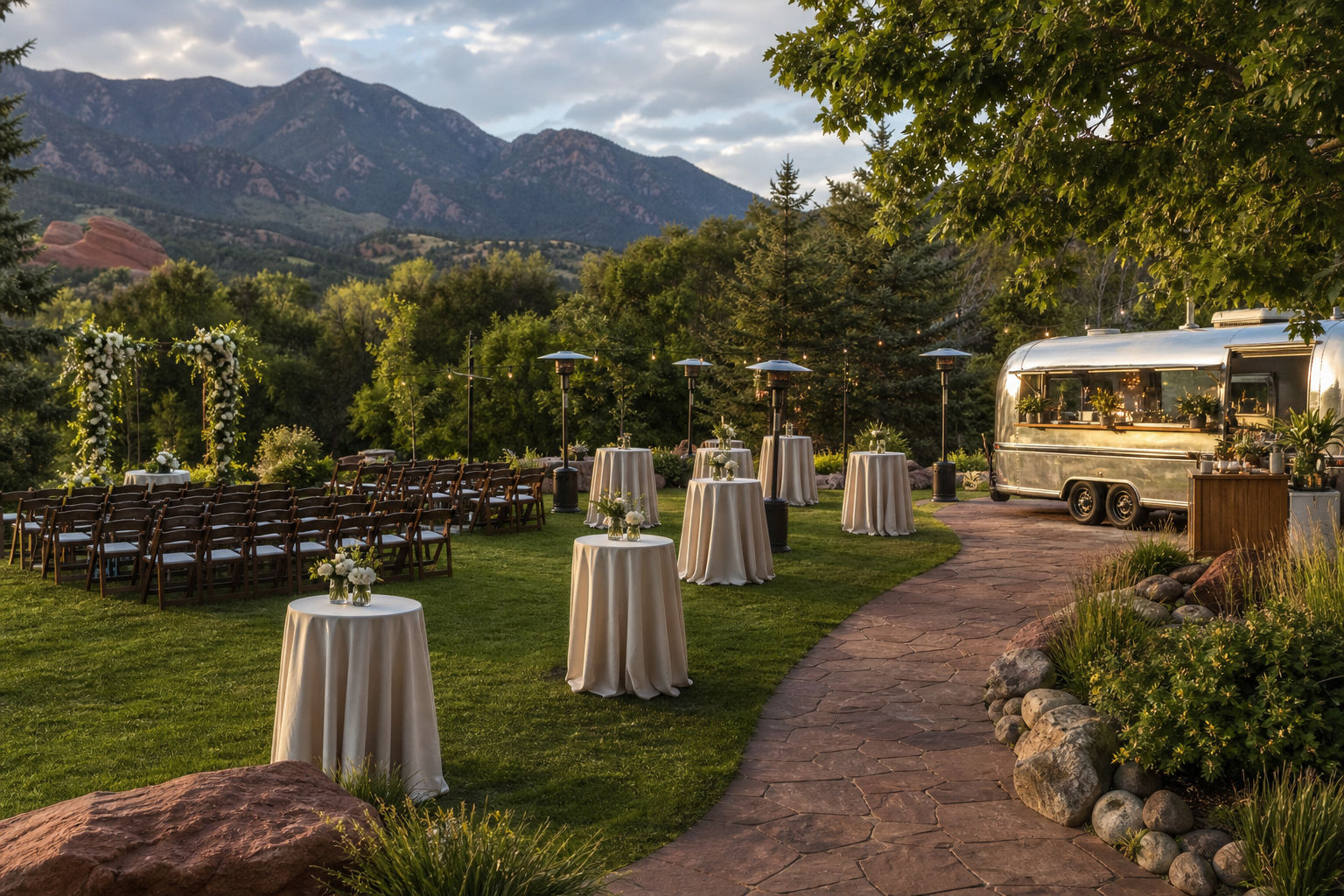
Split-schedule events can feel elegant and intentional, but only when the timeline is built around movement, waiting points, and food service. Weddings, corporate celebrations, backyard receptions, and private parties often separate the ceremony, family photos, cocktail hour, and meal into distinct phases. Without careful planning, those transitions create the moments guests remember for the wrong reasons: long lines, empty hands, cold food, and awkward downtime. For hosts in Thornton, Denver, and Westminster, a strong event plan turns those separate phases into one seamless experience.
At The Food Truck Family, split-schedule planning starts with one question: what are guests doing while the couple, host, or VIPs are occupied? That answer shapes everything from service style to truck arrival time, staffing, and menu pacing. A mobile caterer has to think beyond the meal itself. The goal is to keep every phase moving naturally so the event feels organized rather than stop-and-start.
Start With the Guest Experience, Not the Meal Time
Many hosts begin with a target dinner hour and work backward. That helps, but it is not enough for a split schedule. A better approach is to map the full guest journey from arrival to departure. When do guests park? Where do they gather before the ceremony? Will they remain in one area for cocktails while photos happen elsewhere? Is there shade, seating, water, or light music during the transition? These details matter because food service should support the flow, not try to rescue a gap that could have been planned out earlier.
For example, if a ceremony in Arvada starts at 4:00 p.m. and family photos run until 5:15 p.m., the planner should not leave guests standing without a purpose for 75 minutes. That is the ideal window for a structured cocktail hour, passed appetizers, beverage service, lawn games, or a clear invitation to explore a designated social area. If the event is more casual, a food truck can open with light bites first and transition into full meal service later. This is one reason hosts often benefit from reviewing venue logistics early, much like the process discussed in What an Event Planner Looks for Before Approving a Venue for a Mobile Catered Event.
- Map guest arrival, ceremony, photos, cocktails, meal, and departure
- Identify every transition where guests could be left waiting
- Assign an activity, refreshment, or movement plan to each gap
- Match catering service style to the length and tone of each phase
Build the Timeline Around Real Transition Times
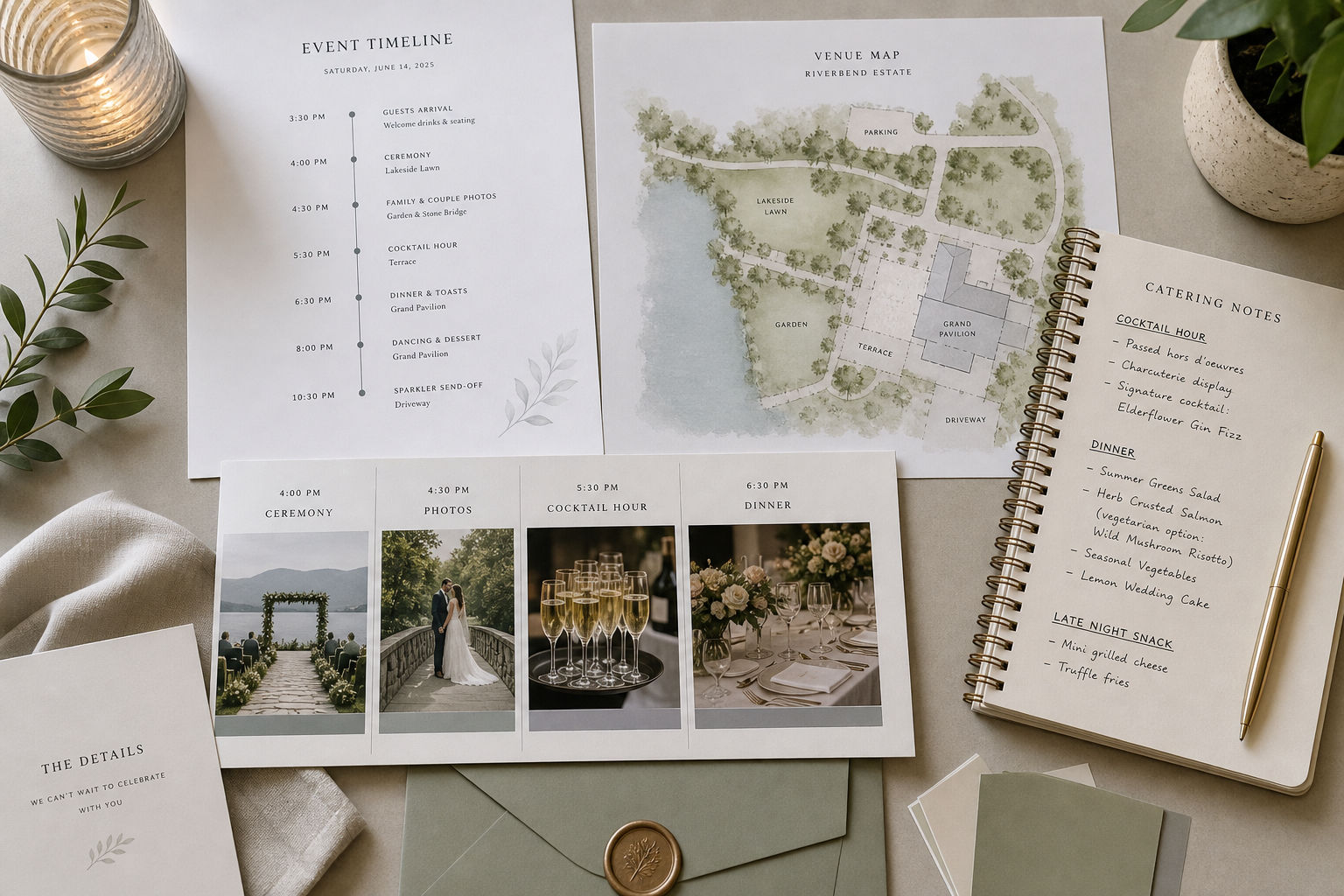
One of the biggest planning mistakes is underestimating how long transitions actually take. A ceremony may end at 4:30, but guests are rarely ready for the next phase at 4:31. They need time to congratulate the couple, move to another area, visit restrooms, find drinks, or gather personal items. Vendors also need time to reset spaces, refresh stations, and coordinate cues. In Aurora or Broomfield venues with separate ceremony and reception areas, even a short walk can add ten minutes to the schedule once a full guest count is moving together.
An experienced event planner creates intentional buffer time between phases. Buffers are not wasted minutes. They protect the event from delays caused by traffic, weather, family photo overruns, or a late ceremony start. They also help caterers serve food at the right quality. A mobile kitchen can hold, fire, and plate food strategically, but it still needs a realistic service window. If the planner says dinner starts at 5:30, but the photographer does not release the wedding party until 5:55, the catering plan needs to account for that.
Choose the Right Food Service Style for the Gap
Not every split-schedule event needs the same service model. The best format depends on how long guests will wait, where they will be, and how formal the event feels. A short 20-minute transition may only need beverages and a simple snack. A longer photo block may call for a full cocktail hour followed by staggered meal service. In some Castle Rock and Littleton events, hosts prefer a food truck to open after photos so the couple can make a coordinated entrance into dinner. In other cases, opening a mobile service earlier prevents a rush and spreads the line more evenly.
This is where an experienced mobile caterer adds value beyond food. The service plan can include appetizer timing, truck open time, guest release strategy, and backup options if the schedule shifts. Hosts comparing formats may also find it useful to read How to Decide if Food Truck Catering or Drop-Off Catering Fits Your Event Best and How to Plan a Smoother Local Event With Food Truck Catering when deciding how interactive or flexible they want the meal experience to be.
Coordinate Photos and Catering So Neither Disrupts the Other
Photos are often the reason a split schedule exists, especially at weddings. The challenge is that photography and catering operate on different kinds of timing. Photographers need people assembled and focused. Caterers need clear service windows and predictable guest volume. If those plans are not aligned, the wedding party misses the first course, the line builds too early, or guests wander into photo areas because they are not sure where to go.
The solution is to create a shared timeline with key cues: ceremony end, family photo start, cocktail service start, truck open, wedding party release, and formal announcements if any. That schedule should be distributed to the photographer, caterer, venue contact, DJ or emcee, and planner. For backyard weddings in Northglenn or Thornton, this level of coordination is especially important because the space may need to serve multiple functions in quick succession. Hosts planning that type of layout can also review Event Planning Checklist for Backyard Weddings in Thornton and North Denver for more site-specific considerations.
Use Clear Guest Direction to Eliminate Awkward Downtime
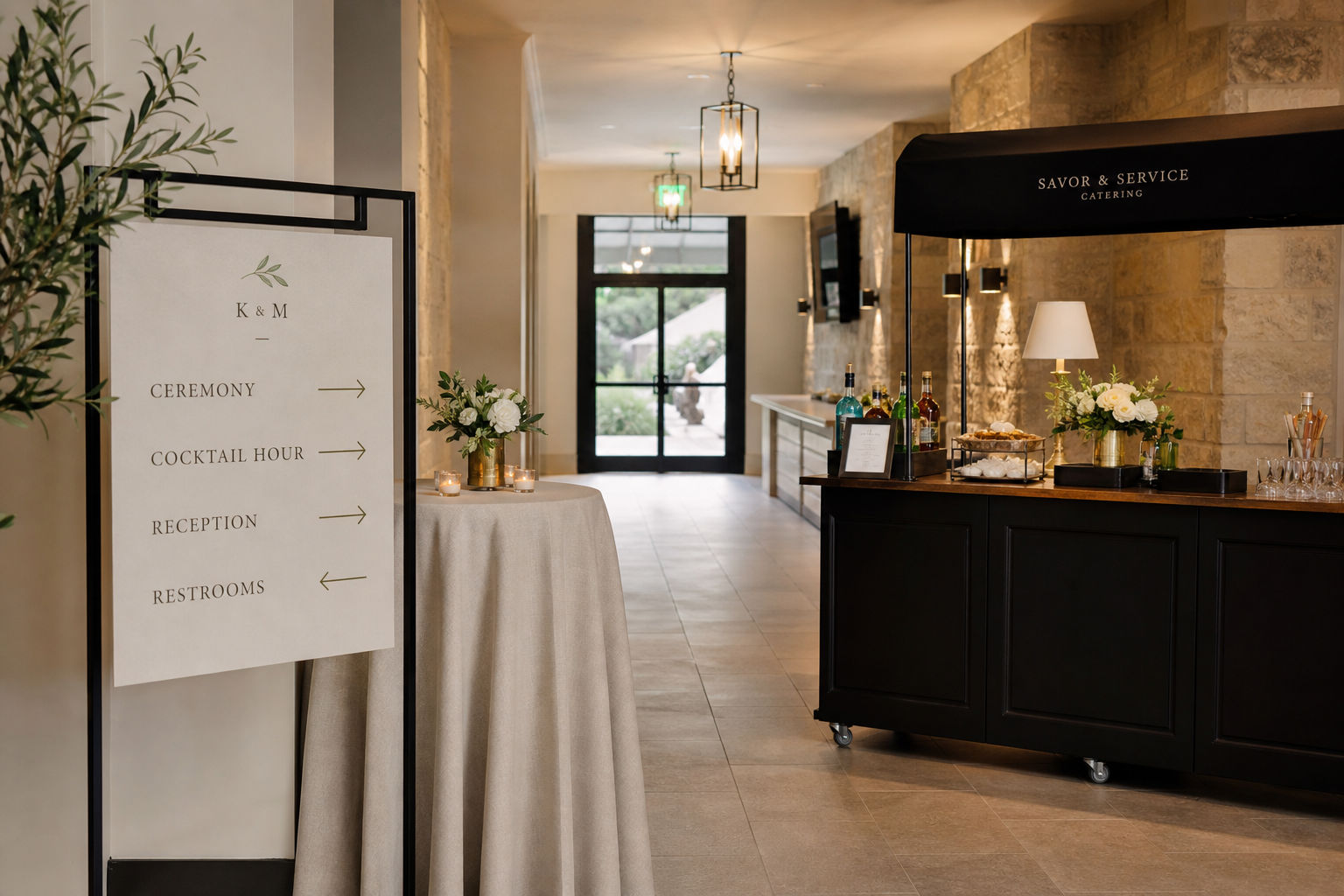
Even a well-built timeline can feel disorganized if guests do not know what happens next. Split-schedule events need visible, simple direction. That can come from signage, an emcee, a printed program, or staff members guiding movement from one phase to another. Guests should never have to guess whether they are supposed to stay seated, head to cocktails, line up for food, or wait for the couple to arrive.
This is particularly important for larger private celebrations and community events in Commerce City, Lakewood, or Centennial where guests may arrive from different groups and not all know the host well. A short announcement such as, "Please enjoy drinks and appetizers on the patio while family photos wrap up. Dinner service will begin at 6:00 near the truck," can remove confusion immediately. For more complex multi-party events, the same principle applies in volunteer and sponsor settings, as covered in School and Nonprofit Event Planning: How to Coordinate Sponsors, Volunteers, and Food Service Without Confusion.
- Tell guests where to go immediately after the ceremony
- Offer drinks or light food during any photo window over 20 minutes
- Announce exactly when and where meal service begins
- Release tables or groups in an orderly way if needed
- Keep one point person available to answer guest questions
Plan for Flexibility Without Losing Control
No event runs exactly to the minute. The best split-schedule plan is one that can flex without creating a chain reaction. That means choosing a caterer and planner who can communicate quickly, adjust service pacing, and protect food quality if photos run long or weather changes the order of events. Mobile catering is especially effective here because setup, menu timing, and service flow can be adapted more easily than many fixed meal formats when the team has the right information in advance.
For hosts in Denver, Parker, and Westminster, the smartest planning investment is not simply more items on the schedule. It is a schedule that reflects how people actually move, wait, eat, and celebrate. When the ceremony, photos, and food service are coordinated as one system, the event feels polished from start to finish. The Food Truck Family helps clients build that system with practical timing, mobile catering experience, and event planning support designed to keep guests comfortable and the day on track.
Source: wedding reception timeline guidance