Colorado Event Planning by Season: What Changes for Spring, Summer, Fall, and Winter Private Events
What You'll Learn
- Match event timing to daylight, temperature, and wind patterns
- Reduce guest discomfort with better shade, heat, and layout planning
- Choose menus and service flow that fit each season
- Avoid common Colorado weather surprises with backup plans
- Plan smoother home and business events across the Denver metro
Colorado events are rarely one-size-fits-all. A backyard graduation in Thornton, a corporate gathering in Denver, and a holiday party in Aurora may all need catering and event support, but the planning decisions behind them change dramatically by season. In the Front Range, guest comfort depends on more than a good menu. Wind, sun angle, sunset time, afternoon storms, early darkness, and temperature swings all affect how food should be served, when guests should arrive, and what backup measures should already be in place.
For homeowners and business owners, the goal is simple: create an event that feels easy, organized, and comfortable from start to finish. That usually means making seasonal choices early, not reacting to surprises the week of the event. An experienced mobile caterer and event planner can help align the food, layout, timeline, and service style so the entire event works together. If you are still deciding when to reserve vendors, this guide on how far in advance to book an event planner is a useful place to start.
Spring events: plan for beauty, wind, and backup coverage
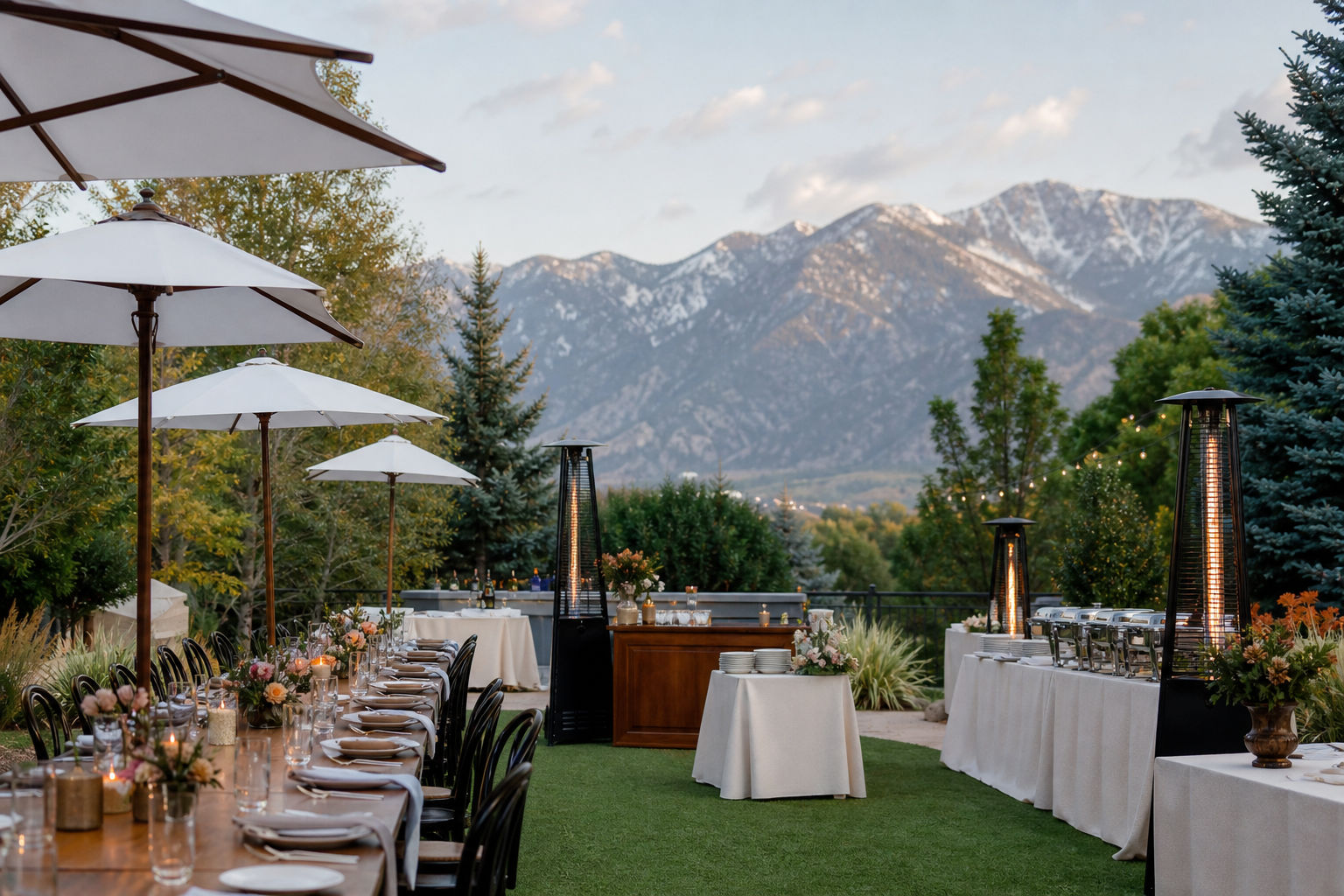
Spring can be one of the most attractive times to host a private event in places like Westminster, Broomfield, or Arvada, but it is also one of the least predictable. Temperatures can feel mild at noon and drop quickly by late afternoon. Wind can disrupt table settings, buffet lines, and lightweight décor. Rain may be brief, but even a short shower can affect guest flow and food service if there is no covered area.
In spring, the smartest planning decisions usually involve protection and pacing. Covered patios, tents, or indoor-adjacent layouts matter more than many hosts expect. Food service often works best when it starts earlier rather than later, especially for outdoor events where the temperature may cool quickly after sunset. Menus should feel seasonal without relying on foods that suffer in wind or fluctuating temperatures. Warm appetizers, composed entrées, and beverages that can be served efficiently help keep service steady even if the weather shifts.
- Choose a layout with a clear indoor or covered fallback area
- Use weighted linens and protected buffet or service stations
- Start key food service before the late-day temperature drop
- Plan for muddy lawns, wet walkways, and wind exposure
Summer events: shade, hydration, and storm timing matter most
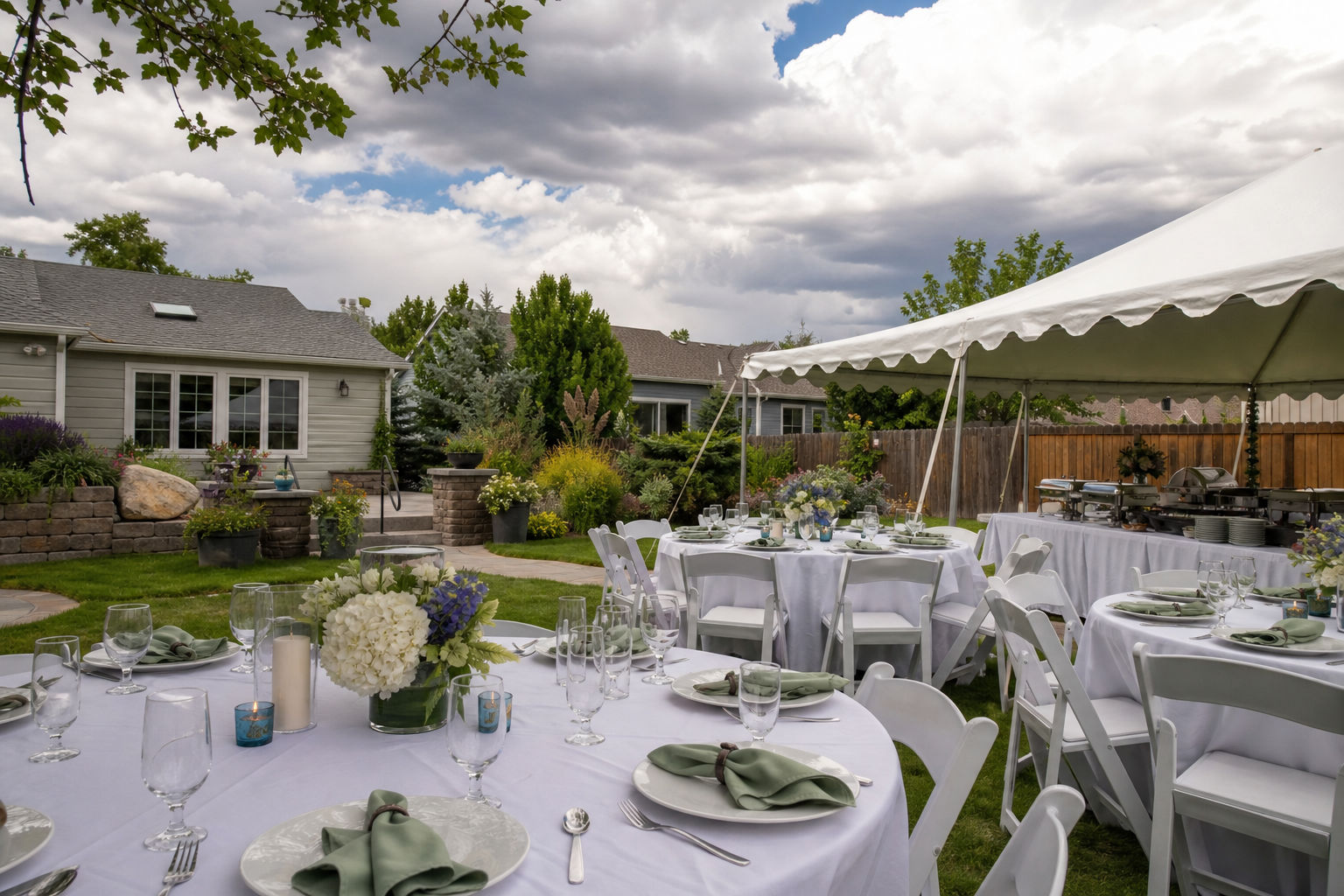
Summer is peak event season across the Denver metro area, especially for backyard parties, neighborhood gatherings, weddings, and company celebrations. In communities such as Lakewood, Littleton, and Centennial, the appeal is obvious: long daylight hours, green landscapes, and flexible outdoor options. But summer planning should never assume that warm weather automatically means comfortable weather. High sun exposure, hot surfaces, and late-afternoon thunderstorms can create avoidable problems if the event is built around the wrong timeline.
For summer private events, guest comfort starts with shade. Seating areas, beverage stations, and lines for food service should not sit in direct sun for long stretches. Catered menus also need to respect heat. Lighter dishes, faster replenishment, and well-managed cold holding become more important. Hosts often benefit from an earlier start time for family events or a later start time for evening receptions, depending on the venue and age of the guest list. The right choice depends on how much direct sun the site gets and when the property begins to cool down.
Thunderstorm planning is another major summer issue in Colorado. A quick storm can interrupt a ceremony, delay food service, or push guests into the wrong area if traffic flow has not been thought through. For home-based events, circulation and parking deserve just as much attention as the menu. This post on parking, drop-off, and traffic control offers practical guidance for keeping guests moving safely and smoothly when outdoor conditions change fast.
Fall events: use the season, but watch daylight and evening temperatures
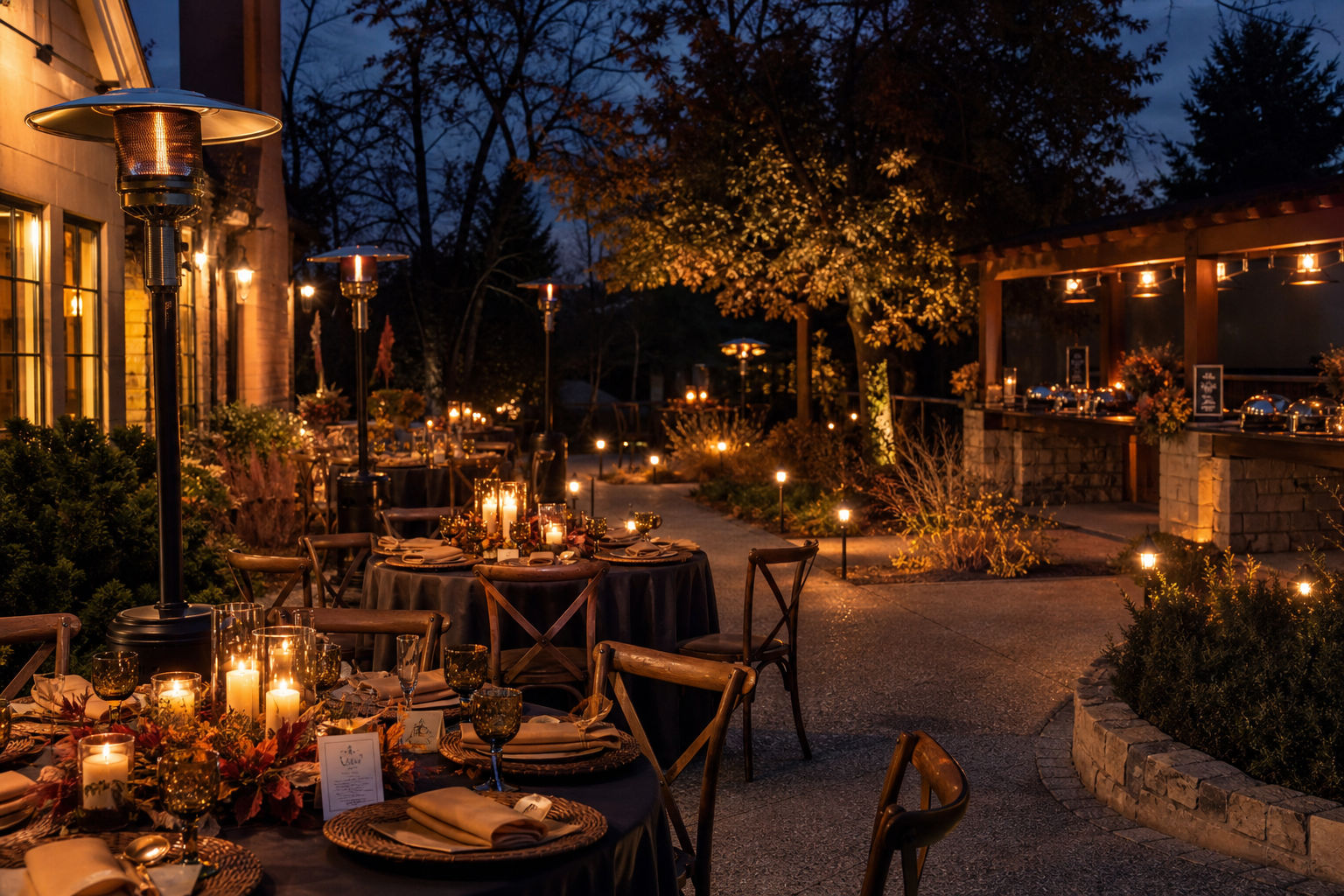
Fall is often ideal for private events in Parker, Lone Tree, and Castle Rock because the weather can be crisp, scenic, and more comfortable than midsummer. It is also a season that rewards careful timing. The biggest planning mistake in fall is underestimating how quickly light and temperature change. An event that feels perfect at 4:30 p.m. can feel noticeably colder and darker by 6:30 p.m., which affects everything from guest attire to buffet comfort to the need for pathway lighting.
Menu pacing becomes especially important in fall. Guests often arrive ready for heartier food and warm beverages, but that does not mean service should feel heavy or slow. A well-planned mobile catering setup can offer seasonal flavors while keeping lines short and food at the proper temperature. If the event extends into the evening, lighting and power should be planned as part of the event design, not added at the last minute. This article on power, lighting, and electrical load for evening events is especially relevant for outdoor receptions and business functions.
Fall also works well for split-format events, such as a ceremony followed by photos and a later meal, or a business open house that transitions into a networking reception. The key is preventing dead time while the temperature drops and daylight fades. This guide to coordinating split-schedule events explains how to keep guests engaged while service and timing stay on track.
Winter events: prioritize access, warmth, and efficient service
Winter private events in Northglenn, Commerce City, or Englewood can be memorable and highly polished, but they require the most intentional comfort planning. Even when an event is mostly indoors, winter affects arrival, staging, and service. Guests may be carrying coats, navigating snow or ice, and arriving in waves because of road conditions. Entry points, flooring protection, beverage timing, and where people naturally gather all become part of the event plan.
Heating strategy is one of the biggest winter differences. If any part of the event uses a patio, tented area, or outdoor queue, supplemental heat should be positioned around how guests actually move, not just around where heat looks balanced on paper. Menus generally benefit from warmth, quick service, and easy handling. This is not just about comfort; it also helps maintain flow when guests prefer shorter waits and more direct transitions between arrival, food, and seating.
- Treat entrances, walkways, and parking access as event priorities
- Use warming-focused menus and efficient serving formats
- Plan coat management and indoor guest flow in advance
- Add lighting early because winter darkness arrives fast
What stays true in every season
Although spring, summer, fall, and winter all create different planning needs, a few principles stay consistent. First, the event timeline should support guest comfort, not fight the weather. Second, the menu should match the pace and conditions of the event, including how long food will be held, how quickly guests can be served, and whether they will be standing, seated, or moving between spaces. Third, site logistics should be treated as part of hospitality. Parking, lighting, power, weather protection, and transitions shape the guest experience just as much as the food itself.
That is why many successful private events benefit from one team that can think across catering, layout, timeline, and operations. For example, a wedding weekend may need coordination beyond the main event, especially if you are also hosting a welcome party or brunch. This article on wedding welcome parties and day-after brunches can help hosts avoid overlap and timing conflicts. For business owners planning a launch or public-facing celebration, this grand opening planning guide covers many of the same organizational principles.
Plan with the season instead of against it
The best Colorado events do not ignore the season; they use it well. In the Denver metro area, that means choosing service style, timing, layout, and guest amenities based on real local conditions. Whether you are hosting an intimate backyard celebration in Thornton, a neighborhood party in Westminster, or a business event in Denver, seasonal planning reduces stress and helps guests remember the event for the right reasons.
The Food Truck Family helps homeowners and local businesses plan catered events with practical, season-aware support across the Front Range. When food service, event flow, and comfort planning are aligned from the beginning, your event is more likely to feel smooth, welcoming, and ready for Colorado’s changing conditions.
Source: National Weather Service Denver/Boulder forecast resources