How to Plan a Business Grand Opening Event That Feels Organized, Welcoming, and Worth Attending
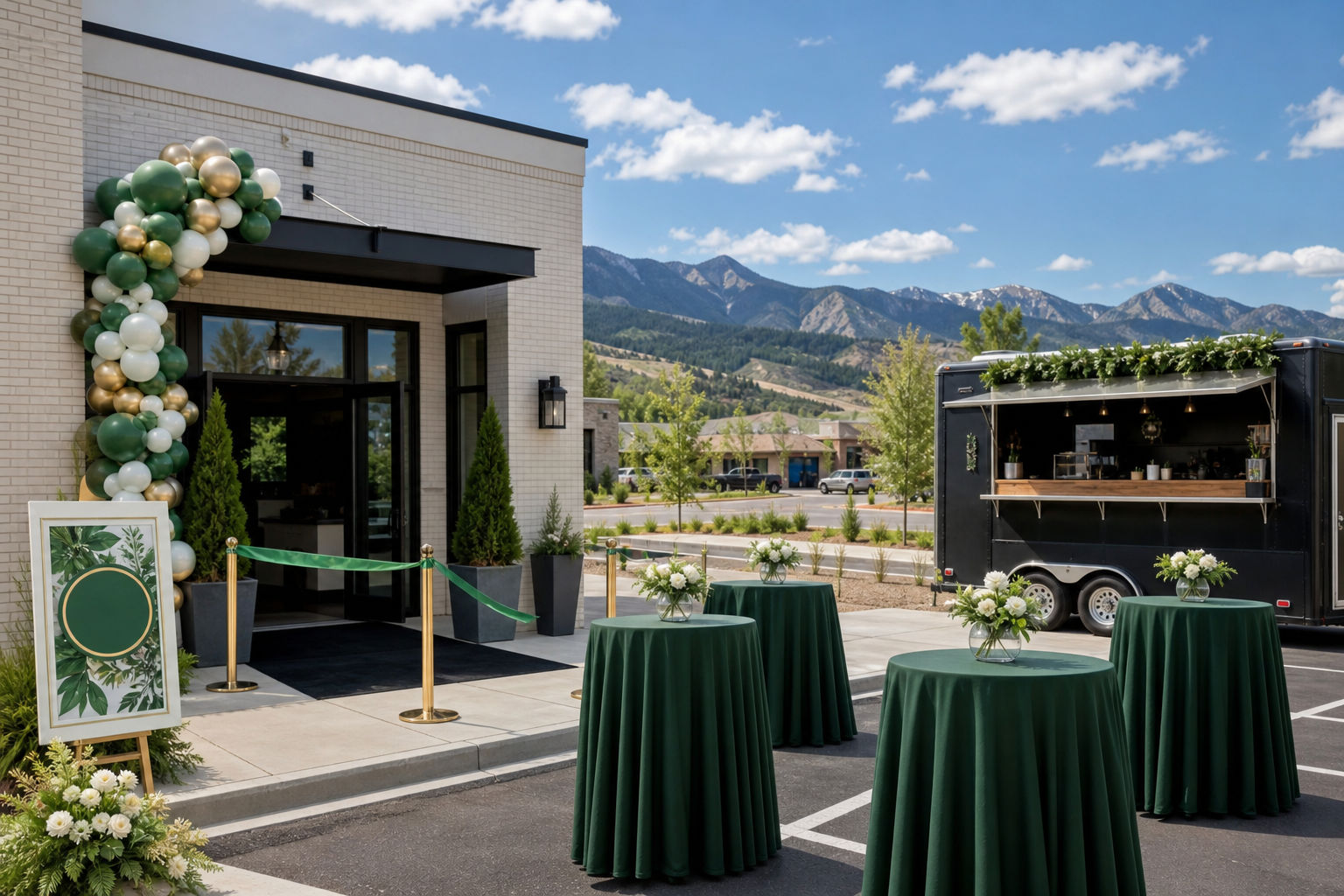
What You'll Learn
- Build a guest flow that avoids crowding and confusion
- Time food service so energy stays high throughout the event
- Present your brand consistently from entry to exit
- Use event pacing to keep guests engaged and on schedule
- Plan logistics early to reduce launch-day stress
A grand opening is more than a ribbon cutting. For a local business, it is a first public impression, a community introduction, and often a test of how well your team can host, communicate, and deliver under pressure. When the event feels disorganized, guests notice. When it feels welcoming and intentional, they stay longer, interact more, and leave with a clearer sense of what your business stands for.
That is why experienced event planners approach grand openings as operational events, not just celebrations. At The Food Truck Family, planning a launch in Denver, Aurora, Westminster, or nearby communities starts with guest movement, service timing, site logistics, and brand presentation. Whether you are opening a storefront, office, showroom, or community-facing facility, the goal is simple: create an event that feels easy for guests because the details were handled before they arrived.
Start with guest arrival, not the ribbon cutting
Many business owners begin planning with the headline moment: the speech, the ribbon, the photo. An event planner usually begins earlier, with the first ten minutes of the guest experience. Where will people park? How will they know where to enter? Will they walk straight into a line, a check-in table, or an open mingling area? If arrival is unclear, the event starts with hesitation instead of momentum.
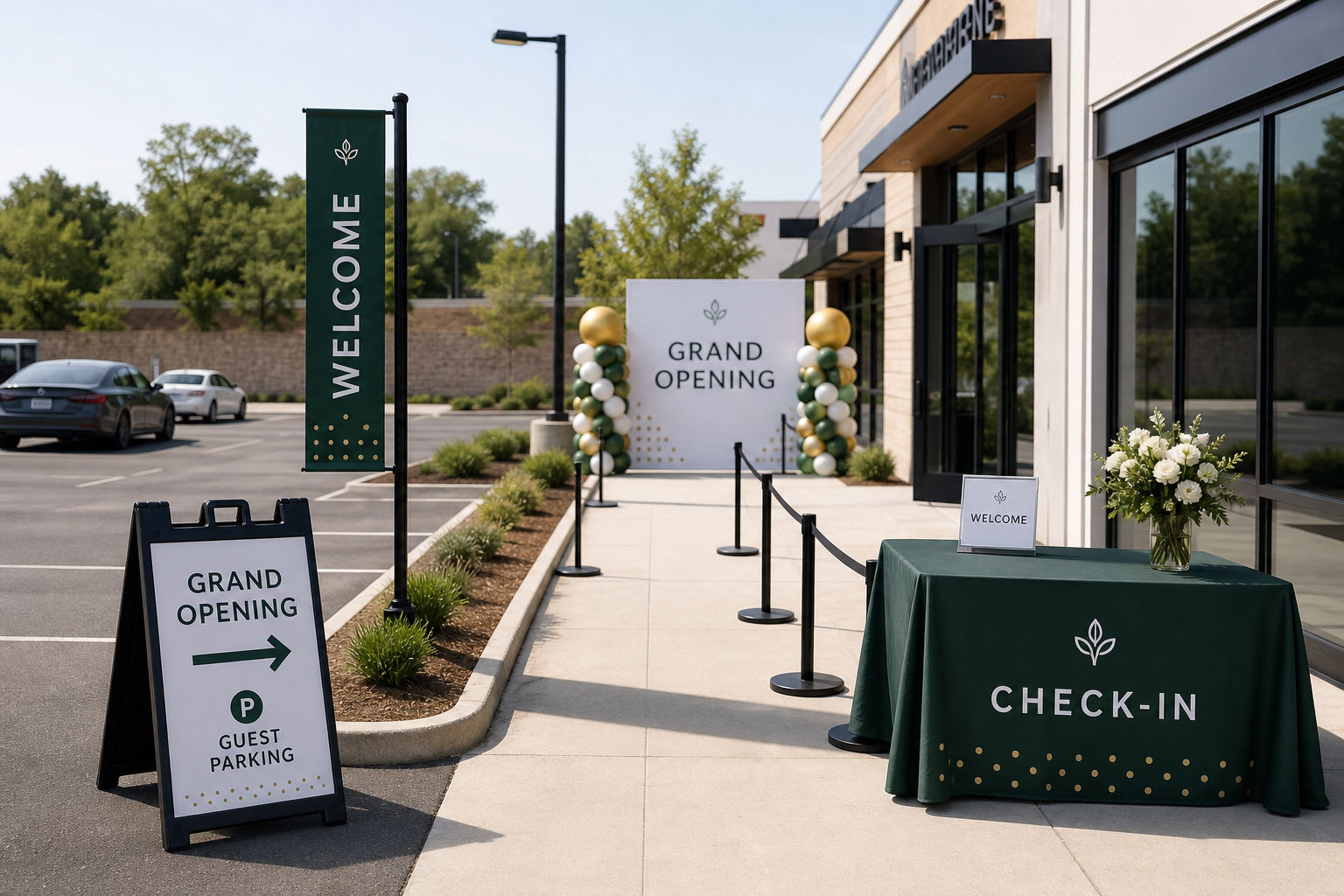
For grand openings in places like Thornton, Broomfield, or Lakewood, arrival strategy should match the property and the expected guest mix. A public-facing retail launch may need signage from the street, a visible welcome point, and immediate hospitality. A business-to-business opening may need a cleaner check-in process, name collection, and a designated place for media, partners, or local officials. The right flow reduces bottlenecks and helps guests understand where to go without asking for directions every few steps.
- Confirm parking, overflow parking, and accessible routes
- Use clear entry signage visible from the street and sidewalk
- Place a greeter where guests naturally pause
- Separate check-in from food ordering when possible
- Keep the ribbon-cutting area visible but not blocking circulation
Design the event in phases so it never feels flat
One of the most common grand opening problems is poor pacing. Guests arrive all at once, stand around waiting for the formal program, then rush to food and leave. A stronger approach is to structure the event in phases: arrival and welcome, early mingling, formal recognition, food service peak, and a relaxed close. That sequence gives the event a rhythm and helps different guest groups participate even if they do not all arrive at the same time.
Good pacing also protects your operations. If speeches start too late, guests drift. If food opens too early, people may skip the program. If every activity happens at once, your team gets pulled in five directions. This is where event management matters. The timeline should support your business goals, whether that means collecting leads, thanking partners, introducing the owner, or encouraging guests to tour the space.
Businesses planning more complex launch-day schedules can benefit from the same sequencing logic used for private events and multi-part celebrations. For example, split-schedule event planning is useful when you need to coordinate remarks, tours, demos, and catering without long dead periods.
Time food service to support the crowd, not compete with it
Food is often the biggest traffic generator at a grand opening, which means it should be timed and positioned strategically. A mobile caterer can make the event feel lively and convenient, but only if ordering lines, pickup areas, and guest circulation are planned around the site. The food experience should add energy to the event, not create a wall of people between the entrance and your business.
In Denver-area launches, a practical setup often includes light welcome refreshments at the start, a defined service opening after the main remarks, and enough space around the truck or service station for guests to queue comfortably. This is especially important in busy locations like Arvada, Commerce City, or Englewood, where parking lots and shared commercial spaces may already have circulation constraints.
When food service is integrated well, guests feel taken care of and stay longer. When it is not, the event can feel fragmented. If you want the catering side to feel smooth and low-stress, this guide on making food truck catering feel effortless at local events outlines the kind of coordination that keeps service moving without confusion.
Questions to answer before service begins
- Where will guests line up, and where will they exit after pickup?
- Can the service area handle peak traffic without blocking entrances?
- Will speeches or tours pause ordering, or continue alongside it?
- Do you need separate service for VIPs, staff, or media?
- How will trash, bussing, and cleanup be handled during the event?
Use brand presentation to make the event feel intentional
A polished grand opening does not require excessive decor. It requires consistency. Guests should understand your brand from the moment they arrive: signage, welcome language, layout, menu presentation, staff appearance, and the tone of the program should all feel connected. If your business is modern and efficient, the event should reflect that. If your business is community-focused and approachable, the hospitality should reinforce it.
Brand presentation also includes what guests photograph and share. Think about the backdrop behind the ribbon cutting, the cleanliness of the service area, and the visual relationship between the food setup and your storefront or venue. Every visible element contributes to whether the event feels like a well-managed opening or an improvised gathering.
Choose a layout that works for your site conditions
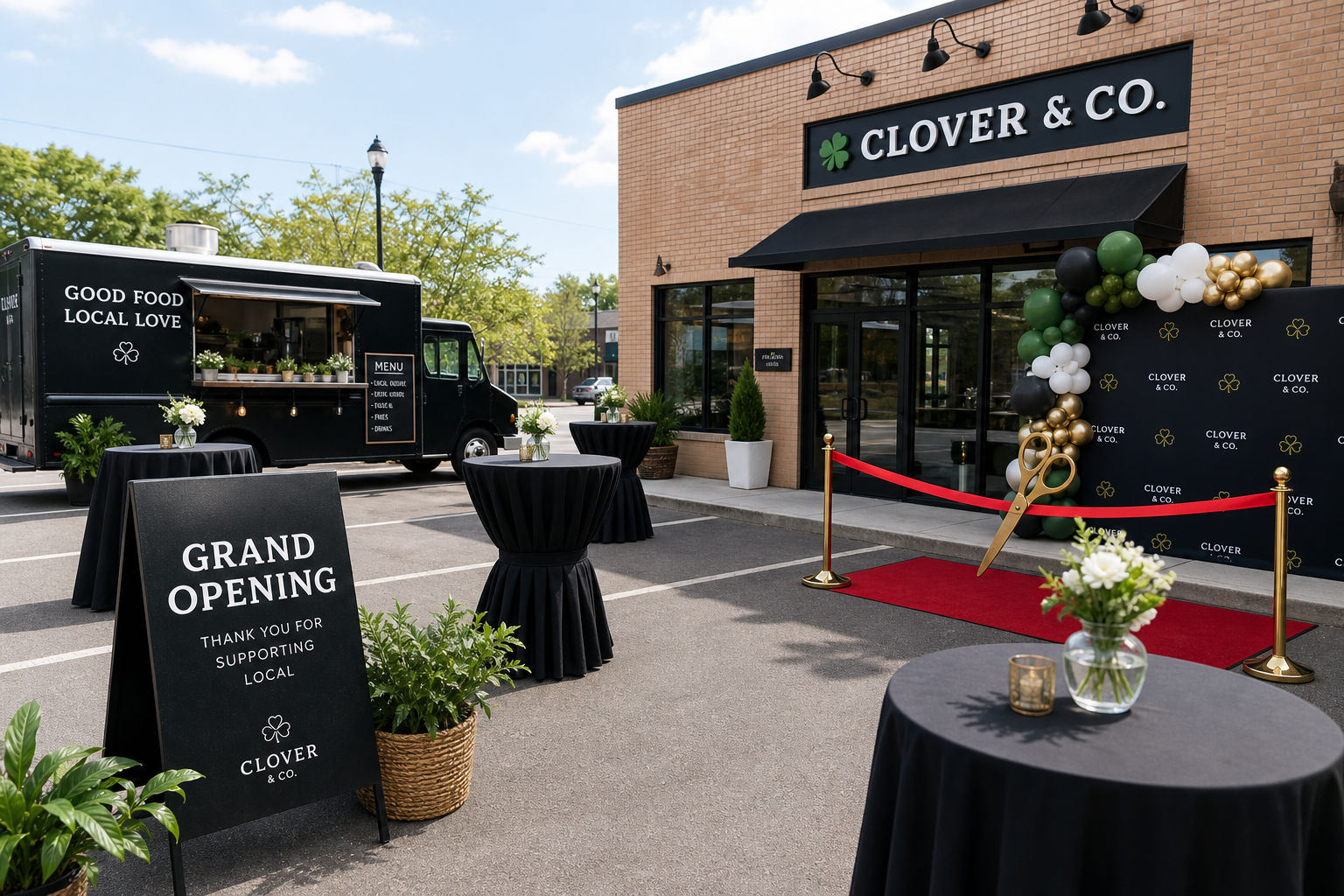
Even the best timeline can fall apart if the site itself is not evaluated carefully. Before approving a setup, an event planner looks at access points, guest flow, utility needs, weather exposure, and the distance between event components. A food truck, check-in table, speaking area, and photo zone all need room to function together. If one element blocks another, the event feels crowded fast.
This is especially relevant for openings in mixed-use developments, office parks, and neighborhood retail centers across Westminster, Northglenn, and Littleton. Shared parking, delivery lanes, and local restrictions can affect where mobile catering and guest gathering areas should go. For a deeper look at pre-event site review, see what an event planner looks for before approving a venue for a mobile catered event.
If your grand opening extends into the evening, power and lighting should be addressed early rather than treated as an add-on. Temporary lighting, extension paths, and electrical load all affect safety and guest comfort. This related article on power, lighting, and electrical planning for evening events is helpful for businesses hosting after-work launch events or seasonal openings.
Assign roles so your team can host instead of scramble
One reason professionally managed events feel calm is that people know their roles. Someone owns vendor coordination. Someone cues the program. Someone welcomes VIPs. Someone monitors food service timing. Someone handles small issues before they become public problems. Without those assignments, business owners often spend the event answering basic logistical questions instead of talking to guests, partners, and customers.
For many local businesses, outside support is what makes that possible. A team that understands catering, event flow, and on-site management can coordinate the moving parts while your staff focuses on relationship-building. That matters whether you are opening in Brighton, Centennial, Parker, or another growing Front Range market where community turnout can exceed expectations.
A well-planned grand opening should feel easy to attend
The best grand openings are memorable for the right reasons. Guests know where to go, what is happening, when food is available, and why the business is worth paying attention to. That kind of experience rarely happens by accident. It comes from planning the arrival, pacing the program, timing service carefully, and presenting the brand in a way that feels cohesive from start to finish.
The Food Truck Family supports launch events as a mobile caterer and event planning resource for businesses across Thornton, Denver, Aurora, Westminster, and surrounding communities. If you want your grand opening to feel organized, welcoming, and genuinely worth attending, thoughtful coordination is what turns a basic event into a strong business introduction.
Source: marketing and promotion guidance for small businesses