How Event Planners Coordinate Multi-Point Service for Large Private Parties and Corporate Gatherings
What You'll Learn
- Know when one service station is no longer enough
- Reduce lines with smarter placement and timing
- Improve guest flow without a confusing layout
- Match staffing levels to guest count and arrival patterns
- Plan smoother large events across Denver-area venues
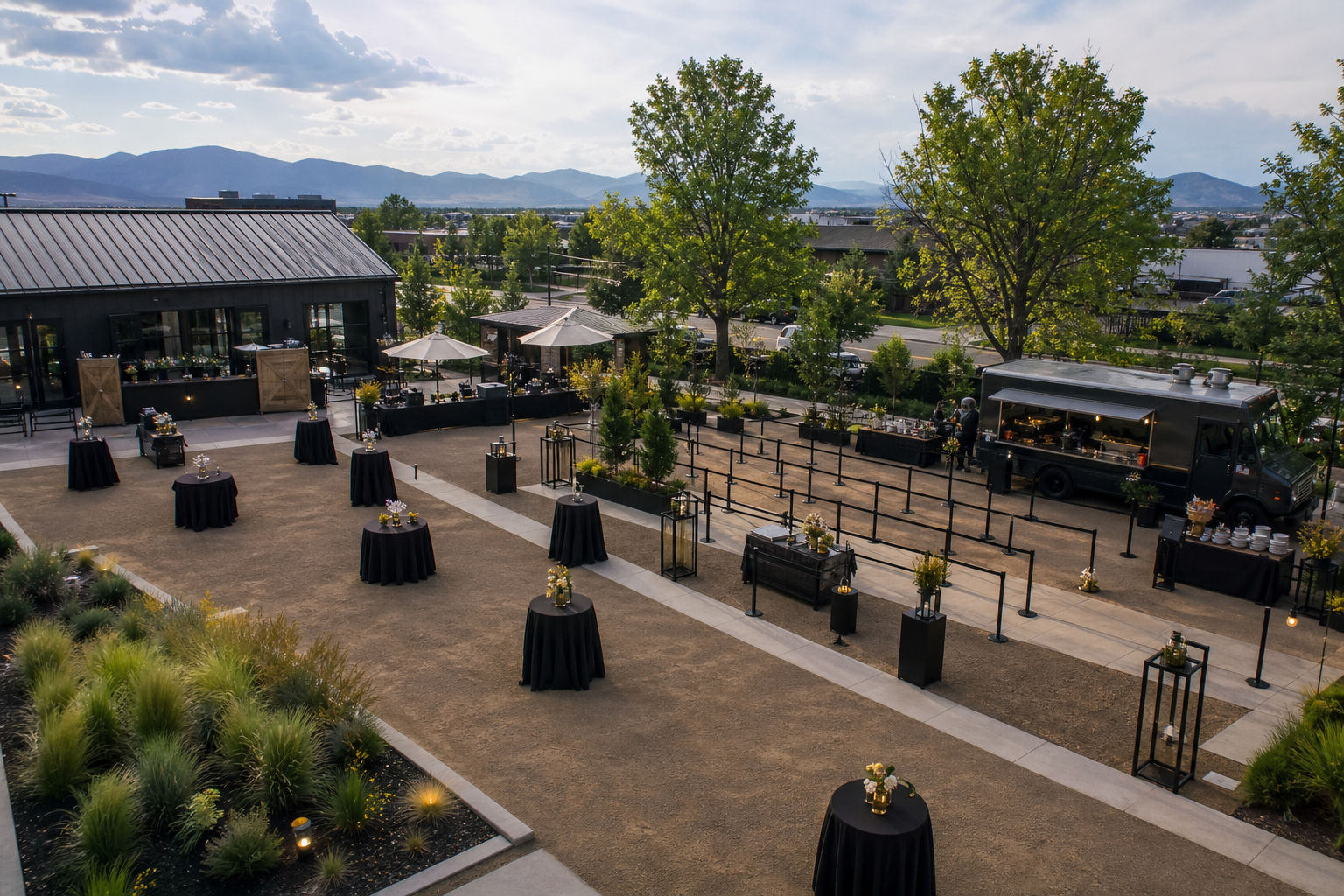
At a certain event size, a single buffet, bar, or check-in table stops being efficient. Guests begin clustering in one area, walkways get blocked, and the overall experience feels slower than it should. For large private parties, weddings, neighborhood celebrations, and corporate gatherings across Denver, Thornton, and Aurora, planners often solve that problem with multi-point service: more than one location for food, beverages, desserts, guest check-in, or activity support.
The goal is not to make an event feel bigger or more complicated. It is to make it feel easier. A well-planned multi-point setup helps guests move naturally, keeps wait times shorter, and prevents one popular area from becoming a bottleneck. For a mobile caterer and event planning team like The Food Truck Family, this means balancing menu style, venue access, guest count, and timing so service feels seamless from arrival through the last round of food and drinks.
When an event needs more than one service station
Not every event needs multiple stations, but many larger ones benefit from them sooner than hosts expect. A planner usually starts considering multi-point service when guest counts rise, when the venue has separate indoor and outdoor zones, or when arrivals happen in waves. Corporate open houses, backyard receptions, graduation parties, and company celebrations in Westminster, Broomfield, and Lakewood often fit this pattern.
For example, one food truck may serve efficiently for a moderate crowd, but if guests all break for lunch within a narrow time window, adding a second ordering point, a beverage satellite, or a passed appetizer route can dramatically improve flow. Similarly, at a wedding or private party, one centralized bar may create long lines if it is also placed near the dance floor, guest book, or dessert display. The planner looks at where guests will naturally gather and separates those pressure points before event day.
- Guest count is high enough that one line would back up repeatedly
- The venue has multiple gathering zones or long walking distances
- Guests are expected to arrive or eat at the same time
- Food, drinks, and guest services would otherwise overlap in one area
- The host wants a more relaxed experience with less visible waiting
This is especially important when planners know traffic will surge at certain times. If your event does not have a single arrival moment, the service map should reflect that. Our related post How to Plan an Event Schedule for Guests Who Arrive in Waves Instead of All at Once explains why staggered attendance changes both station count and timing.
How planners decide where each station should go
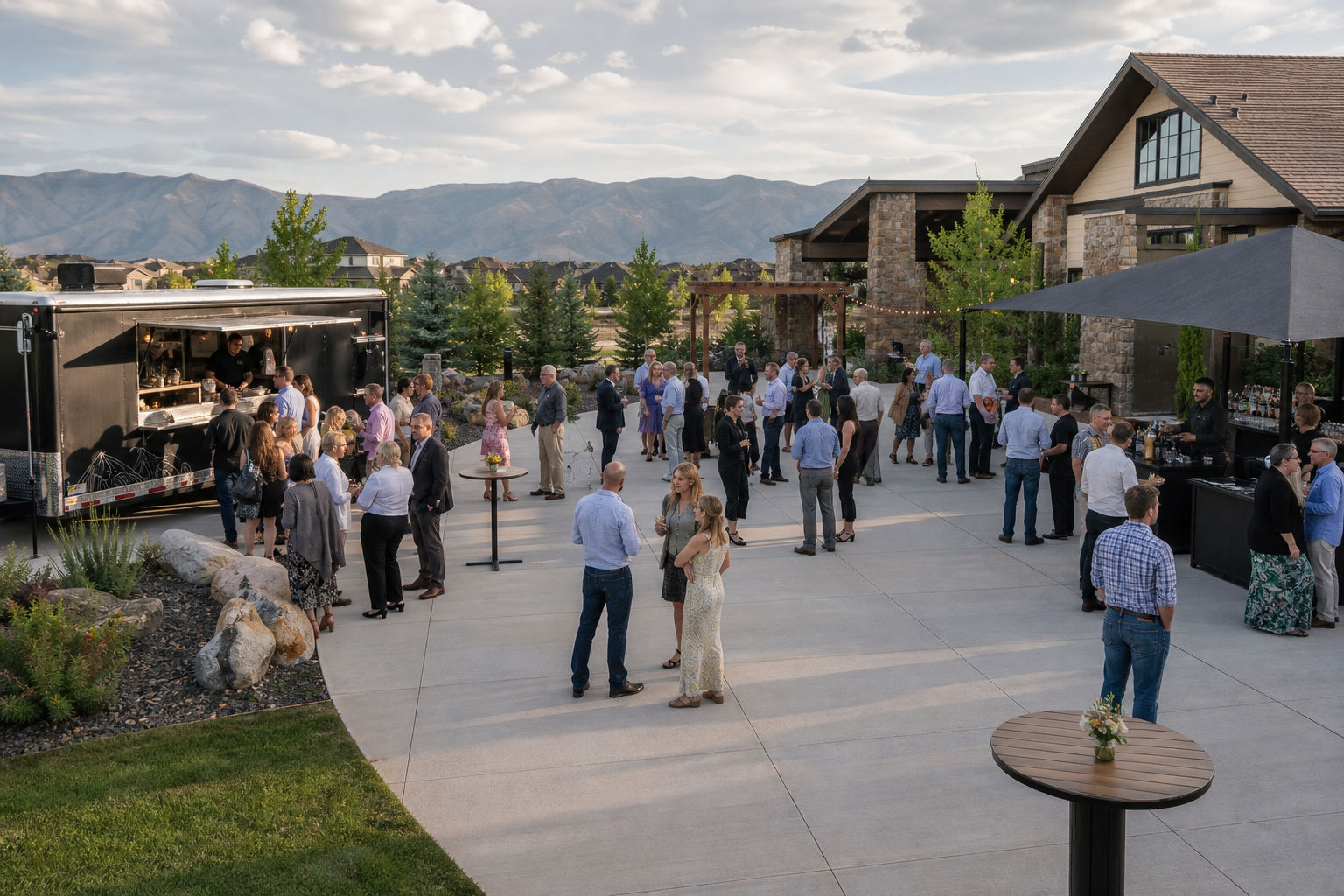
Placement is never random. Event planners begin with the guest journey: where people enter, where they pause, where they naturally turn, and where they are likely to gather in groups. Then they compare that path with practical needs such as truck access, power, waste stations, shade, lighting, and emergency clearance. If the event includes a venue walkthrough, those details become much easier to confirm in advance, which is why What an Event Planner Needs From Your Venue Walkthrough Before a Wedding or Private Party is such an important planning step.
A good rule is to avoid stacking high-demand functions in one corner. If check-in, the bar, and the main food line all sit near the entrance, guests will bottleneck immediately. Instead, planners often spread demand across the footprint. A beverage station might be placed opposite the main food service. Dessert may be held until later in a separate area to draw traffic away from dinner lines. For home events, side yards, driveways, patios, and garage-adjacent staging areas can all become part of the circulation plan when used intentionally.
For residential events, neighborhood restrictions and access rules matter too. In HOA communities or tighter suburban layouts in places like Centennial, Parker, or Lone Tree, the planner may need to account for parking limitations, noise windows, and where service vehicles can stand without blocking guest movement. Hosts planning at home should also review Event Planning for Events at Homes With HOAs: Rules, Access, and Guest Logistics to Address Early before finalizing the layout.
Staffing flow matters as much as station count
Adding more stations only works if staffing supports them. A planner looks at how many people are needed not just to serve guests, but to restock, answer questions, manage waste, direct traffic, and keep lines moving. A second beverage point with no dedicated attendant may become a self-service mess. A dessert station placed too early may pull staff away from the main meal when demand is highest.
That is why event management is really about flow, not just headcount. Teams often assign staff in phases. Early on, more attention may go to arrival support and beverages. During the meal window, labor shifts toward food production and line management. Later, staff can pivot to dessert, late-night snacks, or cleanup circulation. For mobile catered events, this staffing plan must also align with load-in timing, prep space, and vendor coordination, all of which are covered in How an Event Planner Coordinates Vendor Load-In and Setup for Mobile Catered Events in Thornton and Denver.
- Estimate guest demand by 15- to 30-minute windows, not just total attendance
- Assign one staff lead to each major station or service zone
- Create a restocking path that does not cross the guest line
- Schedule station openings so all demand does not hit at once
- Use signage or staff direction only where guests truly need guidance
Timing strategies that reduce lines without changing the menu
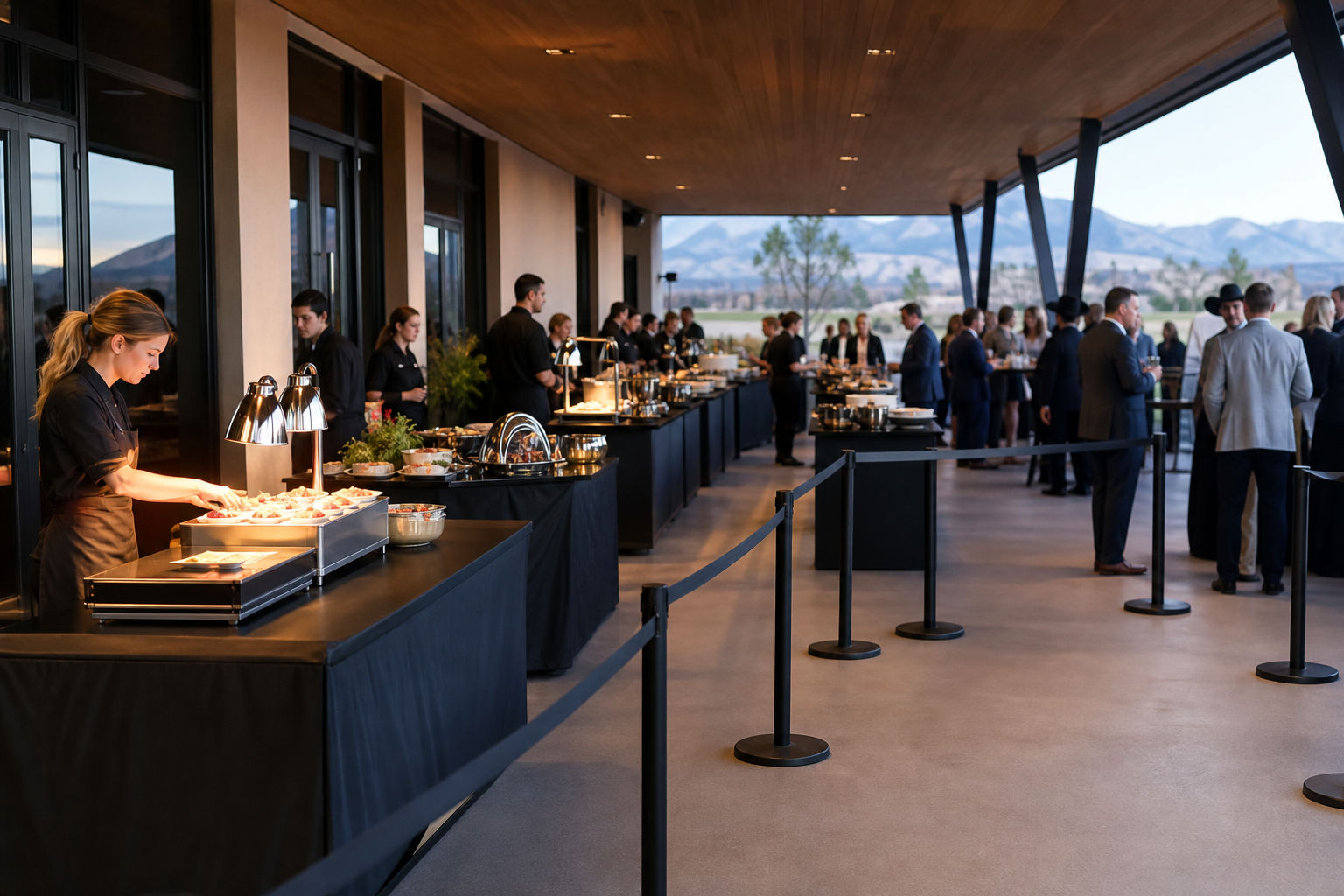
One of the most effective ways to reduce crowding is to change when services open, not just where they go. If every feature launches at the same moment, guests rush the same area together. Planners often stagger access to create a steadier rhythm. Passed bites during arrival can delay the first big food rush. A secondary drink station can open before the main meal. Dessert can be introduced after speeches or once guests begin moving to another part of the venue.
This approach works particularly well for business events, where attendees may drift between tours, presentations, and conversations. In those settings, the service plan should support networking instead of interrupting it. Our post How to Plan a Corporate Open House That Encourages Conversation, Steady Traffic, and Smooth Food Service explores this strategy in more detail for local business owners.
Timing also helps at parks and public spaces, where service windows, public access, and setup limitations may be stricter. If your event will be in a civic or outdoor setting in Arvada, Littleton, or Brighton, planners often coordinate station timing around permit requirements, public traffic, and available staging areas. That is one reason pre-event planning is so important for off-site gatherings, as explained in Planning a Wedding or Private Party at a Park or Public Space in Denver: What an Event Planner Handles Before Event Day.
How to keep the layout simple for guests
The best multi-point service plan is the one guests barely notice. They should not need a map to find a drink or wonder where their meal starts. Simplicity comes from clear sightlines, logical spacing, and just enough direction. If one station is visible from arrival, another is visible from the seating area, and staff can answer quick questions, the layout will feel intuitive rather than busy.
For homeowners and business hosts, the takeaway is simple: more service points do not automatically mean more complexity. When designed well, they create shorter lines, better movement, and a more comfortable experience for everyone. The Food Truck Family helps clients across Denver-area communities plan food, beverage, and guest service layouts that fit the event instead of forcing guests to adapt to a crowded setup. Whether you are hosting at home, at a venue, or at a public site, thoughtful station placement, staffing flow, and timing can make a large gathering feel organized, welcoming, and easy to enjoy.
Source: Denver Parks and Recreation permits