Event Planning for Events at Homes With HOAs: Rules, Access, and Guest Logistics to Address Early
What You'll Learn
- Identify HOA rules before invitations and vendor bookings go out
- Plan parking and arrivals to reduce neighbor complaints
- Coordinate service access, setup, and cleanup more smoothly
- Avoid timing conflicts with quiet hours and gate restrictions
- Use an event planner to solve issues before event day
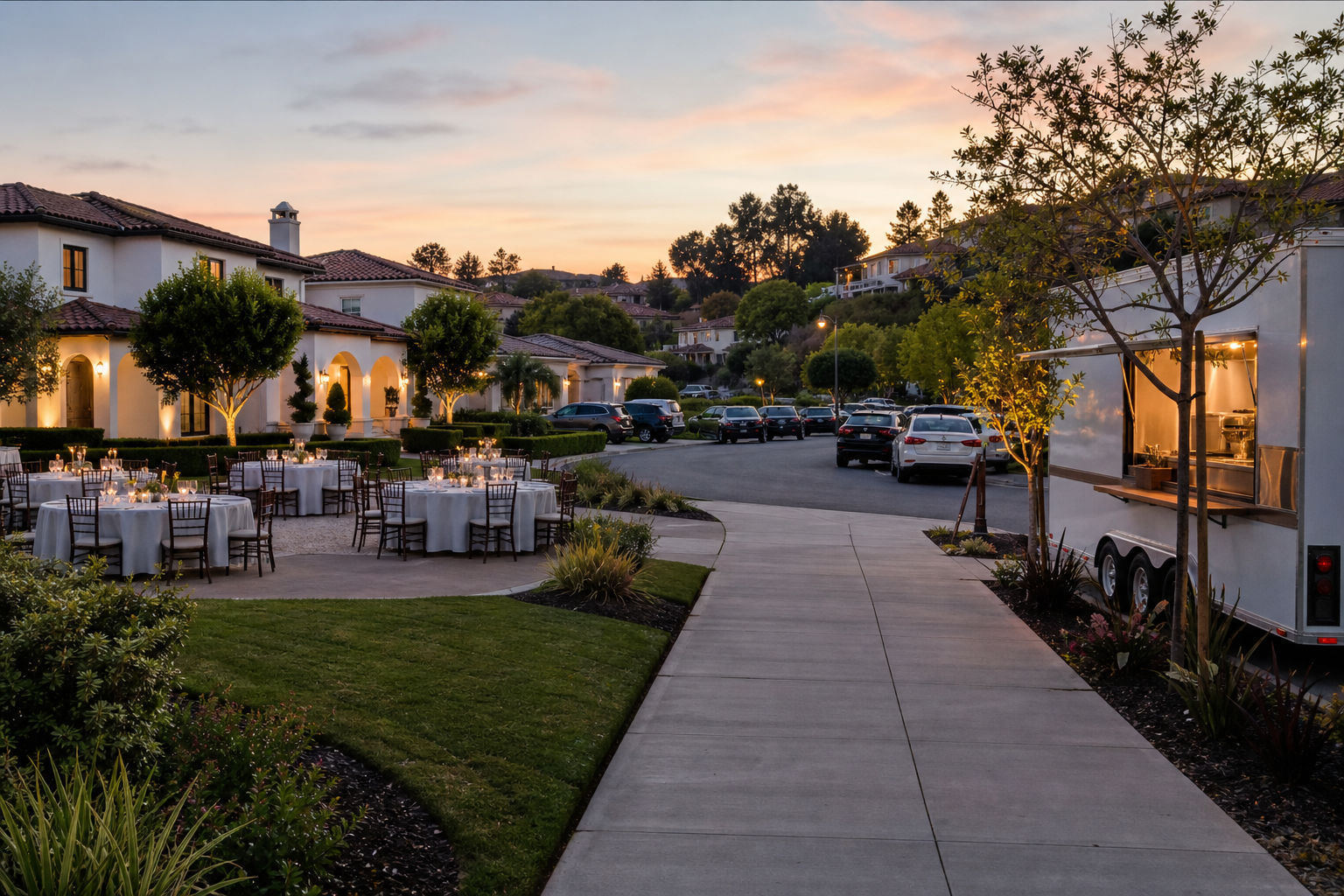
Hosting a catered event at home can feel simple on the surface: choose a date, invite guests, finalize food, and get ready to celebrate. In HOA neighborhoods, though, the logistics often need to be addressed much earlier. Parking limits, quiet hours, gate access, vendor restrictions, and setup windows can all affect the success of a private party, wedding-related event, or neighborhood business gathering. For homeowners in Thornton, Denver, and Aurora, those details are often the difference between a smooth event and a stressful one.
That is where an experienced event planner adds real value. A planner does not just organize timelines and catering. They help homeowners identify restrictions before invitations go out, build a workable arrival plan, and coordinate service in a way that respects both the property and the surrounding community. When a mobile caterer like The Food Truck Family is part of the event, early planning becomes even more important because vehicle access, service location, and timing all need to fit the neighborhood rules.
Start With HOA Documents, Not Assumptions
Many homeowners assume a private event is allowed as long as it stays on their property. In practice, HOA communities may have rules that affect guest counts, street parking, amplified music, delivery hours, common-area use, and commercial vehicles. Before choosing a layout or confirming vendors, review the governing documents, event policies, and any community notices that apply to gatherings. If the rules are unclear, contact the HOA manager directly and request written clarification.
An event planner can help translate those rules into practical decisions. For example, if the HOA limits vehicles parked overnight or prohibits blocking sidewalks and hydrants, that affects how guests are invited and when they are asked to arrive. If there is a strict end time for outdoor activity, your planner can reverse-engineer the event schedule so dinner, speeches, and cleanup all fit comfortably. Homeowners planning engagement parties or rehearsal dinners may also benefit from reading What Homeowners Should Know Before Planning a Backyard Engagement Party, Rehearsal Dinner, or Post-Wedding Brunch for a broader look at backyard event logistics.
- Ask whether guest parking is limited by street, side, or time of day
- Confirm if mobile kitchens or food trucks are allowed on-site
- Check noise and music cutoff times for outdoor spaces
- Verify delivery, setup, and trash removal rules
- Request any gate codes, permits, or advance vendor registration steps
Build a Parking and Arrival Plan Before You Send Invitations
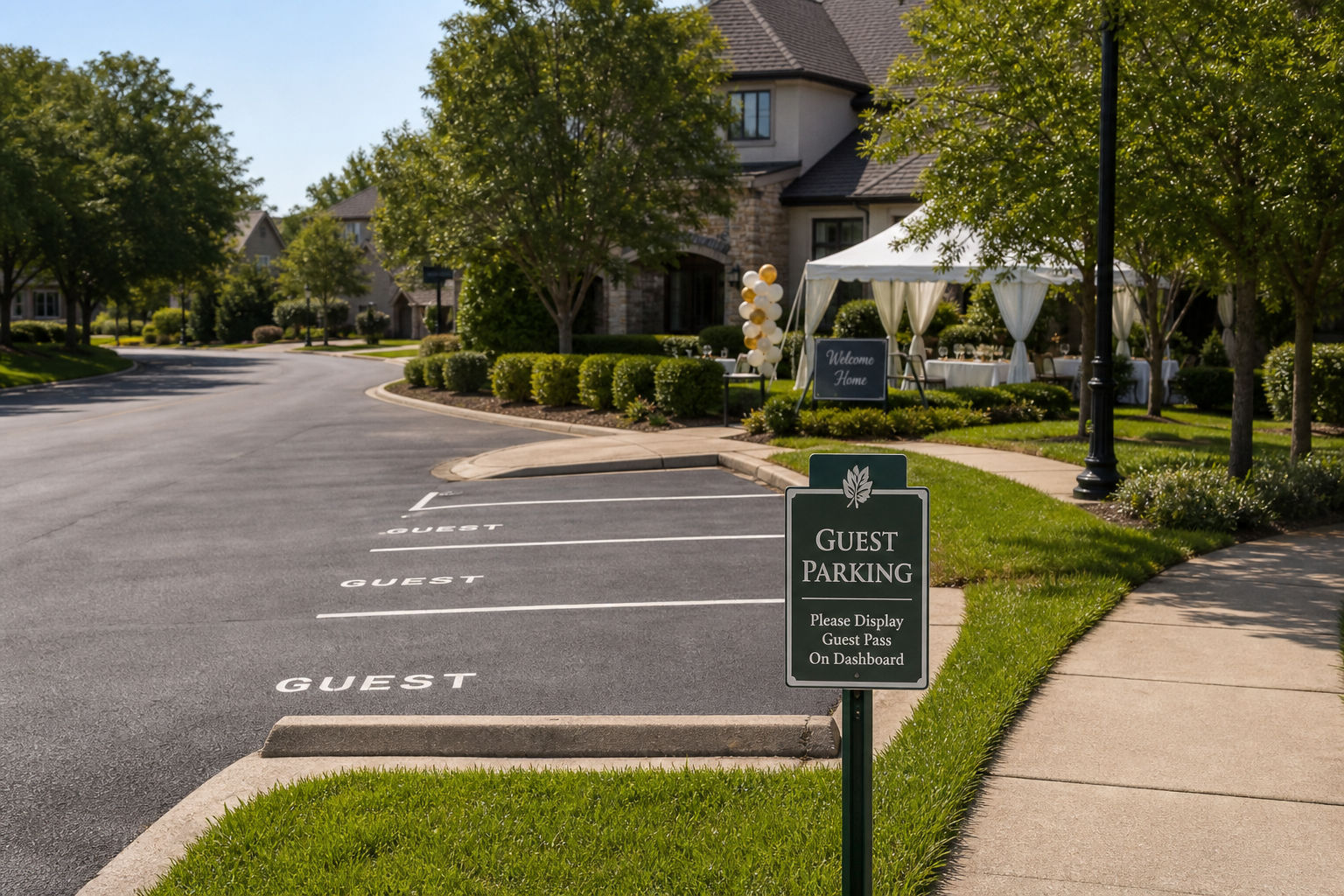
Guest logistics are often the first neighborhood issue to surface. Even a modest event can create congestion if everyone arrives in a short window and parks near driveways, mailboxes, or shared amenities. In communities across Westminster, Broomfield, and Northglenn, HOA rules may be stricter than city street parking laws, so it is not enough to assume public parking is available.
A planner helps homeowners match the invitation list to the site conditions. That may mean recommending staggered arrival times, using rideshare language in the invitation, arranging a nearby overflow parking location, or assigning a greeter to direct vehicles. If your guest flow is likely to spread out over time rather than happen all at once, see How to Plan an Event Schedule for Guests Who Arrive in Waves Instead of All at Once. A well-managed arrival pattern reduces crowding, lowers noise at the curb, and makes the event feel more organized from the first guest onward.
Parking planning is especially important for home-based business events, client appreciation gatherings, and open-house style celebrations. These events often create rolling arrivals and departures that can frustrate neighbors if they are not anticipated. An event planner can also help determine whether valet, signage, or a small shuttle solution makes sense based on the neighborhood layout and the number of expected vehicles.
Confirm Service Access for Caterers, Rentals, and Cleanup
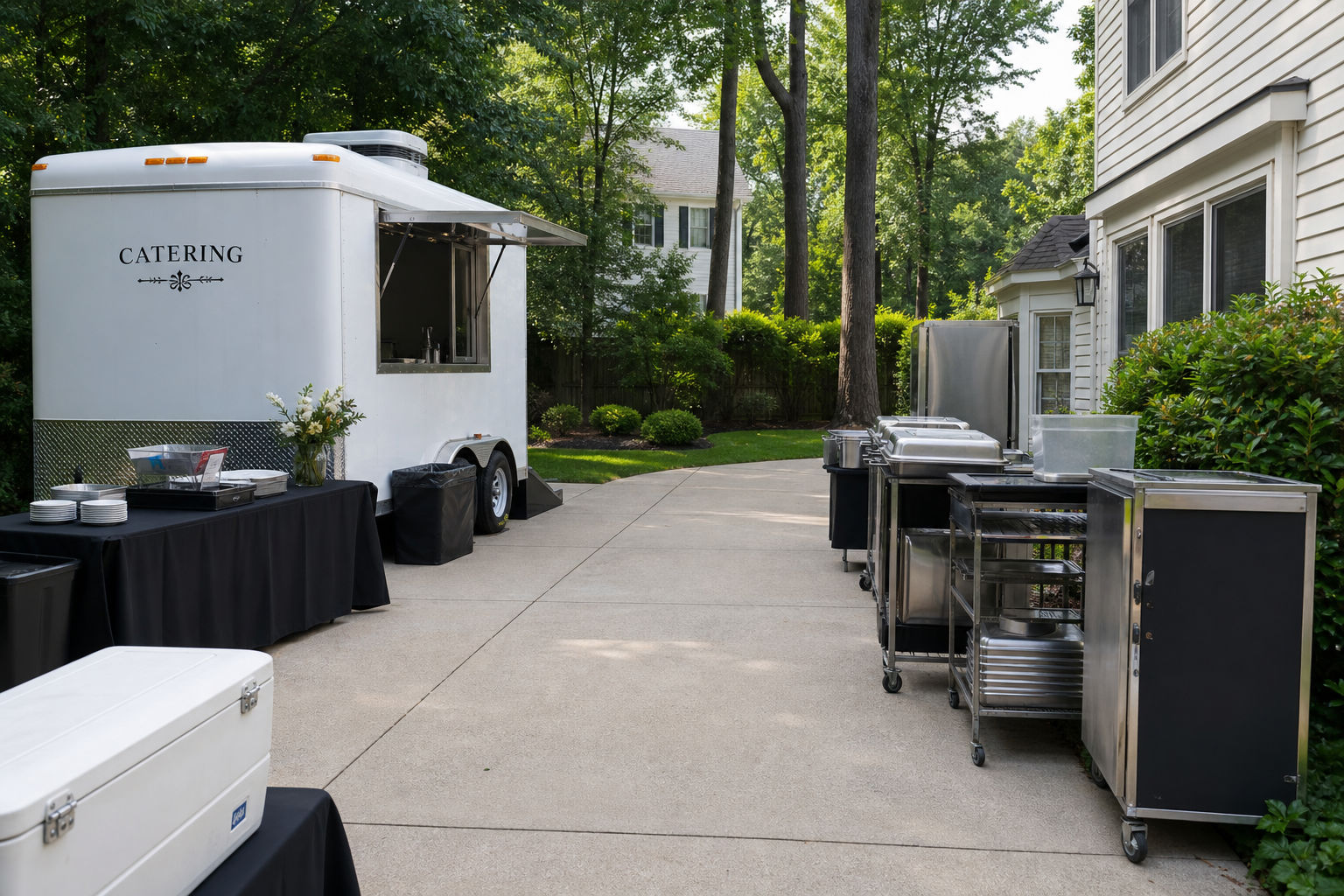
In HOA neighborhoods, vendor access is rarely as simple as pulling up and unloading. Gates, narrow streets, cul-de-sacs, fire lanes, landscaping islands, and shared driveways can all affect where a mobile caterer can park and how equipment can be moved. If the event includes a food truck, prep vehicle, rental delivery, or bar setup, the service path should be mapped in advance.
This is one of the clearest ways an event planner protects the homeowner. They coordinate the load-in route, setup timing, and service footprint so that vendors do not interfere with traffic flow or violate HOA rules. For a closer look at how that process works, read How an Event Planner Coordinates Vendor Load-In and Setup for Mobile Catered Events in Thornton and Denver. The same principles apply in Arvada, Commerce City, and Lakewood, where access conditions can vary dramatically from one neighborhood to the next.
- Measure available curb, driveway, or approved parking space for service vehicles
- Identify the safest path for carts, coolers, rentals, and waste removal
- Confirm power, lighting, and water access if needed
- Set exact arrival and departure windows for each vendor
- Plan cleanup so trash and equipment are removed within allowed hours
Work Backward From Noise Limits and End Times
One of the most common mistakes in residential event planning is building the event around the ideal guest experience without accounting for the neighborhood's hard stop. HOA quiet hours may begin earlier than homeowners expect, and some communities have restrictions on outdoor music, generators, or amplified announcements. That affects not just entertainment, but also catering service, toast timing, and breakdown.
An event planner will usually start with the latest permitted end time and build backward. If outdoor music must stop at 9:00 p.m., dinner service may need to begin earlier, speeches may need tighter coordination, and dessert service may need to move indoors or conclude more quickly. This kind of planning also helps avoid the delays and bottlenecks discussed in Corporate Event Planning Mistakes That Cause Delays, Crowding, and Guest Frustration, which often apply to private events as well.
For homeowners hosting weddings, milestone birthdays, or client events in Littleton, Centennial, or Parker, timing discipline is often what keeps the event elegant and neighbor-friendly at the same time. The best event plans feel relaxed to guests because the logistical decisions were made early and clearly.
Match Menu and Service Style to the Property
HOA restrictions do not just affect where an event happens; they can also influence how food should be served. A buffet may require more table space than the patio allows. A food truck may need a specific curb position. Passed service may reduce lines and noise near the street. A planner working with a mobile caterer can recommend a service format that fits the property layout, guest count, and timing rules without sacrificing hospitality.
That coordination becomes even more important when dietary needs are part of the event. Separate service stations, labeled items, and efficient guest flow help the event move smoothly while still accommodating preferences and restrictions. For more on that topic, see How to Plan an Event Menu and Service Style Around Guest Dietary Needs Without Slowing Down the Event.
Why Homeowners Bring in an Event Planner Early
Homeowners often contact a caterer after they have already chosen the date and started inviting guests. In HOA communities, that can be late in the process. Bringing in an event planner early allows the event team to review restrictions, assess access, and design a realistic plan before the event gains momentum. That protects the homeowner from having to change timing, reduce guest counts, or rework parking after invitations are already out.
The Food Truck Family supports homeowners and businesses with mobile catering, event planning, and event management for gatherings across Thornton, Denver, Aurora, and surrounding communities. When the planning starts early, the result is not just a better catered event. It is a better neighborhood experience, a smoother guest arrival, and a celebration that feels professionally managed from setup through cleanup.
Source: community rules guidance