How to Plan a Corporate Open House That Encourages Conversation, Steady Traffic, and Smooth Food Service
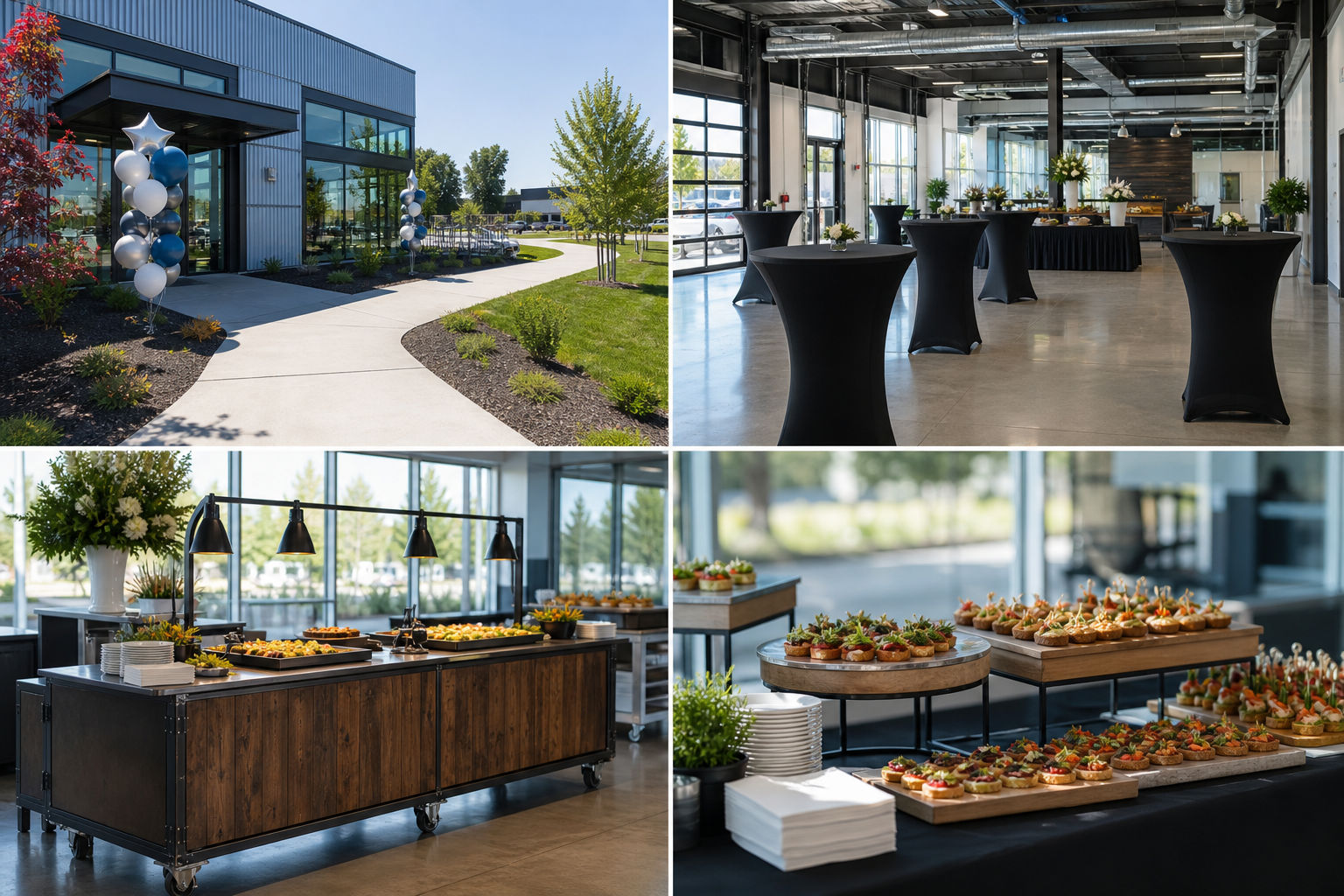
What You'll Learn
- Design a layout that supports conversation without bottlenecks
- Manage arrivals so traffic stays steady instead of peaking at once
- Coordinate signage and staffing for a more polished guest experience
- Choose food service that fits your goals, space, and guest flow
- Turn an open house into a stronger local marketing opportunity
A successful corporate open house should feel welcoming, easy to navigate, and purposeful from the moment guests arrive. Whether you are hosting a client appreciation event, a new office launch, or a community introduction for your business in Thornton, Denver, or Aurora, the event setup directly affects how long guests stay, who they talk to, and how they remember your brand. For local business owners, that means open house planning is not just about food and décor. It is about creating an environment that supports conversation, steady movement, and a professional experience that reflects the quality of your business.
At The Food Truck Family, corporate events work best when layout, service timing, signage, and staffing are planned together instead of separately. Food service can either support networking or interrupt it. Guest traffic can either flow naturally or pile up at the door. The difference usually comes down to a few planning decisions made well before event day. If you want an event that feels organized instead of reactive, start by thinking about how guests will move through the space from arrival to departure.
Start With the Business Goal, Then Build the Guest Flow
Every open house should have a clear purpose. Some businesses want to introduce a new location. Others want to strengthen existing client relationships, support a launch, or create local visibility with nearby partners. That goal should shape the event format. If your priority is conversation, avoid anything that forces everyone into one line or one room at the same time. If your priority is showcasing a facility, create a layout that encourages guests to circulate through key spaces without confusion.
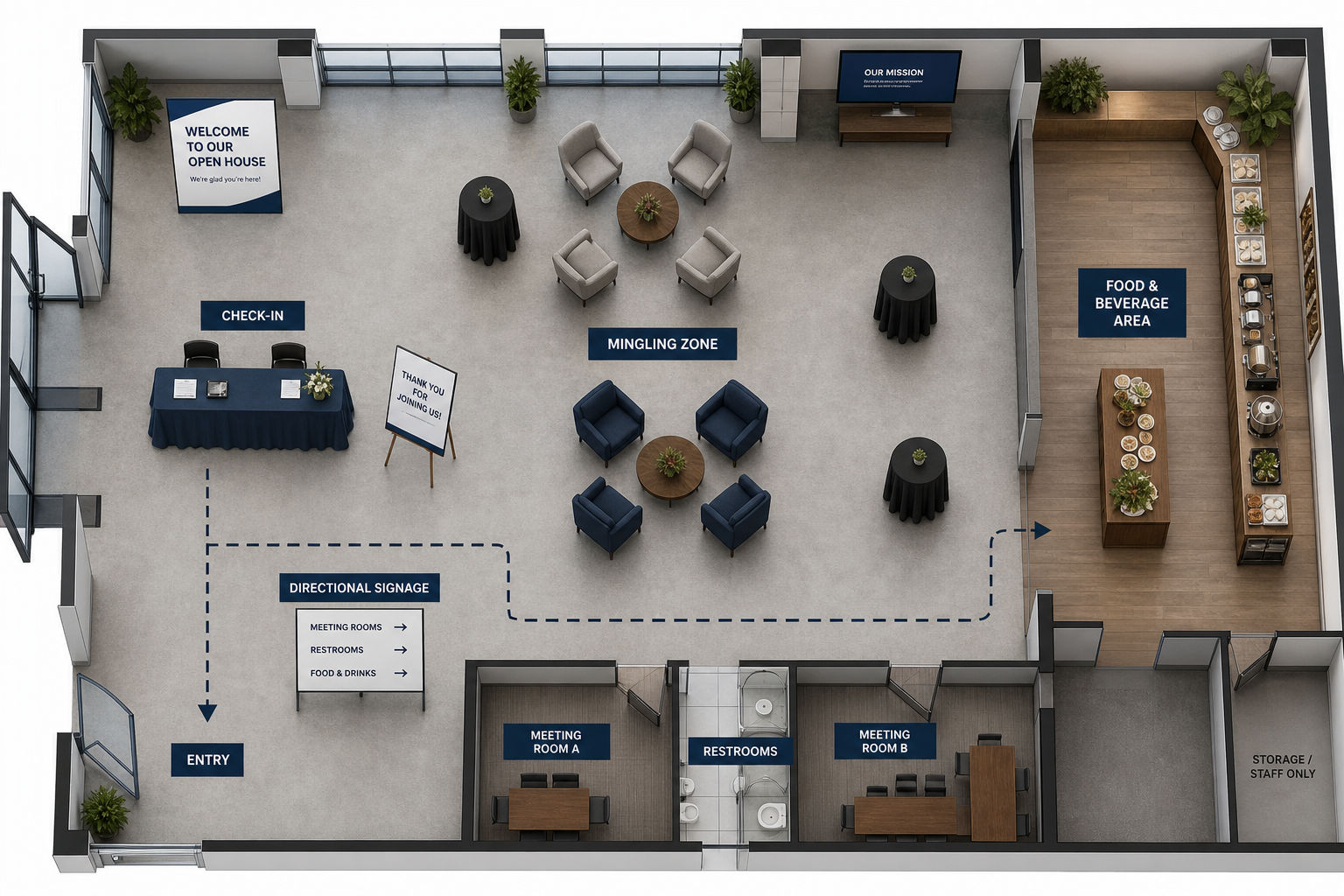
A practical way to plan this is to map the guest journey in order: parking, entrance, check-in, welcome point, main mingling area, food access, restrooms, and exit. In many offices and commercial spaces, bottlenecks happen where those functions overlap. For example, if food is placed directly inside the entrance, new arrivals can collide with guests who have already settled in. If the bar, buffet, and check-in table are all close together, conversation stalls because people are focused on waiting instead of interacting. Businesses in Westminster, Broomfield, and Northglenn often benefit from using separate zones so each activity has enough room.
- Keep the entrance open and uncluttered
- Place check-in away from food pickup if possible
- Use one primary mingling zone with smaller side conversation areas
- Position food where guests can access it without crossing the whole room
- Create a visible path to tours, demos, or featured displays
Plan for Arrival Patterns Instead of a Single Rush
One of the biggest mistakes in corporate event planning is assuming all guests will arrive evenly. In reality, open houses often see mini-waves: a first group at the start time, a second wave after work hours, and another around any advertised presentation or ribbon-cutting moment. If you do not plan for those patterns, the event can feel crowded early and flat later. For a closer look at common timing and flow issues, see Corporate Event Planning Mistakes That Cause Delays, Crowding, and Guest Frustration.
To keep traffic steady, many local businesses benefit from a flexible event window rather than a single hard start. Invitations can encourage drop-in attendance over two or three hours, while internal teams can schedule featured moments at staggered times. This reduces pressure on check-in, parking, and food service. It also gives your staff more opportunities for real conversation because they are not trying to greet everyone at once. In Commerce City, Lakewood, and Littleton, this approach is especially useful for businesses drawing guests from across the metro area who may arrive on different schedules.
Use Signage to Reduce Questions and Keep Guests Comfortable
Good signage does more than label a room. It reduces hesitation, helps guests feel oriented, and frees your team to focus on hospitality instead of repeating directions. At an open house, guests should be able to identify where to enter, where to check in, where to find refreshments, and where the main activity is happening within seconds. When that information is unclear, people cluster near the entrance and wait for cues from others.
Keep signage simple, consistent, and visible at decision points. That usually means parking areas, building entrances, hallway turns, and food pickup zones. If your event includes tours, demos, or department introductions, add directional signs that make movement feel intentional. Menu signage also matters. Clear labels help guests choose quickly and support dietary needs without slowing service. For more on balancing dietary accommodations with event pace, read How to Plan an Event Menu and Service Style Around Guest Dietary Needs Without Slowing Down the Event.
Match Staffing to the Layout, Not Just the Guest Count
Business owners often estimate staffing based only on attendance, but layout is just as important. A compact open office may need fewer directional staff than a larger facility with multiple entrances, outdoor areas, or separate service zones. The goal is to place team members where they can prevent confusion before it happens. That usually includes one person at arrival, one at check-in or welcome, one or more people circulating in the main guest area, and dedicated food service support where needed.
If you are coordinating multiple vendors, timing and load-in also affect the guest experience. Vendors arriving late, crossing guest pathways, or setting up near active event areas can make the event feel unfinished. This is why pre-event coordination matters so much, especially in active commercial settings in Arvada, Englewood, or Centennial. For a helpful example of setup planning, see How an Event Planner Coordinates Vendor Load-In and Setup for Mobile Catered Events in Thornton and Denver.
Choose a Food Service Style That Supports Conversation
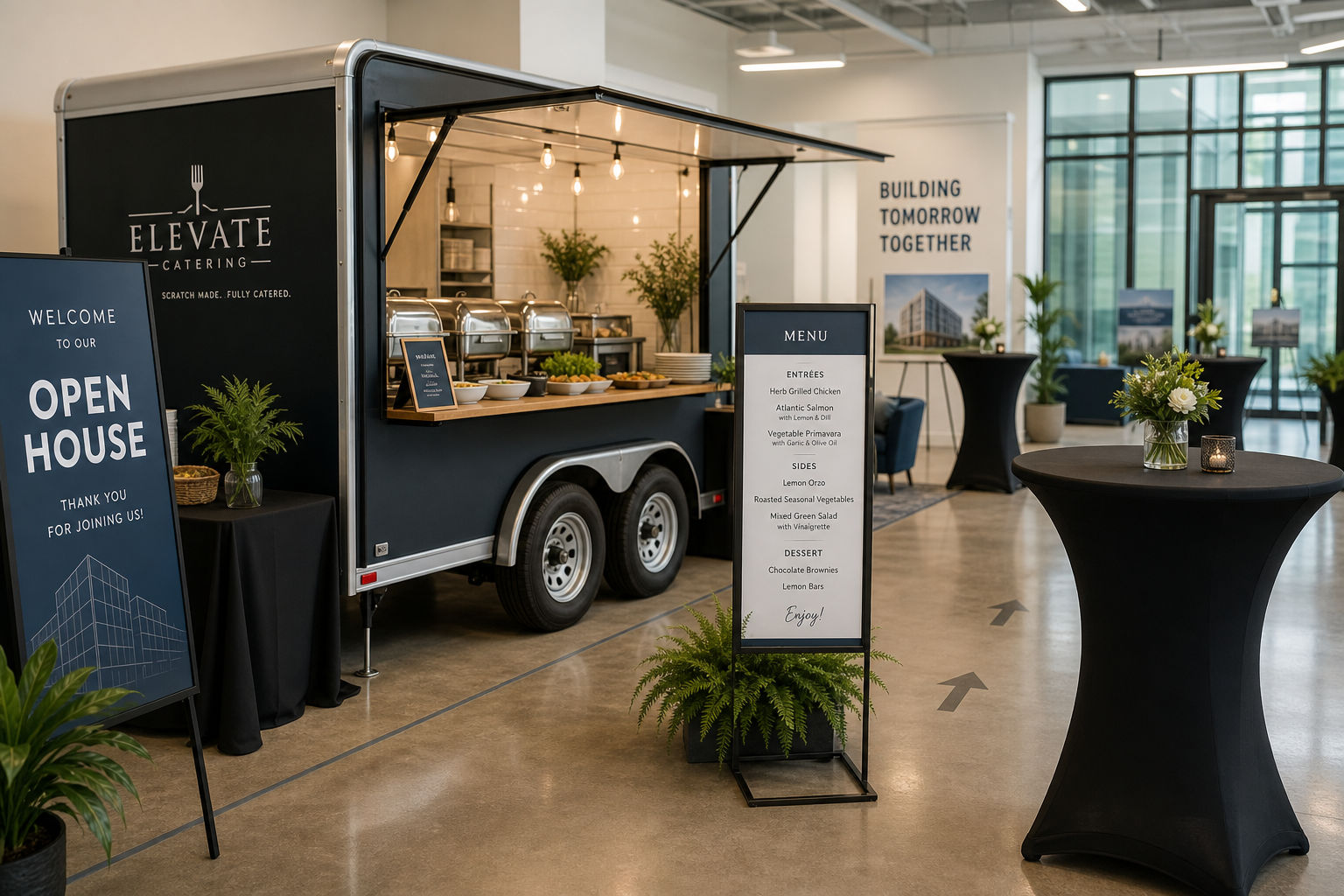
Food should fit the rhythm of the event, not dominate it. For corporate open houses, the best service style is usually one that allows guests to eat without leaving the conversation for long. That can mean passed bites, small stations, staggered buffet service, or a mobile catering setup positioned to serve guests efficiently without creating a single long queue. The right choice depends on your space, attendance pattern, and how formal or casual you want the event to feel.
For example, if your event includes guided tours or product demonstrations, lighter handheld items may work better than full plated meals. If guests are expected to stay longer and mingle in one central area, station-based service can create natural touchpoints without freezing movement. If your attendance is high, staggered service helps avoid crowding and keeps food quality more consistent throughout the event. The same principles used for larger community functions also apply to business events, and How Event Planners Design Staggered Service for School, Church, and Community Events With Large Guest Counts offers useful insight into pacing service around guest flow.
- Passed appetizers support networking and reduce line formation
- Station service works well for longer events with multiple conversation zones
- Buffet service needs enough room for entry, service, and exit paths
- Mobile catering can simplify service in parking lots or mixed indoor-outdoor events
- Menu variety should be broad enough for dietary needs without overcomplicating choices
Create Small Conversation Zones Instead of One Large Crowd
One overlooked strategy for better networking is breaking up the event into smaller social zones. Guests are more likely to start conversations when they can comfortably stand, set down a drink, and hear each other. A single packed room often looks energetic but can be difficult to navigate. By contrast, several smaller gathering areas make the event feel active while still allowing meaningful discussion. This can be especially valuable for professional service firms, showrooms, and local companies hosting clients or referral partners.
Use furniture, food placement, and displays to encourage circulation between zones. A welcome area near the entrance, a central food area, and one or two quieter conversation spaces can make the event feel fuller and more balanced. If your business is in Parker, Lone Tree, or Castle Rock and serves a mix of homeowners and commercial clients, this approach can also help different guest groups interact naturally without forcing everyone into the same corner.
Finish With a Strong Impression
The end of an open house matters as much as the beginning. Guests should be able to leave easily, collect any takeaway materials without a line, and know what the next step is if they want to continue the relationship. That might be booking a consultation, scheduling a follow-up visit, joining a mailing list, or simply remembering your business as organized and easy to work with. A polished exit is part of conversion, not an afterthought.
When open houses are planned around guest movement, service timing, and business goals, they do more than fill a room. They create better conversations, stronger first impressions, and a smoother experience for everyone involved. The Food Truck Family helps businesses across Thornton, Denver, Aurora, and surrounding communities coordinate catering and event planning details that keep events running cleanly from setup through service. If you are preparing for an open house, launch, or appreciation event, thoughtful planning is what turns attendance into results.
Source: marketing and customer engagement guidance