Morning and Midday Event Planning: What Changes When Your Catered Event Is Not Held at Dinner Time
What You'll Learn
- Build a daytime event timeline that fits guest energy and arrival patterns
- Plan shade, hydration, and seating for comfort during morning and midday events
- Match menus and beverage service to brunch, lunch, and family-friendly gatherings
- Reduce service bottlenecks with smarter pacing for daytime catering
When an event is scheduled before dinner, the entire planning approach changes. A brunch shower in Thornton, a company lunch in Denver, or a family celebration in Westminster all move at a different pace than an evening reception. Guests arrive with different expectations, appetite levels, and energy. They may be coming from school drop-off, a half workday, weekend errands, or youth sports. That means the event schedule, catering flow, beverage setup, seating plan, and comfort strategy should all be built around daytime behavior, not copied from a dinner template.
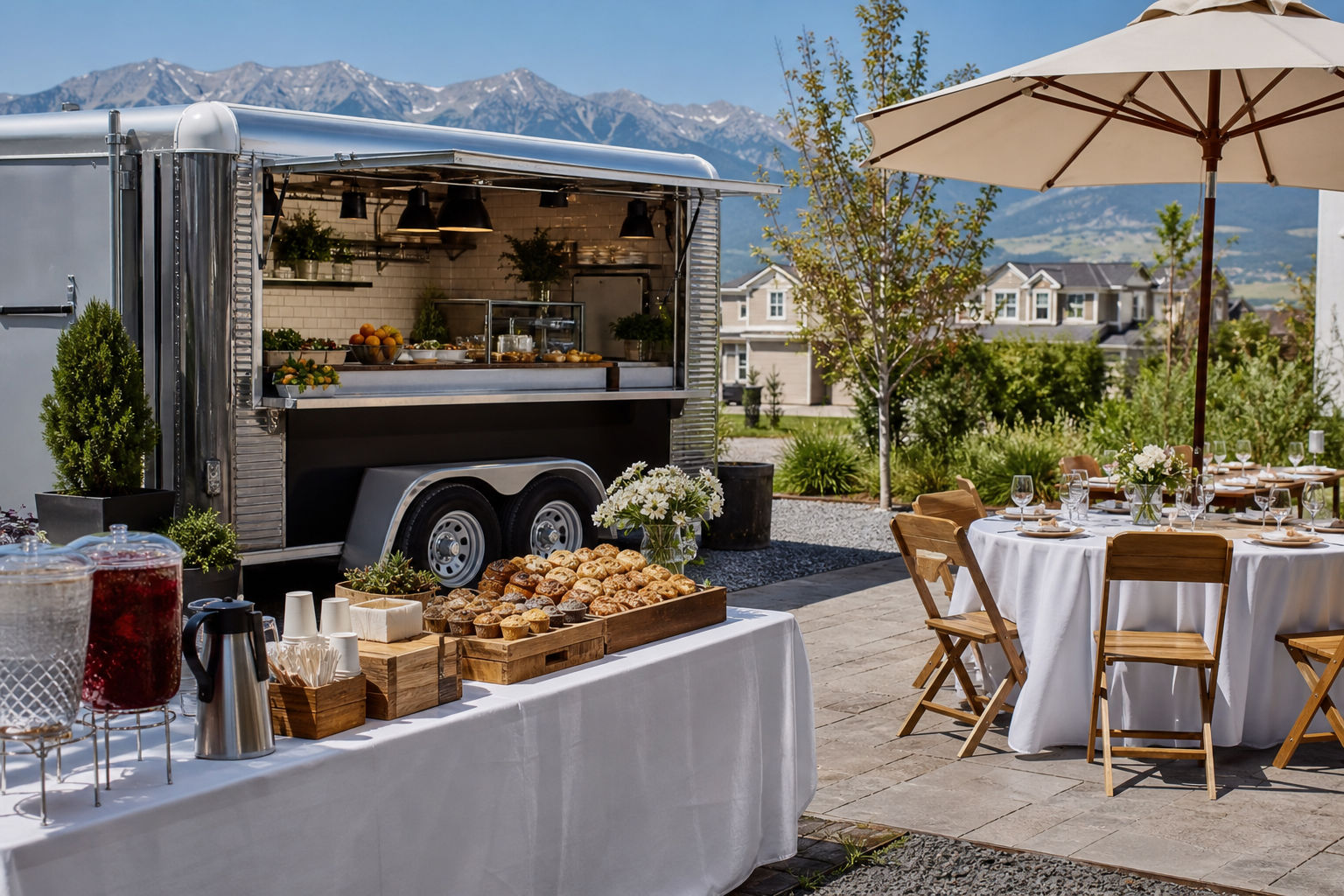
At The Food Truck Family, daytime catering works best when the event plan respects the hour of the day. Morning and midday gatherings usually need faster guest orientation, lighter but satisfying menu pacing, more attention to sun and shade, and service windows that keep the event moving without feeling rushed. Whether you are planning a wedding brunch, employee appreciation lunch, open house, or backyard family event, a thoughtful schedule helps guests feel comfortable and keeps food service smooth from the first arrival to the final coffee refill.
Why daytime events need a different planning mindset
Dinner events often build naturally toward one central meal period. Morning and midday events are different. Some guests may want to eat right away. Others may arrive expecting to mingle first and grab food later. In family settings, children and older adults may need seating and access to refreshments sooner than the rest of the group. In business settings, lunch breaks can create a hard stop, which makes timing more important than decoration or entertainment.
This is why a strong event plan starts with the guest pattern. If arrivals will be staggered, the service style should support that. Our guide on how to plan an event schedule for guests who arrive in waves is especially useful for daytime receptions, school-related events, and come-and-go corporate gatherings. Instead of one dramatic meal reveal, daytime events usually benefit from a schedule that supports steady traffic, easy access, and clear transitions.
Start with the real arrival window
A common planning mistake is assuming the invitation time and the true guest arrival time are the same. For brunches and lunches, they often are not. A 10:30 brunch may see a burst of early guests who are ready to eat immediately, while a noon employee appreciation lunch in Aurora may have arrivals spread over 45 minutes as teams rotate out of meetings. The event schedule should reflect that reality with a welcome period, a food service start time, and a buffer before any speeches or formal moments.
- For brunch: allow coffee, juice, and light bites to be available first
- For lunch receptions: open food service quickly to fit workday expectations
- For family events: create a soft start so guests can settle in without crowding service
- For open-house style gatherings: keep service continuous instead of relying on one meal bell
Menu pacing matters more before dinner
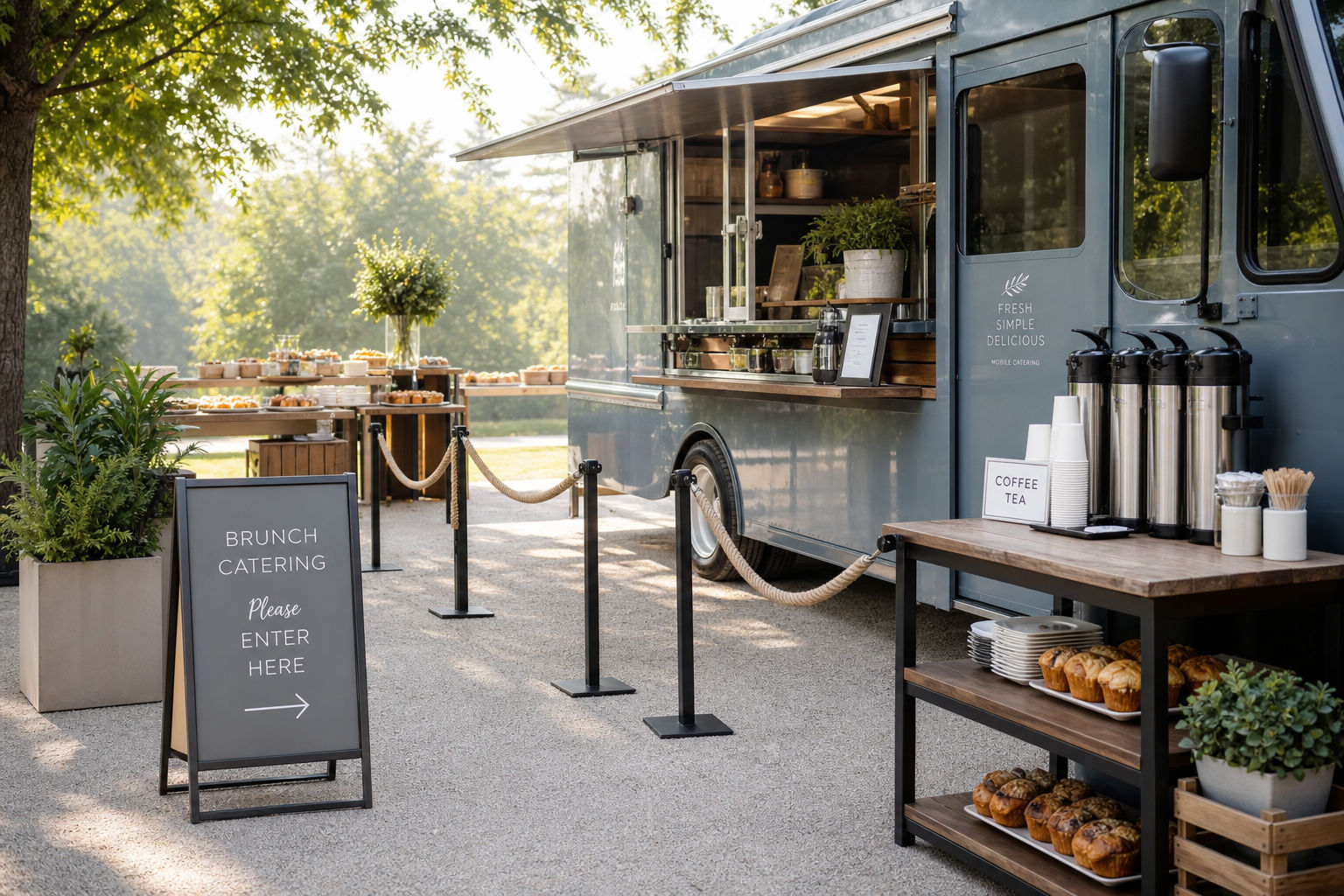
Morning and midday guests usually want food that feels convenient, fresh, and appropriately portioned for the hour. That does not mean lighter in quality or less memorable. It means the menu should fit the setting and the schedule. Brunch events often do well with a mix of savory and sweet options, coffee service, and items guests can enjoy without pausing the entire event. Lunch events often benefit from clear main-item choices, quick side service, and a dessert plan that does not slow down departures.
For mobile catering, pacing also means deciding whether food should be available all at once, released in phases, or kept open for a broader service window. At an employee event in Broomfield or Lakewood, for example, a shorter line and a reliable serving rhythm can matter more than a formal plated sequence. At a wedding brunch or baby shower, a more relaxed progression may be the better fit. The key is matching menu timing to guest purpose: celebrate, connect, eat efficiently, or stay and linger.
Shade, temperature, and comfort become central planning issues
At dinner time, cooling temperatures and softer light often work in your favor. During the morning and especially midday, sun exposure can shape the entire guest experience. If your event is outdoors in Arvada, Centennial, or Commerce City, shade planning should be treated as a core logistics item, not a last-minute add-on. Guests standing in direct sun while waiting for food or drinks will feel the strain quickly, and that can shorten how long they stay and how positively they remember the event.
Important daytime comfort details include shaded waiting areas, protected beverage stations, enough seating for guests who need a break from standing, and a layout that avoids forcing everyone into one hot queue. If weather risk is part of the picture, our article on how an event planner builds a weather backup plan for outdoor weddings and private parties in Thornton and Denver can help you think through backup coverage, wind, rain, and heat exposure before event day.
Think beyond tents
Shade is not just about overhead coverage. It also includes where guests first gather, where seniors or parents with young children can sit comfortably, and whether beverage service remains cold and easy to access. For mixed-age daytime events, comfort planning has to support different needs at the same time. Our post on planning an event for mixed age groups is a helpful companion if your guest list includes children, working adults, and older relatives who will all move through the event differently.
Beverage service should match the time of day
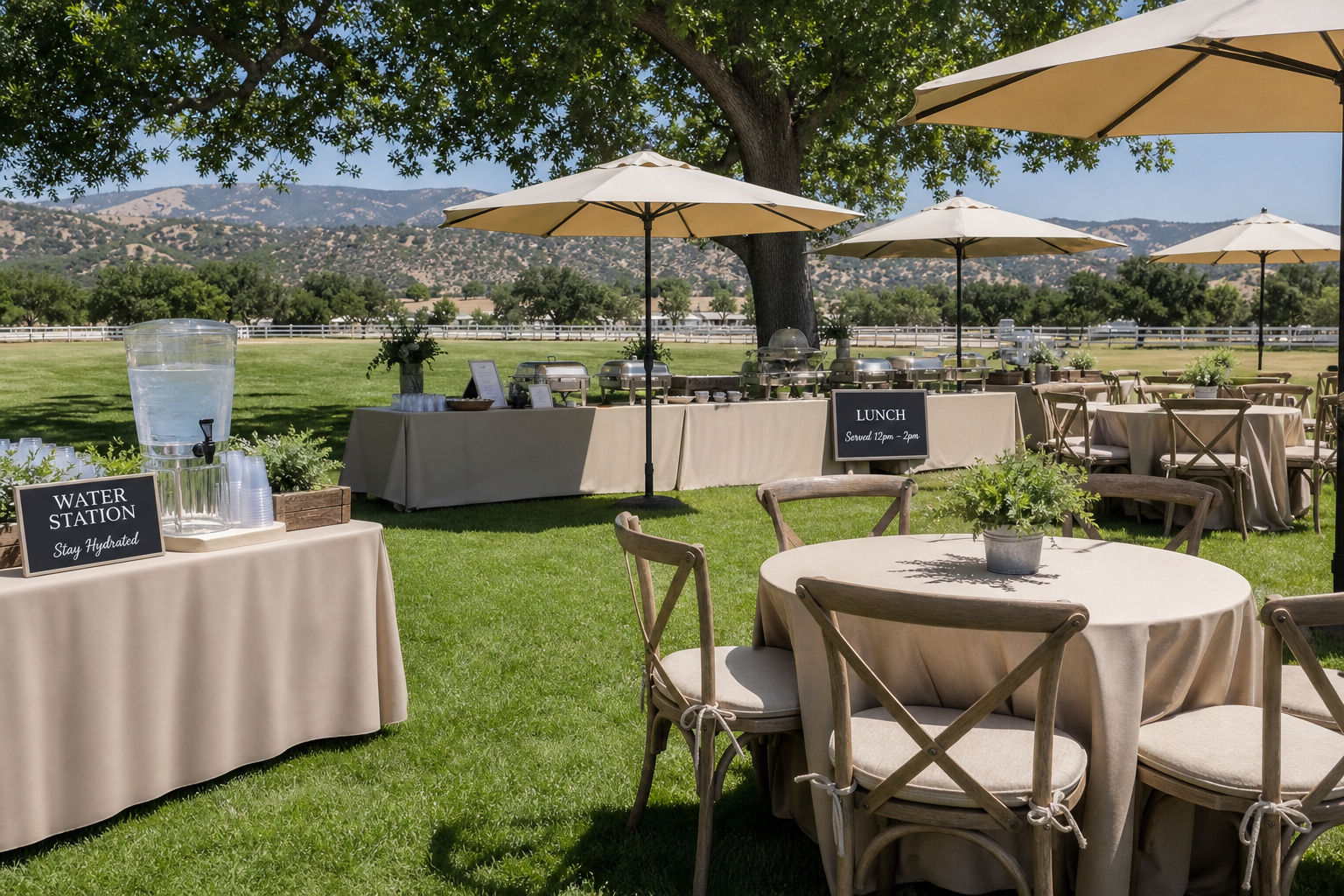
Beverage expectations at 11:00 a.m. are not the same as they are at 7:00 p.m. A successful daytime beverage plan usually starts with hydration and accessibility. Water should be visible and easy to grab. Coffee service should be intentional, not an afterthought, for morning events. Juice, tea, sparkling options, and nonalcoholic beverages often matter more than a dinner-style bar setup, especially at workplace events or family celebrations where guests want something refreshing but light.
If alcohol is part of the event, the schedule should account for moderation and meal timing. A brunch cocktail can work beautifully when it complements the menu and does not replace hydration. A lunch reception may be better served with a simpler beverage program that keeps lines shorter and the tone professional. The best setup is the one that supports the purpose of the gathering rather than competing with it.
Daytime events benefit from clearer transitions
Because daytime guests often have another commitment before or after your event, transitions need to be easy to understand. Guests should know where to check in, when food is available, where to sit, and whether there is a formal program. This is especially important for business owners hosting an open house, appreciation lunch, or client event. A steady flow of arrivals paired with visible food service reduces confusion and keeps the atmosphere welcoming. Our article on planning a corporate open house that encourages conversation, steady traffic, and smooth food service explores that approach in more detail.
For private events at homes, the schedule also has to work with the property itself. Parking access, HOA rules, neighborhood traffic, and truck placement can all affect when service should begin and how guests should move through the space. If you are hosting at home in Littleton, Parker, or Northglenn, it is smart to think through those details early. We cover that in event planning for events at homes with HOAs, including why access rules can change your timeline more than you expect.
A practical schedule for brunches, lunches, and daytime family events
A strong daytime event schedule usually feels simple to guests because the planning behind it is specific. In most cases, that means building around four anchors: guest arrival, first beverage access, food service start, and the natural close of the event. Brunches often need a gentle opening and a social middle. Lunch receptions need a quicker start and a cleaner ending. Family events usually need more flexibility, with room for arrivals, conversation, and second rounds without long waits.
- Open with easy beverage access and clear guest direction
- Begin food service early enough to match daytime appetite expectations
- Place speeches, recognitions, or formal moments after guests have settled
- Keep dessert or final coffee service simple so departures feel natural
- Leave a buffer at the end for cleanup, lingering guests, and vendor wrap-up
The Food Truck Family helps clients across Thornton, Denver, Aurora, and nearby communities build event plans that fit the time of day as well as the occasion. From workplace lunches to wedding brunches and backyard family celebrations, the goal is the same: create a timeline that supports guest comfort, efficient catering, and a better overall experience. When your event is not held at dinner time, the best results come from embracing the differences instead of planning as if it were an evening party.
Source: heat and health guidance