What to Ask Before Hiring an Event Planner for a Backyard Wedding or Private Party
What You'll Learn
- Compare planners by scope, not just price
- Understand who manages vendors and timelines
- Spot site logistics issues before event day
- Ask about insurance, permits, and backup plans
- Choose support that fits your home or venue
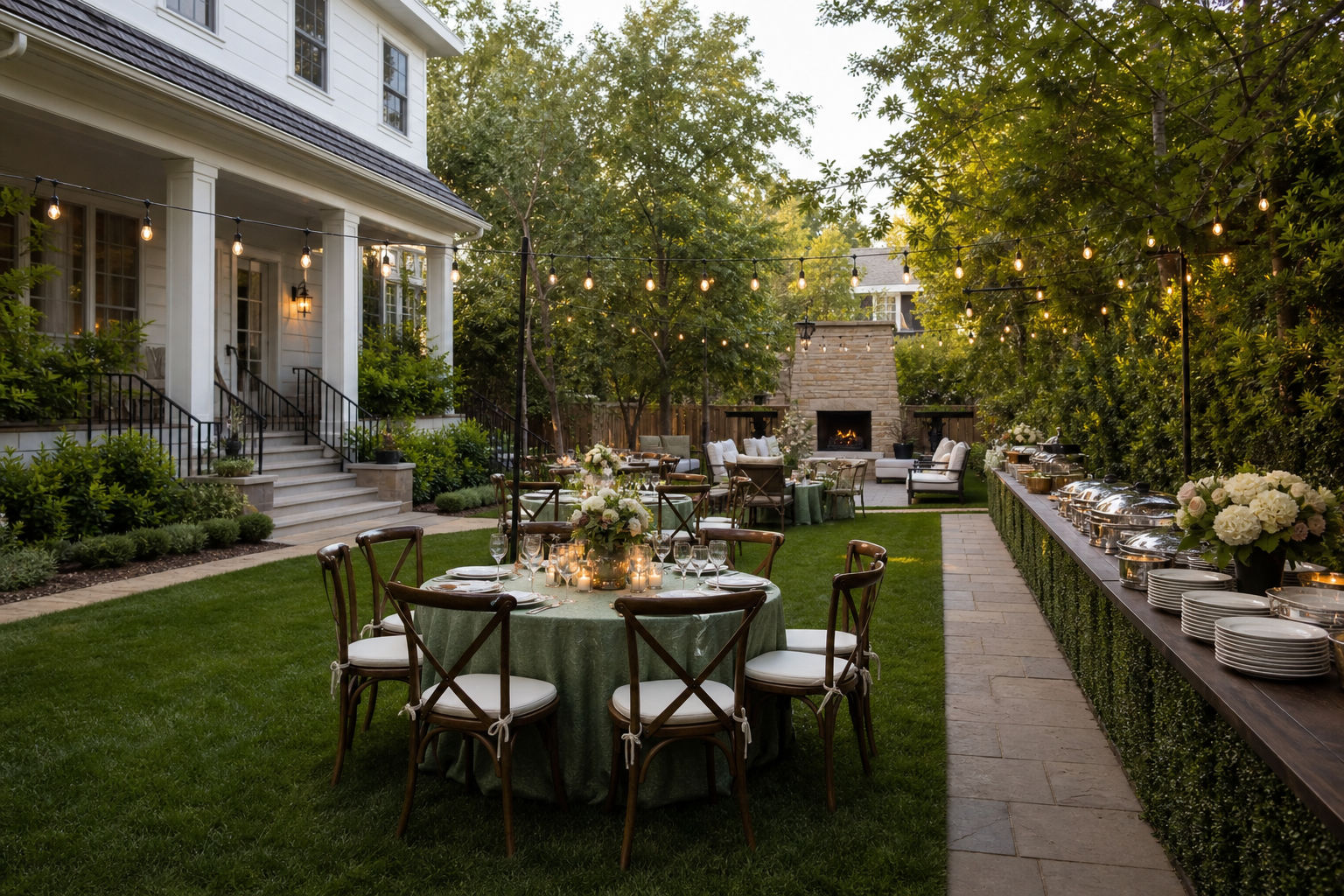
Hiring an event planner for a backyard wedding or private party can make the difference between a smooth, enjoyable event and a day filled with preventable stress. For homeowners and business hosts in Thornton, Denver, and Aurora, the right planner should do far more than create a pretty setup. They should clarify responsibilities, coordinate vendors, manage timing, and help you prepare for the realities of hosting on private property. Before you sign a contract, asking the right questions will help you compare planners with confidence and understand exactly what professional support includes.
Start With the Planner’s Exact Scope of Coordination
The first and most important question is simple: What exactly are you handling, and what still falls on me? Some planners provide full-service event management from concept through cleanup, while others focus on limited coordination, vendor communication, or day-of oversight. A backyard wedding in Westminster or a private party in Broomfield may look straightforward at first, but once rentals, catering access, power needs, seating flow, and guest arrival are involved, the details multiply quickly.
Ask whether the planner will build a master timeline, create a site layout, manage setup and breakdown, oversee guest flow, and serve as the main point of contact for vendors. If you are still deciding how much help you need, it can also be useful to read When to Hire an Event Planner for a Small Event and When You Can Keep Coordination Simple. That comparison helps hosts understand whether they need full planning support or a lighter coordination package.
- Do you offer full planning, partial planning, or event-day coordination?
- Will you create the production timeline and setup schedule?
- Who is on-site during the event, and for how long?
- Do you manage teardown, vendor departures, and final checklists?
Ask Who Manages Vendors and Communication
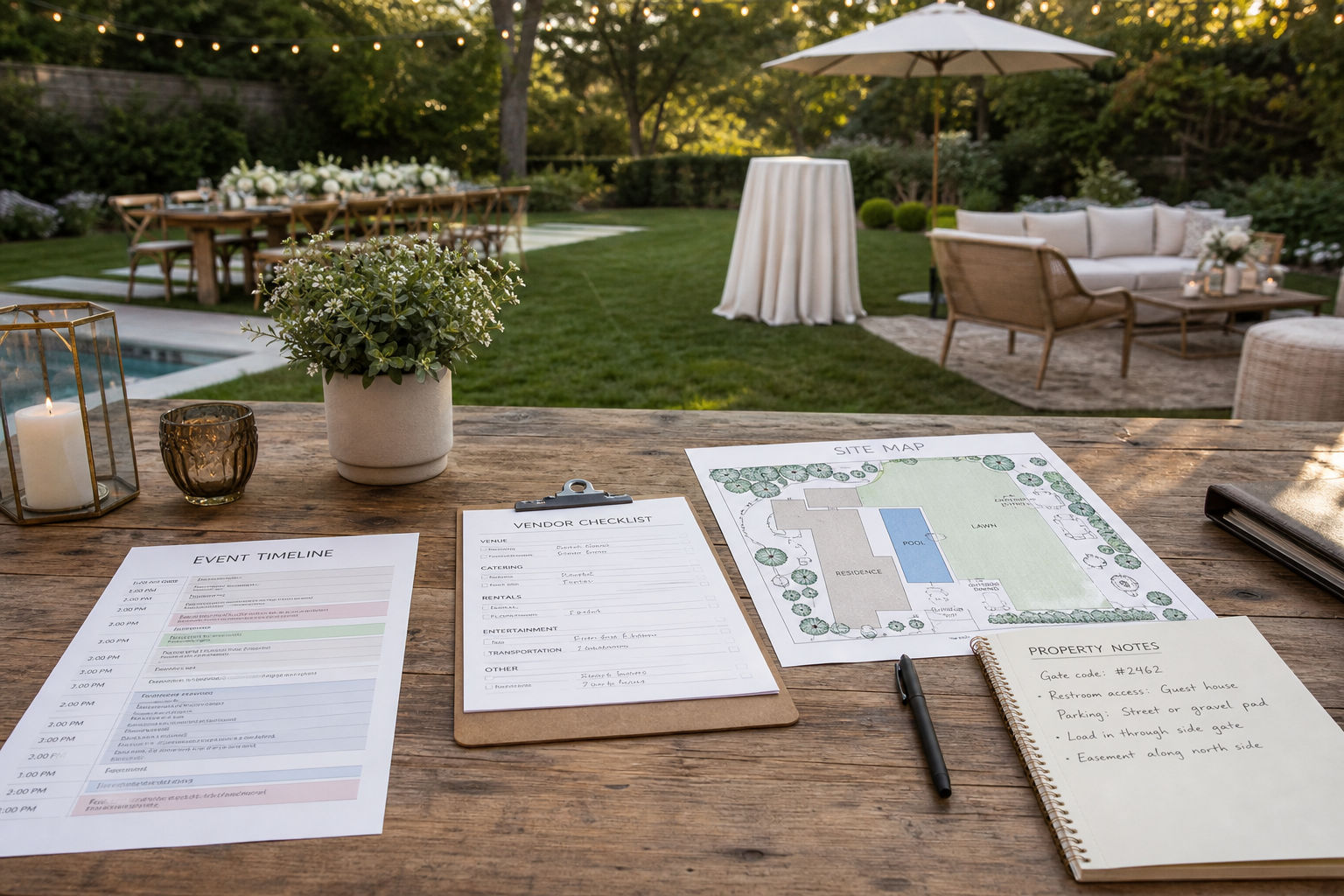
Many hosts assume every planner automatically handles vendor management, but that is not always true. For a private event with mobile catering, rentals, florals, entertainment, and bar service, someone needs to confirm arrival windows, placement, access instructions, and service timing. If your planner is not actively managing those details, you may end up fielding calls while trying to host your own event.
Ask whether the planner will communicate directly with your caterer, rental company, entertainment team, and any specialty vendors before the event. A strong planner should be able to align all moving parts into one realistic schedule. This matters even more when working with a mobile caterer, where parking position, service windows, and guest flow all affect the event experience. For a closer look at timing and service logistics, see How to Plan Guest Counts, Service Windows, and Seating for a Mobile Catered Event.
Review Site Logistics in Detail
Backyard weddings and private parties come with logistical challenges that do not always exist at traditional venues. Narrow gates, uneven ground, limited parking, neighborhood restrictions, power access, lighting, restroom planning, and weather exposure all need to be addressed in advance. In places like Northglenn, Arvada, and Lakewood, residential layouts vary widely, so a planner should be prepared to assess the site rather than rely on assumptions.
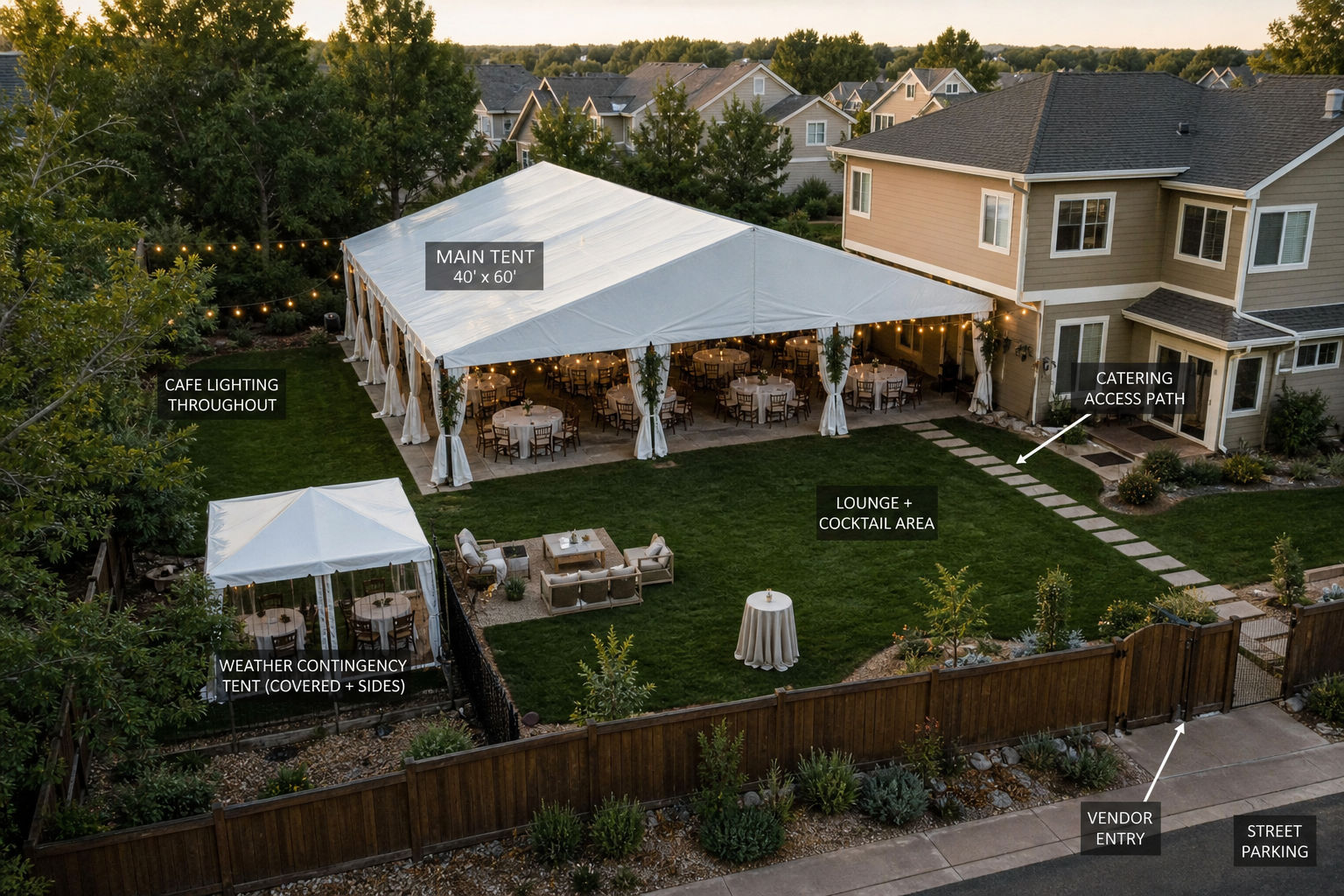
Ask whether the planner conducts a site visit and whether they create a formal layout for guest seating, catering position, bar setup, prep areas, waste stations, and backup weather options. A planner who can translate your property into a workable event plan is far more valuable than one who focuses only on decor. If you want to understand what this process should include, read How an Event Planner Builds a Site Plan for Private Events With Mobile Catering in Thornton and Denver.
- Will you visit the property before the event?
- Do you create a written site plan with vendor placement?
- How do you handle access, parking, and guest circulation?
- What site concerns do you look for at private homes?
Clarify Insurance, Permits, and Responsibility
Insurance and permitting questions can feel less exciting than menu planning or design, but they are essential. Ask whether the planner carries business liability insurance and whether they require certificates of insurance from vendors. If alcohol is involved, ask how bar service is structured and whether there are additional insurance or licensing considerations. Professional planners should also help identify where host responsibilities begin and end.
For backyard events in Denver, Commerce City, or Littleton, local rules can affect parking, noise, tenting, open flames, and service access. A planner may not pull every permit themselves, but they should be able to tell you what needs to be researched and who is responsible for doing it. Hosts often benefit from reviewing Permits, Neighborhood Rules, and Event Logistics: What Hosts in Thornton and Denver Should Handle Before a Private Event so they can ask more informed questions during consultations.
Discuss Setup Timing and Event-Day Execution
One of the clearest signs of an experienced planner is their ability to explain setup timing in a practical, detailed way. Ask when vendors will arrive, how long installation takes, when food service begins, when final checks happen, and who supervises transitions. This is especially important for backyard weddings, where ceremony, cocktail hour, and dinner may all happen on one property with limited room for error.
A planner should be able to explain how they sequence rental delivery, catering setup, guest arrival, and service flow without congestion. For weddings, timing between ceremony and meal service is especially important, and Planning a Wedding With Mobile Catering: How to Coordinate Ceremony Timing, Cocktail Hour, and Dinner Service offers useful context on what that coordination should look like. If the planner gives vague answers about setup or says they will “figure it out later,” that is a sign to ask more questions.
Ask About Backup Plans and Problem Solving
Every strong event plan includes contingencies. Weather changes, delayed rentals, power limitations, traffic issues, and vendor miscommunication can all affect a private event. The question is not whether surprises are possible, but whether your planner has a process for handling them. Ask what happens if it rains, if outdoor service needs to shift, if a vendor is late, or if guest counts change shortly before the event.
Professional planners should be able to walk you through backup layouts, communication chains, and decision deadlines. This level of preparation is especially valuable for larger celebrations in Centennial, Parker, Lone Tree, or Castle Rock where guest expectations are higher and event components are more layered. Corporate hosts planning employee gatherings may also want to review Company Picnic Planning in Denver and the North Metro Area: How to Keep Large Employee Events Organized for another example of how coordinated logistics support a better guest experience.
Questions That Help You Compare Planners More Confidently
As you compare options, focus less on broad labels like “planning” or “coordination” and more on specific responsibilities. Ask each planner the same core questions so you can evaluate their process consistently. The best fit is usually the planner who can explain their workflow clearly, identify risks early, and show how they support both vendors and hosts from setup through final wrap-up.
- What tasks are included in your planning or coordination package?
- How do you manage communication with caterers, rentals, and other vendors?
- Will you visit the site and create a layout or event plan?
- What insurance or documentation do you carry or require?
- How do you build setup timelines and supervise event-day execution?
- What backup plans do you prepare for weather or logistical issues?
Why These Questions Matter for Mobile Catering Events
For events involving mobile catering, planning quality directly affects service quality. Food truck and mobile catering setups depend on access, spacing, timing, utilities, and guest flow. A planner who understands those operational details can help prevent bottlenecks and protect the guest experience. That support is valuable whether you are hosting a wedding reception in Thornton, a graduation party in Wheat Ridge, or a private company event in Englewood.
The Food Truck Family supports local hosts with catering, mobile catering, event planning, and event management services across the Denver metro and north metro area. When you ask detailed questions before hiring a planner, you make it easier to build the right team from the start and create an event that feels organized, welcoming, and professionally executed.
Source: prepare for emergencies