Company Picnic Planning in Denver and the North Metro Area: How to Keep Large Employee Events Organized
What You'll Learn
- Build a site plan that improves flow and reduces bottlenecks
- Coordinate check-in, meals, and announcements with less confusion
- Create staffing and communication plans for smoother execution
- Prepare weather and attendance backups before event day
- Keep company picnics organized across Denver-area venues
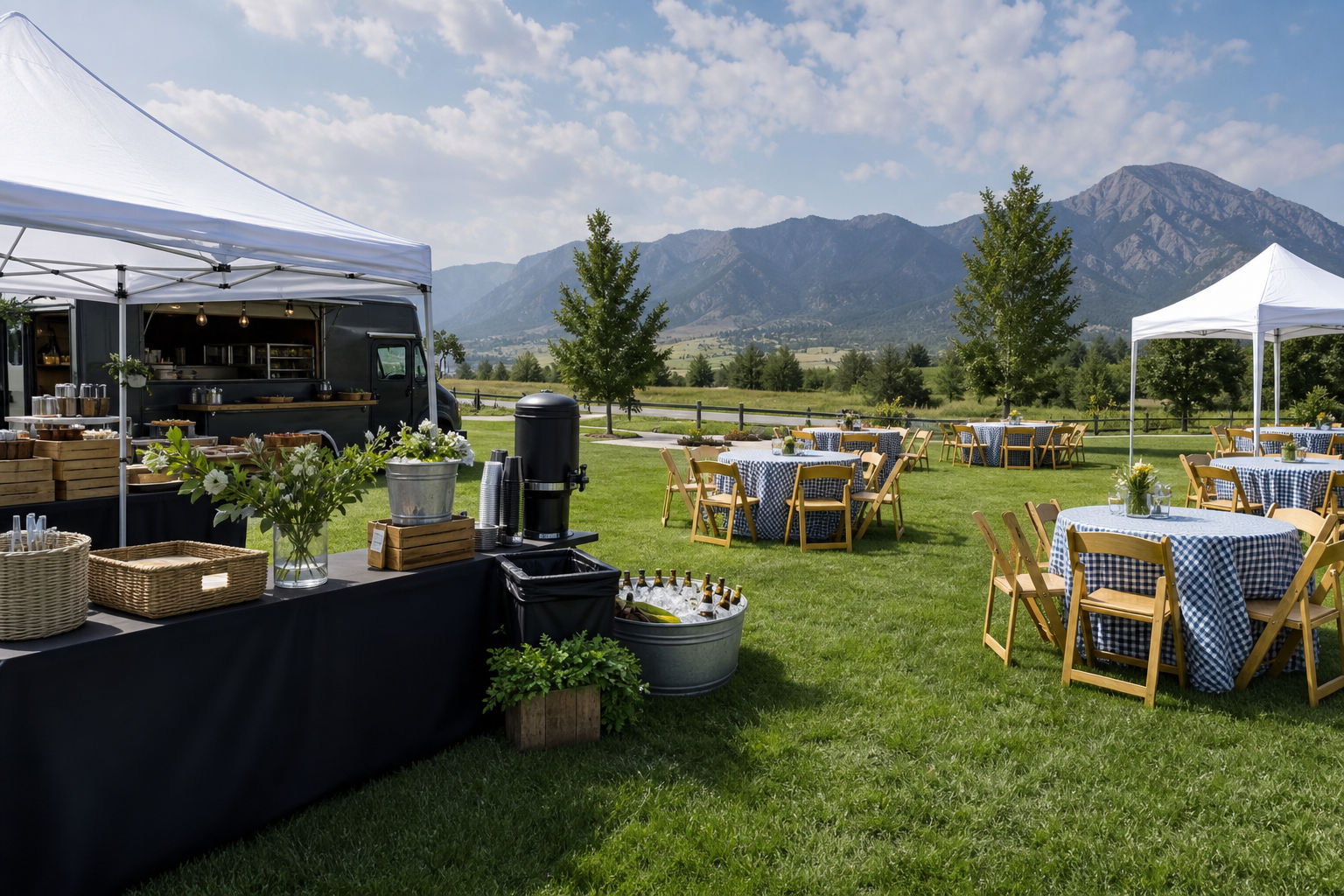
Company picnics, employee appreciation events, and office celebrations can do a lot for morale, but only when the event feels organized from the moment guests arrive. A well-run corporate gathering should feel easy for employees and low-stress for the host team, even when attendance is large and the venue is spread out. In places like Denver, Thornton, and Westminster, that usually means thinking beyond food alone and planning the full event flow: where people park, how they check in, when they eat, where lines form, and what happens if weather or timing changes.
As a mobile caterer and event planner, The Food Truck Family helps businesses structure gatherings so they are enjoyable without becoming chaotic. That includes layout planning, meal service coordination, on-site timing, vendor and staff communication, and practical contingency planning. For companies hosting events in parks, office campuses, private venues, or community spaces across Aurora, Broomfield, and Northglenn, the goal is simple: create an experience that feels relaxed because the logistics are already handled.
Start with a site plan, not just a menu
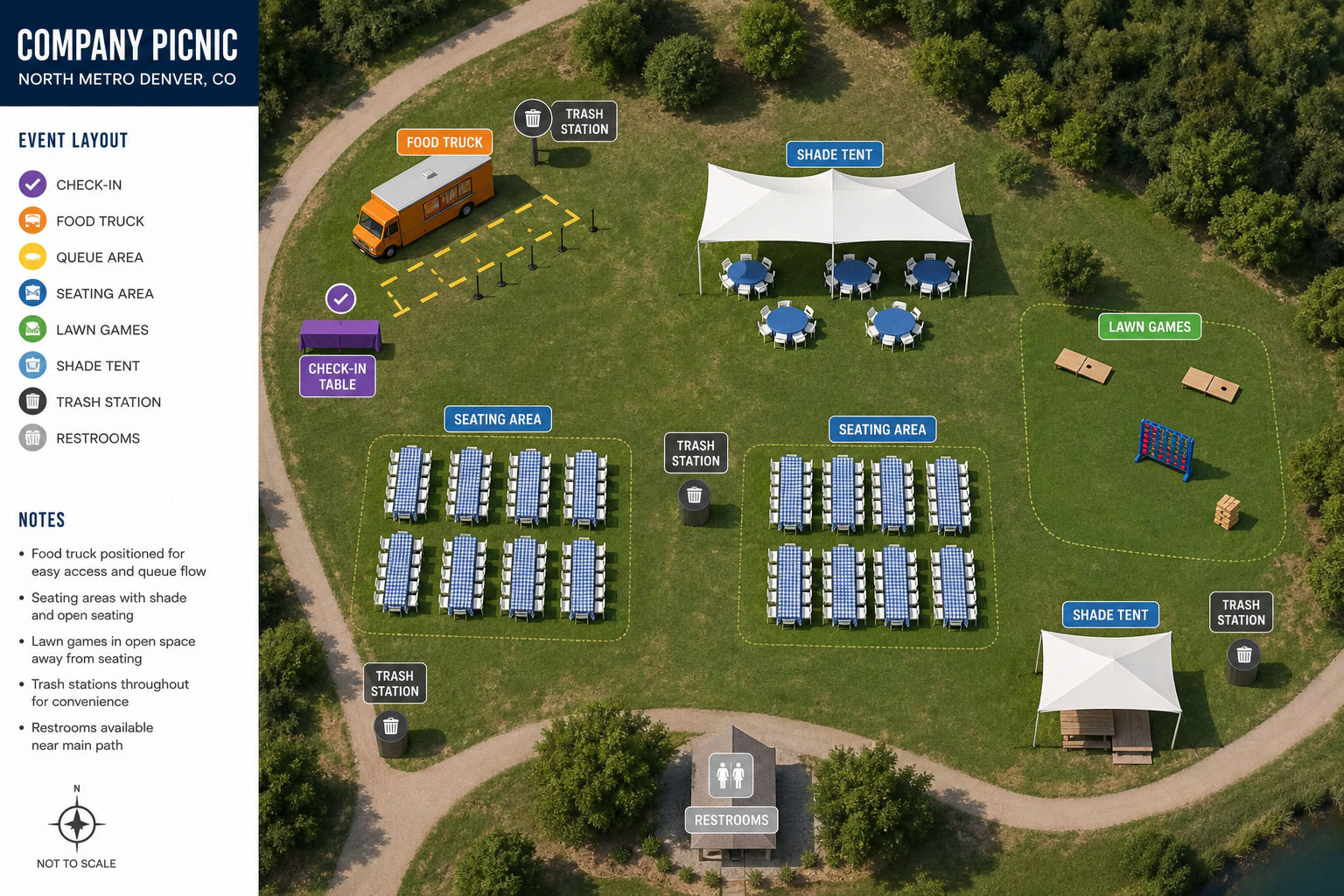
One of the most common mistakes in corporate event planning is focusing first on food choices and waiting too long to map the site. For large employee events, the layout often determines whether the day feels smooth or disorganized. Food trucks, buffet stations, beverage tables, seating clusters, lawn games, shade, trash stations, and check-in all need to work together instead of competing for the same space.
A strong site plan considers arrival patterns, walking distances, ADA access, line direction, power needs, and how guests will move between activities. It also helps prevent issues like long meal lines blocking entertainment areas or employees wandering the property unsure where to go. If you want a deeper look at how layout affects private and corporate events, see How an Event Planner Builds a Site Plan for Private Events With Mobile Catering in Thornton and Denver.
- Place check-in near arrival, but away from meal lines
- Keep food service accessible without blocking gathering areas
- Group seating, shade, and beverage stations for comfort
- Add clear trash and recycling points near high-traffic zones
- Leave room for announcements, awards, or team activities
Plan check-in so the event starts calmly
Check-in sets the tone. If guests arrive to unclear parking, missing signage, or a congested entrance, the event can feel disorganized before it even begins. For employee appreciation events and office celebrations, check-in should be simple, visible, and fast. Depending on the event size, that may mean separate lines by department, pre-issued meal tickets, guest list stations, wristbands, or digital confirmation handled by a designated welcome team.
Good check-in planning also supports the rest of the event. If your company is offering raffles, drink tickets, family activity access, or branded welcome bags, those pieces should be integrated into the arrival process rather than added as last-minute extras. For larger events in Denver or Commerce City, it is especially helpful to assign one person to oversee arrivals while another monitors early food readiness and vendor setup. That separation keeps small issues from stacking up all at once.
Meal timing is one of the biggest drivers of event flow
At company picnics, meal timing affects nearly everything else: speeches, games, family activities, and how long people stay. If food opens too early, guests may scatter before announcements. If it opens too late, lines get longer and people become impatient. The best timing usually depends on attendance, service style, and whether your event includes a formal program.
With mobile catering, timing should account for service capacity, menu complexity, and how quickly guests can be released to eat. In some cases, staggered meal windows by team or activity group work best. In others, opening multiple service points helps reduce congestion. This is where an event planner adds value: connecting kitchen readiness to guest movement, not treating them as separate tasks. Many of the same coordination principles apply across event types, as discussed in Questions an Event Planner Will Ask Before Coordinating a Wedding, Private Party, or Corporate Gathering.
Helpful meal timing questions to answer early
- How many guests are expected at peak meal time?
- Will everyone eat at once or in waves?
- Does the program need to happen before or after service?
- Are there VIPs, kids, or teams that need priority access?
- How will dietary requests be identified and communicated?
For office celebrations in Arvada, Lakewood, or Littleton, even a casual event benefits from a written service timeline. A short run-of-show with food start times, announcement windows, and cleanup milestones gives hosts a realistic framework and helps vendors stay aligned.
Staff communication keeps small issues from becoming event-day problems
Large employee events often involve several moving parts at once: caterers, internal company contacts, venue staff, entertainment, rental providers, and volunteer teams. Without a communication plan, people make assumptions, duplicate tasks, or miss key timing changes. That is often when lines form unexpectedly, supplies run short, or announcements happen while guests are still waiting for food.
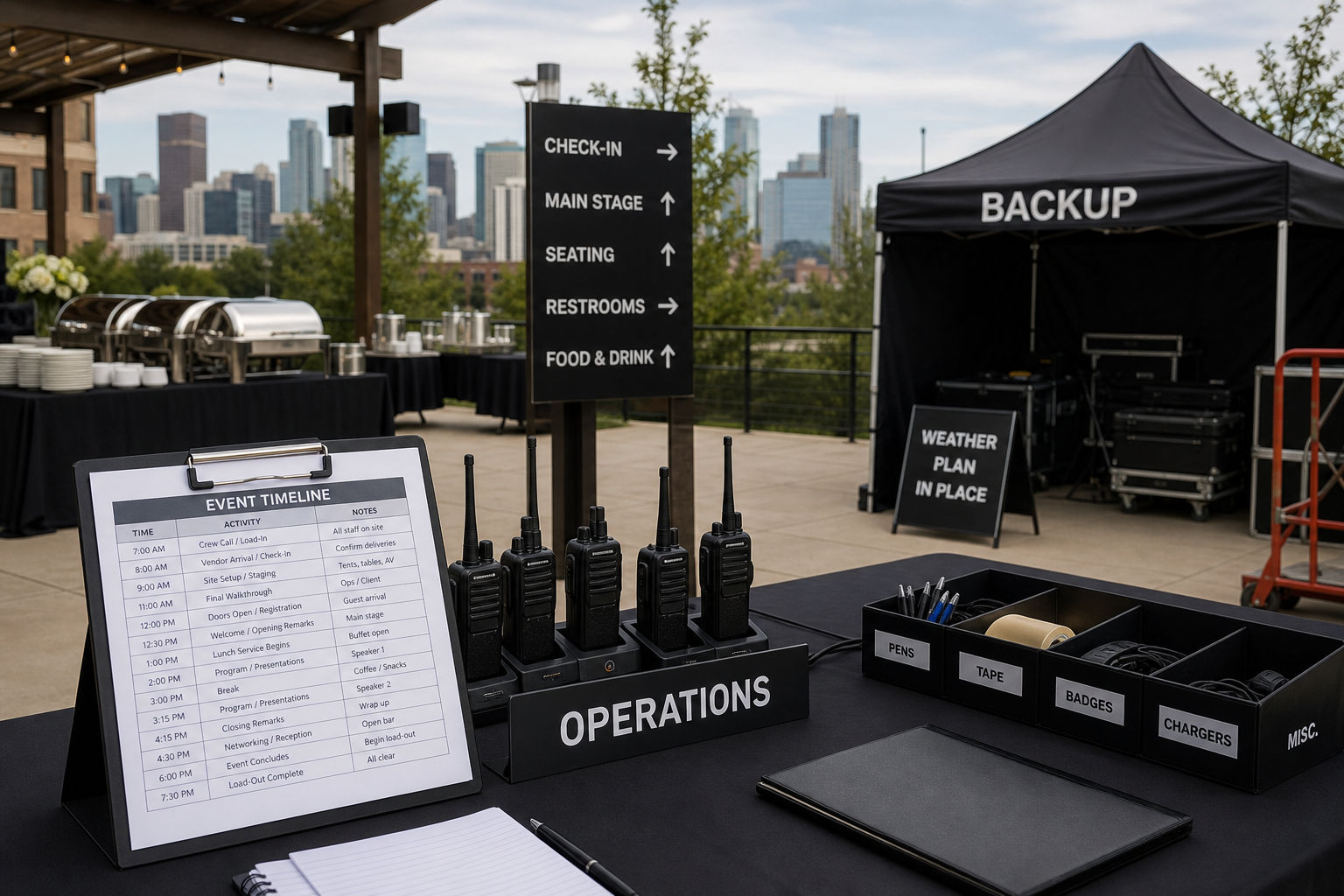
A simple communication structure can prevent most of that. Identify one lead contact for the company, one lead for catering, and one person responsible for on-site guest flow. Share a final event timeline in advance, confirm who approves changes, and decide how updates will be communicated during setup and service. For some gatherings, that is as simple as a group text and printed timeline. For larger events in Brighton, Centennial, or Parker, radios or designated zone leads may be more practical.
If you are not sure how much coordination your event needs, it helps to compare the size and complexity of your plans to the level of support available. When to Hire an Event Planner for a Small Event and When You Can Keep Coordination Simple offers a useful way to think about that decision. Corporate events often seem casual on paper, but once guest counts, service timing, activities, and venue logistics are added, they usually benefit from structured oversight.
Build contingency plans before you need them
In the Denver and North Metro area, weather is one of the biggest variables in outdoor event planning. Wind, heat, sudden rain, and temperature swings can affect seating, service, guest comfort, and equipment. A contingency plan should cover more than a generic rain backup. It should address how the event layout changes, whether service times shift, what equipment needs protection, and how guests will be informed.
Attendance changes are another common issue. Employee events can grow quickly when families are invited or shrink when schedules change at the last minute. Planning for realistic attendance ranges helps with food production, line management, seating, and staffing. The same is true for venue restrictions, parking limitations, and permit requirements, especially in public spaces or shared commercial sites.
- Weather backup for shade, rain, wind, and temperature shifts
- Alternative service flow if lines become too long
- Extra signage for parking and directional changes
- Clear plan for dietary needs and late guest arrivals
- Defined cleanup and breakdown responsibilities
Why businesses choose an event planner for company picnics
A company picnic should not require your internal team to spend the day solving logistics instead of enjoying the event. That is why many businesses turn to a planner who can coordinate the moving pieces before and during the gathering. The value is not only in creating a schedule. It is in making sure the schedule matches the venue, the guest count, the catering setup, and the goals of the event.
The Food Truck Family supports corporate gatherings as both a mobile caterer and event planner, which helps connect service execution with the bigger picture. Instead of treating food, layout, and timing as separate decisions, the planning process brings them together into one organized event plan. For businesses in Thornton, Denver, Aurora, and surrounding communities, that means fewer surprises, clearer communication, and a more polished experience for employees and guests.
If you are planning an employee appreciation event, office celebration, or large company picnic, structured coordination can make the difference between a day that feels hectic and one that feels effortless. When the site plan is clear, check-in is smooth, meal timing is realistic, staff know their roles, and backup plans are ready, the event becomes easier for everyone involved.
Source: OSHA heat illness prevention guidance