Permits, Neighborhood Rules, and Event Logistics: What Hosts in Thornton and Denver Should Handle Before a Private Event
What You'll Learn
- Avoid last-minute shutdowns with a practical pre-event checklist
- Understand permits, HOA rules, and venue policy before booking
- Plan parking, truck access, and guest flow for smoother service
- Reduce neighborhood complaints with better timing and communication
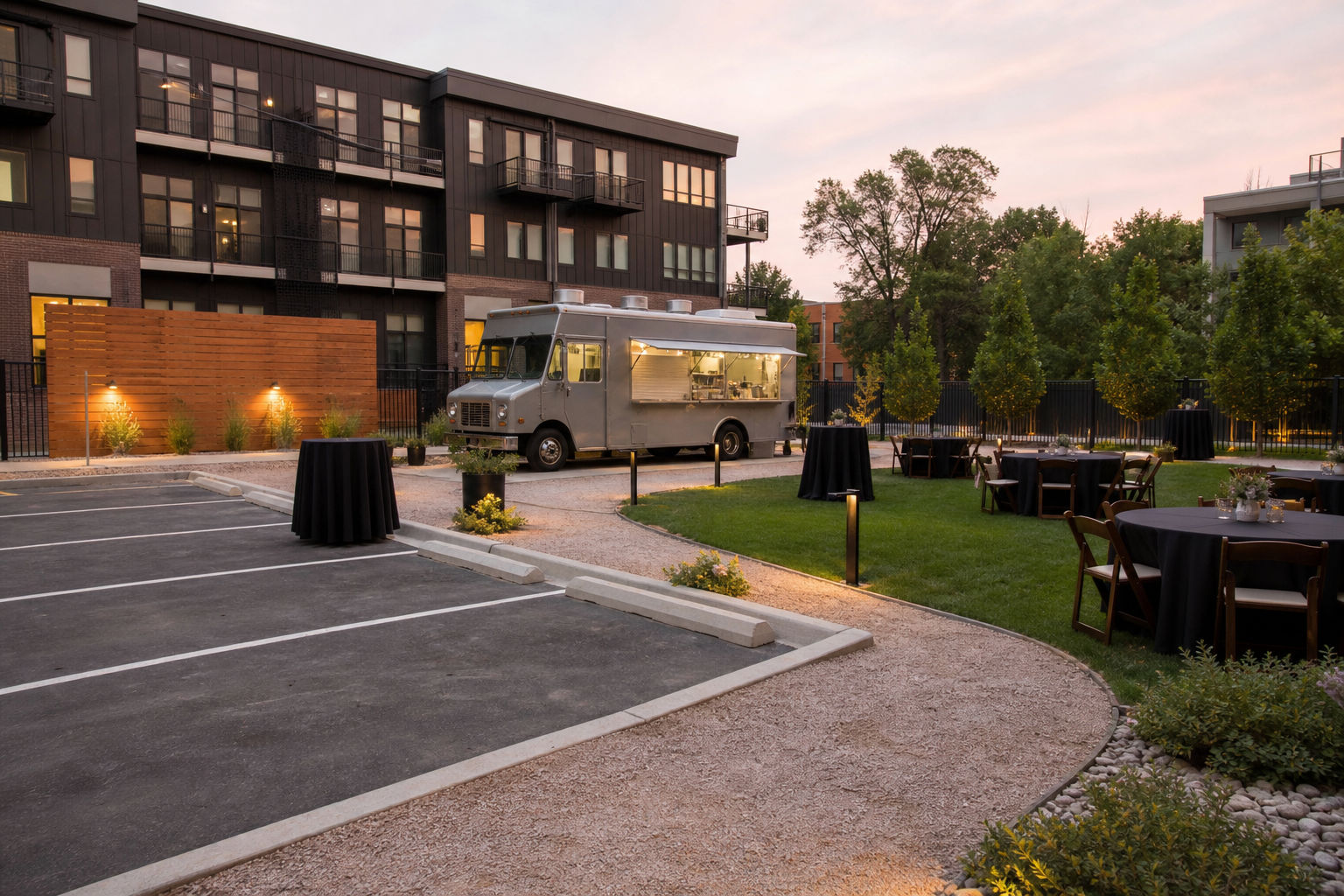
Private events with mobile catering can feel simple at first: choose a date, invite guests, and arrange food service. In practice, homeowners and business owners in Thornton, Denver, and nearby communities often run into issues that have nothing to do with the menu. A food truck or mobile catering setup may need clear access, adequate parking, permission from property managers, compliance with HOA rules, and a realistic plan for guest arrival and service flow. When those details are missed, the result can be delayed setup, neighbor complaints, or in some cases a forced change on event day.
This is where an experienced event planner adds real value. For private parties, weddings, company gatherings, and neighborhood events, planning support helps hosts identify restrictions early and solve them before they become emergencies. The Food Truck Family works with clients across Thornton, Denver, Aurora, and Westminster to coordinate the practical side of mobile service so events can move forward with fewer surprises. The goal is not to overcomplicate the event. It is to make sure the location, rules, and logistics actually support the experience you want to create.
Start with the property, not the menu
One of the most common planning mistakes is confirming food service before confirming whether the property can support it. A private home, office lot, shared commercial property, school, church, or community clubhouse may all have different operating rules. Hosts should first ask whether mobile catering is allowed on-site, where service can take place, and whether the property owner or manager requires advance approval. If the event is in a neighborhood with an HOA, separate restrictions may apply even when the homeowner wants to host on their own property.
For example, a residential event in Broomfield or Northglenn may be affected by HOA quiet hours, guest parking limitations, or rules about commercial vehicles. A business event in Denver may involve loading zone restrictions, shared parking arrangements, or building management approval. Planning begins by identifying who controls the site and what documentation or permissions are needed. This is also why a site plan matters. If you want a deeper look at how layout decisions affect access and operations, see How an Event Planner Builds a Site Plan for Private Events With Mobile Catering in Thornton and Denver.
- Confirm who has authority to approve mobile service at the location
- Ask about commercial vehicle access and setup areas
- Review noise, timing, and cleanup rules before sending invitations
- Document any approvals in writing when possible
Permits and approvals vary by event type
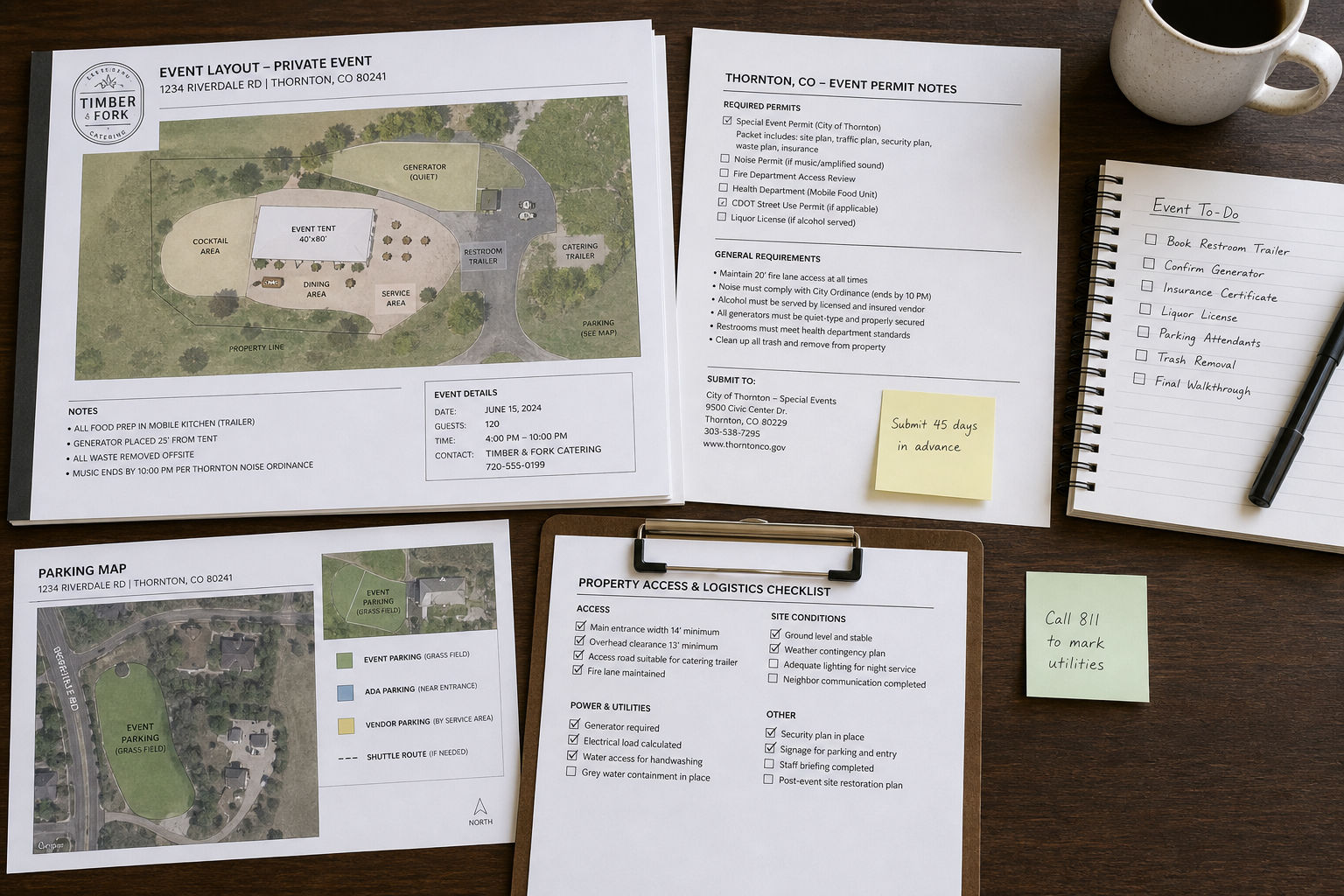
Not every private event needs the same level of permitting, but hosts should never assume that "private" means "no rules." The need for permits may depend on where the event is held, whether streets or sidewalks are affected, whether alcohol is being served, whether tents or temporary structures are installed, and how many guests are expected. In some cases, the caterer handles its own operating requirements while the host remains responsible for site-related permissions. Those are separate issues, and both need attention.
An event planner helps sort out that distinction early. For a backyard celebration in Thornton, the main issue may be neighborhood access and parking management. For a larger corporate gathering in Denver or Lakewood, there may be venue contracts, fire lane restrictions, and insurance requirements. For school, HOA, and community settings, approval chains can be longer and more formal. Hosts planning those types of events may also benefit from Event Planner Advice for HOA, School, and Community Events Using Mobile Catering, which explains how oversight and shared-property rules affect planning.
Parking, truck placement, and guest access can make or break service
Mobile catering needs more than a place to stop. The service vehicle may need enough turning radius, a level setup area, clearance from low branches, distance from fire lanes, and room for guests to queue without blocking driveways or entrances. Hosts should also think through how deliveries, rentals, and guest arrival overlap. A truck placed in the wrong spot can disrupt traffic flow, create safety issues, or cause delays that ripple through the whole event.
For homeowners, this often means evaluating the street in front of the property, nearby guest parking, and whether neighbors will be affected by concentrated vehicle traffic. For commercial hosts in Aurora, Arvada, or Commerce City, it may involve coordinating with property management so the truck does not conflict with customer parking, loading docks, or building access. An event planner can map these movements in advance and build a realistic service window instead of assuming everything will sort itself out on arrival.
These details become even more important when timing is tight. Weddings, employee events, and milestone parties often have multiple transitions, such as ceremony to cocktail hour, speeches to dinner, or guest arrivals during setup. Related planning guidance in Planning a Wedding With Mobile Catering: How to Coordinate Ceremony Timing, Cocktail Hour, and Dinner Service and Company Picnic Planning in Denver and the North Metro Area: How to Keep Large Employee Events Organized shows how site logistics and event timing need to support each other.
Venue policies and neighborhood expectations should be addressed early
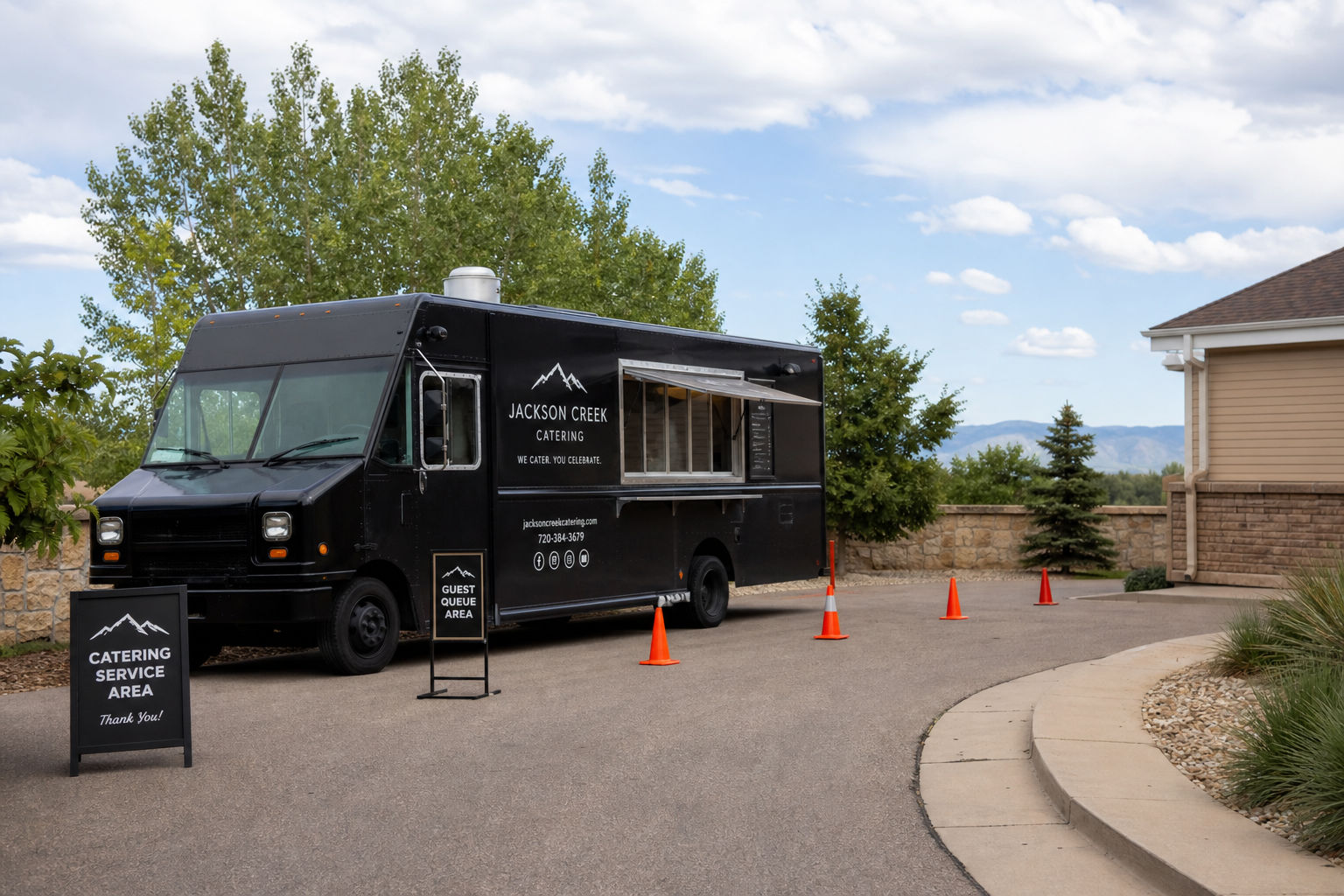
Even when an event is allowed, hosts still need to operate in a way that respects the property and surrounding area. Venue policies may limit generator use, trash handling, service hours, open flame equipment, or where guests may eat and gather. In residential settings, neighbors are more likely to complain when they are surprised by noise, blocked parking, or late-night cleanup activity. Many preventable issues come down to communication and scheduling.
A planner helps hosts build a pre-event communication plan that matches the setting. That may include notifying neighbors about event timing, designating guest parking away from key access points, using signage to direct arrivals, and setting a clear end time for amplified sound or outdoor activity. In communities such as Littleton, Brighton, or Centennial, where residential streets and shared amenities can be sensitive points, this level of planning can protect the event from unnecessary friction.
Questions hosts should answer before event week
- Where exactly will the mobile caterer park and serve?
- Is written approval needed from an HOA, landlord, or venue manager?
- Will guest parking affect neighbors, tenants, or normal business operations?
- Are there quiet hours, cleanup deadlines, or generator restrictions?
- How will guests find the service area without creating crowding or confusion?
- Who is the day-of contact if access or policy questions come up?
Why planning support matters for small events too
Hosts sometimes assume event planning is only for large weddings or major corporate functions. In reality, smaller private events can be the easiest to underestimate because they often happen at homes or informal venues with less built-in infrastructure. A birthday party, graduation, retirement event, or client appreciation gathering may still need a parking plan, an approved service location, and a schedule that works for both guests and the caterer. If you are deciding how much coordination your event really needs, When to Hire an Event Planner for a Small Event and When You Can Keep Coordination Simple offers a useful framework.
The value of planning is not just compliance. It is also efficiency. When approvals are secured, access is clear, and guest flow is organized, service starts on time and the host is not pulled into operational problems during the event. That is especially important for business owners who want to focus on clients or staff, and for homeowners who want to enjoy their guests instead of directing traffic from the driveway.
A better pre-event process for Thornton and Denver hosts
The best private events look effortless because the groundwork is done early. Before confirming a mobile catering date, hosts should review site permissions, identify local or property-specific restrictions, confirm access and parking, and set expectations for guests and nearby neighbors. An experienced team can walk through those issues, spot conflicts, and create a practical plan that fits the property. That kind of preparation reduces risk, protects the guest experience, and helps avoid the avoidable problems that lead to delays or complaints.
For homeowners and business owners in Thornton, Denver, Westminster, Aurora, and surrounding areas, The Food Truck Family provides more than food service. With event planning and event management support, the team helps clients think through the real-world logistics that affect private events with mobile catering. When the site, rules, and schedule are aligned, your event has a much stronger chance of running smoothly from setup through cleanup.
Source: Denver permits and licenses