What Local Business Owners Should Prepare Before Hiring an Event Planner for a Company Picnic or Employee Appreciation Event
What You'll Learn
- Give planners the right details early to avoid delays and surprises
- Set budget priorities that improve food, flow, and guest experience
- Plan site access, timing, and service windows for smoother catering
- Build a weather backup plan before invitations and rentals are finalized
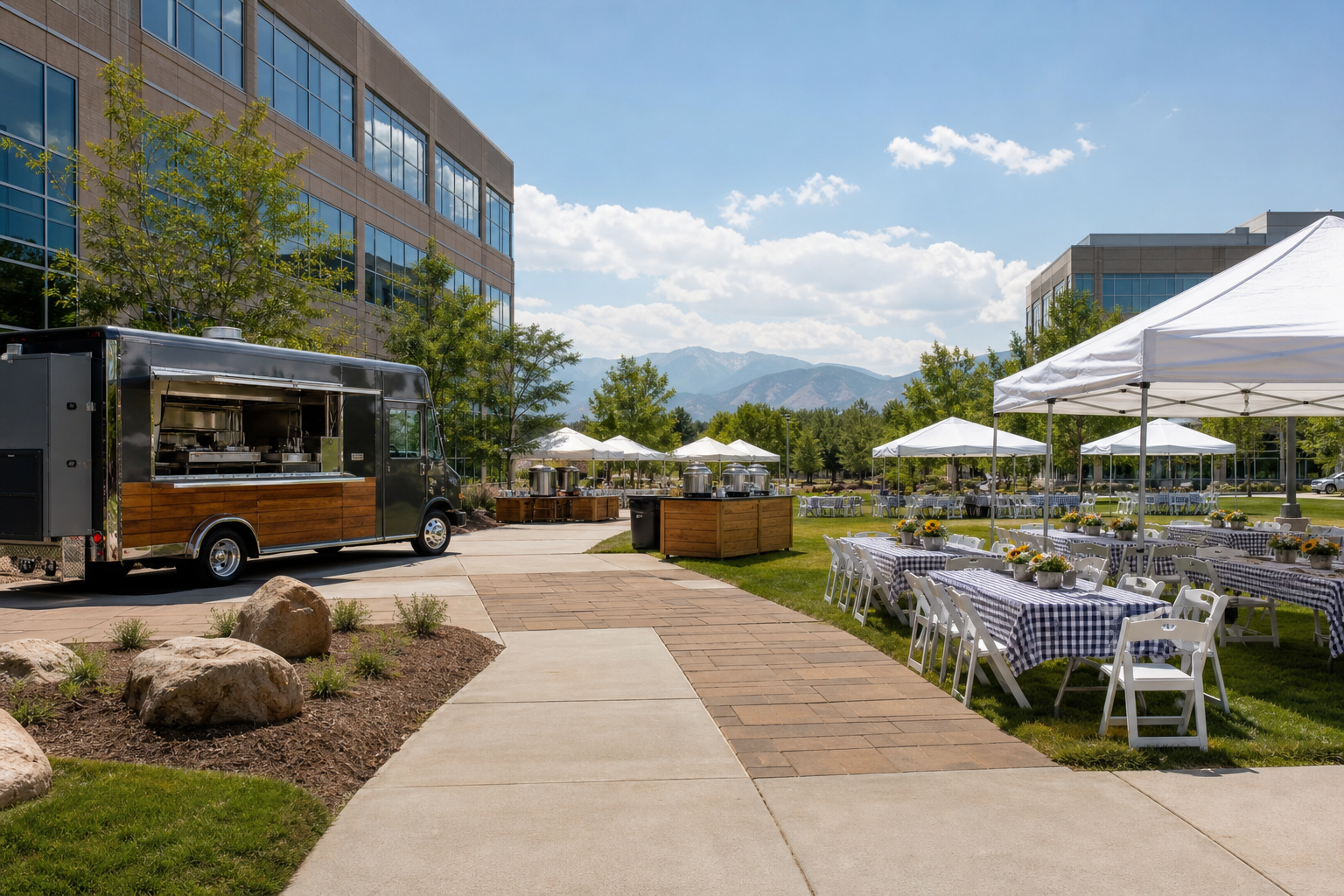
A successful company picnic or employee appreciation event rarely comes down to food alone. It depends on how well the event is scoped before vendors arrive, how clearly the schedule is built, and how thoroughly site logistics are handled in advance. For local businesses in Thornton, Denver, and Aurora, early preparation gives your event planner the information needed to create a realistic plan, coordinate mobile catering efficiently, and deliver a better employee experience from arrival through the last plate served.
When a business reaches out to a mobile caterer and event planner like The Food Truck Family, the most productive conversations happen when decision-makers already understand the basics they need to provide. That does not mean every detail must be finalized on day one. It means your planner should receive the key operational facts early enough to shape menu recommendations, service timing, equipment needs, staffing, and contingency planning. The better your preparation, the easier it is to avoid rushed changes that can affect catering flow, guest comfort, and overall event quality.
Start With a Realistic Headcount
The first number an event planner needs is not a rough guess like “around 100.” It is the most accurate working headcount you can provide, along with what type of guests will attend. Are you planning for employees only, or are spouses, children, leadership teams, vendors, and retirees included? A family-friendly picnic in Westminster or Broomfield can look very different from a weekday employee appreciation lunch in Lakewood.
Headcount affects nearly every planning decision: food quantities, truck capacity, menu style, staffing levels, beverage setup, seating, and service pace. If attendance is uncertain, give your planner a best estimate, a minimum, and a likely final count date. This helps prevent under-ordering and avoids paying for a setup that is either too small or unnecessarily oversized. If you need help thinking through service flow, our related post How to Plan Guest Counts, Service Windows, and Seating for a Mobile Catered Event offers a useful framework.
- Estimated attendance and final RSVP deadline
- Whether guests include families, kids, or outside partners
- Any dietary restrictions or menu sensitivities
- Whether guests will arrive all at once or in waves
Clarify the Event Site and Access Conditions
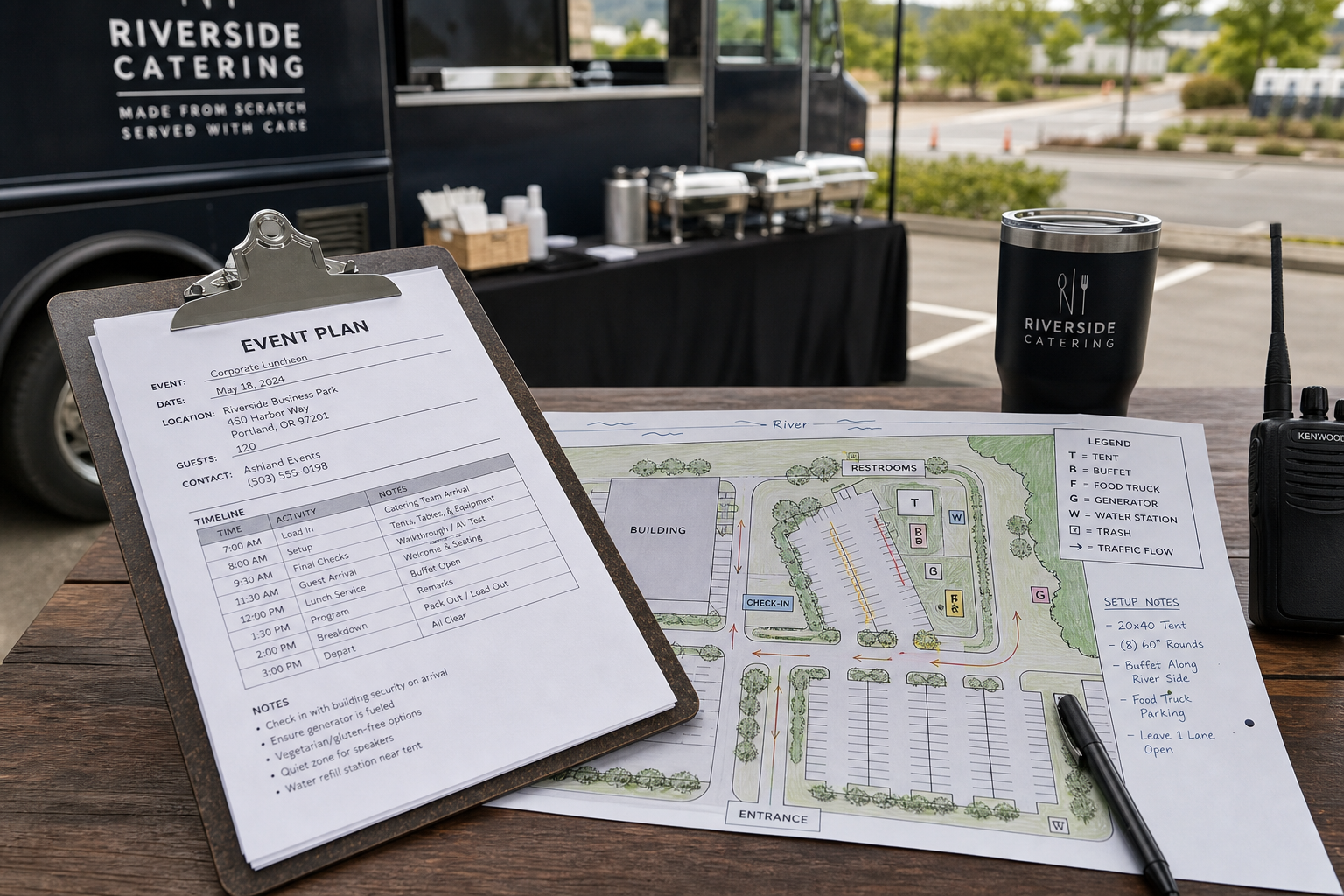
Mobile catering and event planning work best when the site is described clearly from the beginning. A planner needs to know where the event will take place, whether it is on private company property, in a park, at a rented venue, or in a mixed-use commercial area. A company picnic in Northglenn may have easy parking lot access for a food truck, while a corporate event in downtown Denver may involve loading limits, narrow access points, building rules, or restricted service areas.
Important site details include vehicle access, parking, setup distance, power availability, restroom access, shade, seating surfaces, and whether the location requires permits or prior approval. If your business is hosting on-site, confirm who can authorize use of the property and whether facilities or operations teams need to be involved. If the event is off-site, check venue rules before your planner designs the service layout. Businesses in Thornton and Denver often benefit from reviewing the same logistics issues covered in Permits, Neighborhood Rules, and Event Logistics: What Hosts in Thornton and Denver Should Handle Before a Private Event, because many of the same operational questions apply to corporate gatherings.
Set Timing Expectations Before Menus and Layouts Are Finalized
Event timing is more than the start time on the invitation. Your planner needs to know when vendors can arrive, when setup may begin, when employees will actually be released to eat, and when cleanup must be complete. A one-hour appreciation lunch for staggered employee groups in Commerce City requires a different service model than a three-hour picnic with games and speeches in Arvada or Littleton.
Share the full event schedule, including check-in, remarks, awards, team activities, and any moments when food service should pause or accelerate. This allows your planner to recommend the right service window, menu format, and staffing pattern. If your company wants short lines and a more relaxed atmosphere, the service plan should reflect that from the beginning rather than being adjusted at the last minute.
Questions to answer before your first planning call
- What time can vendors access the site?
- When should food service begin and end?
- Will all guests eat at once or by department shifts?
- Are speeches, awards, or activities scheduled during service?
- What is the required breakdown and exit time?
Decide What Matters Most in Your Budget
Many business owners make the mistake of asking for a quote before deciding what they want the budget to accomplish. A planner can guide options, but your team should identify priorities first. Is the goal to maximize meal quality, create a fun branded atmosphere, keep lines moving quickly, include family entertainment, or stay within a fixed per-person range? Clear priorities help your planner allocate resources where they will have the strongest impact.
For example, if employee experience is the top objective, your planner may recommend investing in smoother service flow, shaded seating, beverage support, and a menu that works well for a broad audience. If budget control is the main concern, the event may be designed around a tighter service window, a simpler layout, or a more focused menu. Neither approach is wrong, but planners need to know which tradeoffs are acceptable. Businesses in Centennial, Parker, and Lone Tree often find that a clear budget brief leads to faster decisions and fewer revisions.
If your event shares characteristics with private celebrations, some planning principles are similar. Our post What to Ask Before Hiring an Event Planner for a Backyard Wedding or Private Party is focused on residential events, but it reinforces an important point for business clients too: the more clearly you define expectations early, the more effectively your planner can build the right event structure.
Prepare a Weather Backup Plan Before You Need One
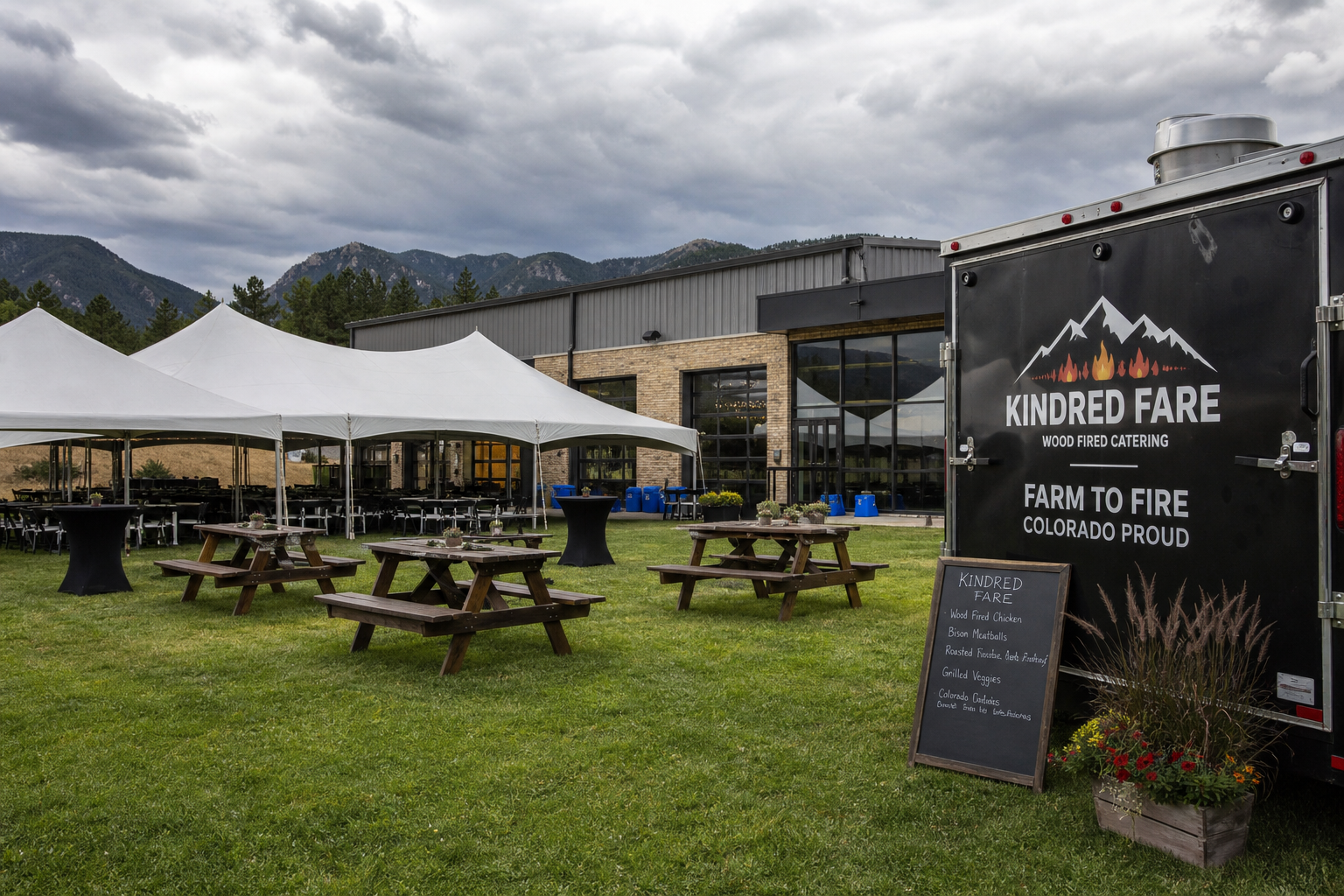
Colorado weather can change quickly, and outdoor company events should never rely on a last-minute weather decision. If your picnic or appreciation event is scheduled in Brighton, Englewood, or Castle Rock, your planner should know from the outset what the backup plan is for rain, heat, wind, or sudden temperature drops. Waiting until the forecast turns can limit rental availability, compress setup windows, and create unnecessary stress for both your internal team and vendors.
A strong backup plan answers practical questions: Will the event move indoors, shift under tents, relocate to another site, or proceed with a modified layout? Who has authority to make the call, and by when? What parts of the experience are essential to preserve if weather changes the format? For more on outdoor planning in this region, see Rain, Wind, and Heat: Event Planning Strategies for Outdoor Celebrations in Colorado.
- Identify an indoor or covered backup option
- Set a weather decision deadline with stakeholders
- Confirm how catering service changes under the backup plan
- Communicate contingency steps to employees in advance
Assign One Point of Contact and Speed Up Approvals
Even well-funded events can become difficult when too many people are making piecemeal decisions. Your planner should know who has authority to approve headcount changes, menu direction, site logistics, and schedule updates. A single internal point of contact keeps communication clear and helps avoid conflicting instructions. This is especially important for multi-location companies hosting events across Aurora, Westminster, or Dacono where operations, HR, and leadership may all be involved.
It also helps to gather internal approvals early on insurance requirements, vendor access procedures, employee communications, and any branded elements your company wants included. When these items are delayed, planners often have to hold tentative assumptions longer than they should, which can affect timelines and coordination. Efficient approvals create a smoother catering process and a more polished guest experience on event day.
Better Preparation Creates Better Employee Events
Hiring an event planner is not just about outsourcing tasks. It is about giving an experienced partner the information needed to make smart recommendations early, reduce friction on event day, and create a more enjoyable experience for your team. When local businesses prepare accurate headcounts, clear site details, realistic timing, defined budget priorities, and a weather backup plan, mobile catering becomes easier to execute and the event feels more intentional from start to finish.
For businesses planning a company picnic, staff lunch, or employee appreciation event in Thornton, Denver, Aurora, or nearby communities, The Food Truck Family can help turn those early decisions into a practical, well-run plan. The result is not just smoother logistics. It is an event that feels organized, welcoming, and worth attending for the employees it is meant to celebrate.
Source: U.S. Small Business Administration