A Step-by-Step Event Planning Timeline for Graduation Parties, Milestone Birthdays, and Family Celebrations
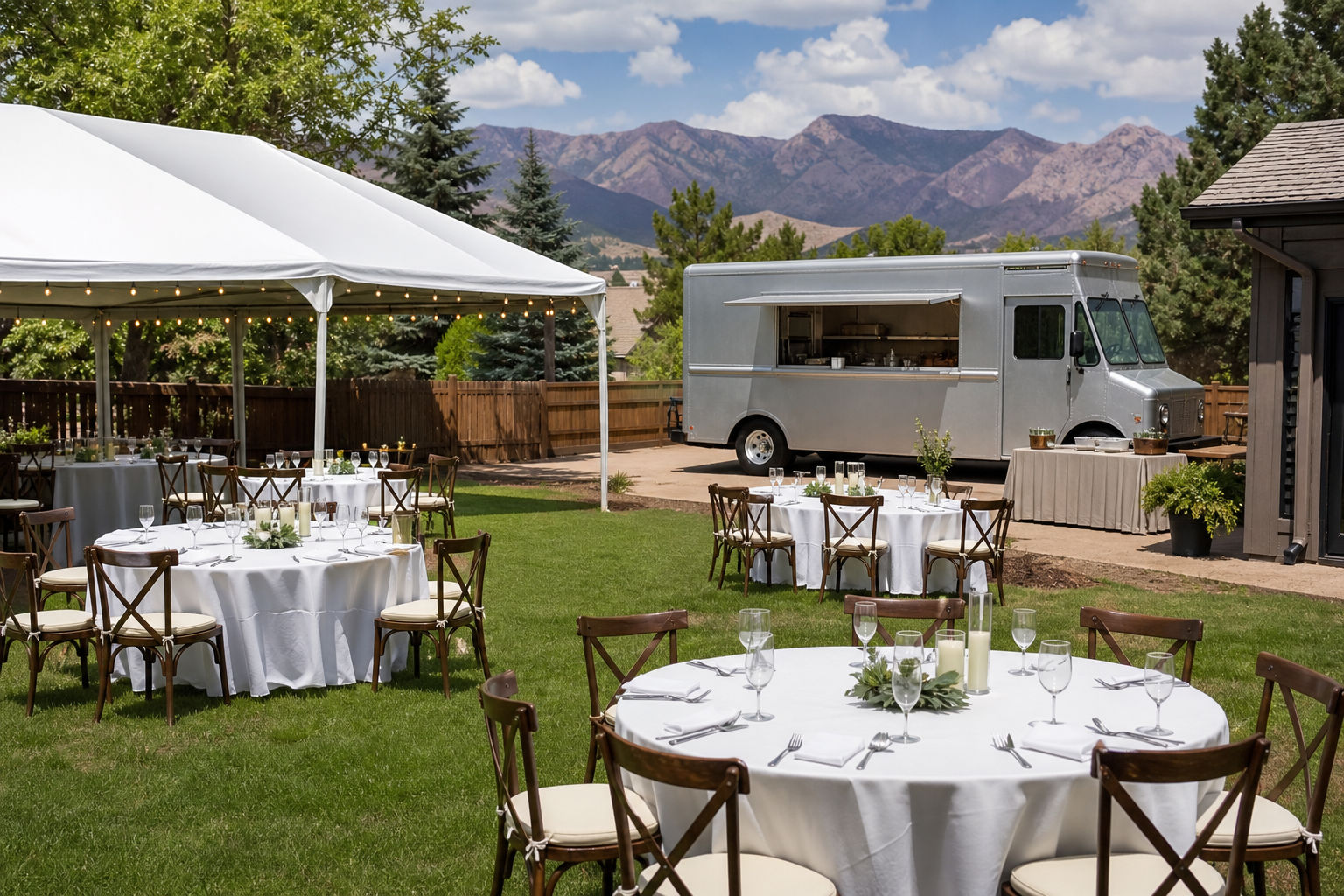
What You'll Learn
- Build a realistic event timeline from 3 months out to event day
- Set guest counts and layouts that support smooth food service
- Know when to book catering, rentals, and permits locally
- Reduce day-of stress with a clear coordination checklist
Private events can feel simple at first: pick a date, invite guests, order food. But graduation parties, milestone birthdays, anniversaries, and family celebrations often become more complex once guest counts grow, parking gets tight, weather becomes a factor, and service timing matters. A clear planning timeline helps hosts stay ahead of decisions instead of reacting to problems in the final week.
For homeowners and local business owners in Thornton, Denver, and Westminster, the biggest advantage of working with an event planner and mobile caterer is coordination. The Food Truck Family helps organize the moving parts that affect guest experience most: headcount, layout, catering flow, rentals, permits, delivery access, and day-of communication. When those details are handled in the right order, the event feels relaxed and well run.
Three to Four Months Before: Set the Foundation
Start by defining the purpose of the event and the experience you want guests to have. A graduation party may need open-house style service over several hours, while a 50th birthday may work better with a set meal time and more structured seating. Before choosing a menu or rentals, confirm the basics: preferred date, backup date, estimated budget range, target guest count, and whether the event will be held at a home, office, neighborhood common area, or rented venue.
This is also the right stage to think about space. Mobile catering works best when vehicle access, serving location, guest circulation, and seating zones are considered early. If you are unsure how many tables to use or how long service should last, review How to Plan Guest Counts, Service Windows, and Seating for a Mobile Catered Event. Early layout planning prevents common issues like long lines, blocked driveways, and overcrowded patios.
- Choose the event date and event style
- Create a preliminary guest count range
- Identify the event location and parking access
- Set a working budget for food, rentals, and extras
- Contact your caterer or planner to check availability
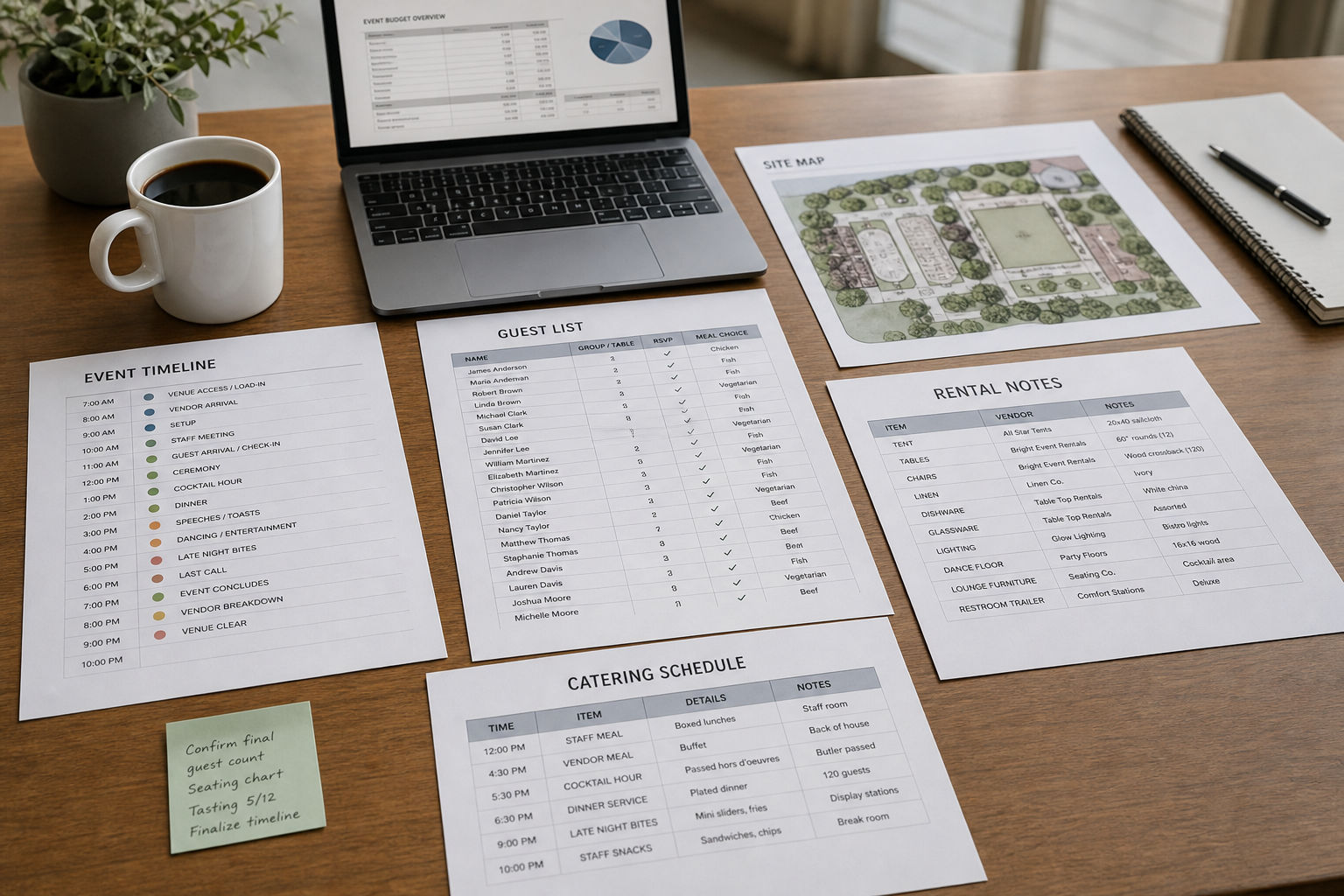
Eight to Ten Weeks Before: Confirm Guest Count Direction and Catering
Once the date and location are in place, move into the decision phase. This is when an event planner narrows the guest count estimate, recommends a service format, and matches the food plan to the event schedule. For example, a family celebration in Broomfield may need staggered service if guests arrive over the afternoon, while a birthday party in Aurora may be better suited to a clear dinner window followed by dessert and speeches.
Booking catering at this point gives you time to align menu choices with guest needs and site logistics. A mobile caterer may need details about driveway clearance, curb access, power, trash handling, and where guests will queue. If your event includes vegetarian, gluten-sensitive, or kid-friendly options, that is easier to organize with enough lead time. This is also when planners help hosts avoid over-ordering or under-ordering by using realistic attendance assumptions rather than invitation totals alone.
Six to Eight Weeks Before: Review Permits, Neighborhood Rules, and Rentals
This is the stage where many private events either become easier or more stressful. If you are hosting at home in Denver, Northglenn, or Commerce City, check whether your neighborhood, HOA, or property manager has restrictions related to parking, common areas, sound, or vendor access. Some locations also have rules about where a food truck can park or how long it can remain on site. If you need a deeper overview, see Permits, Neighborhood Rules, and Event Logistics: What Hosts in Thornton and Denver Should Handle Before a Private Event.
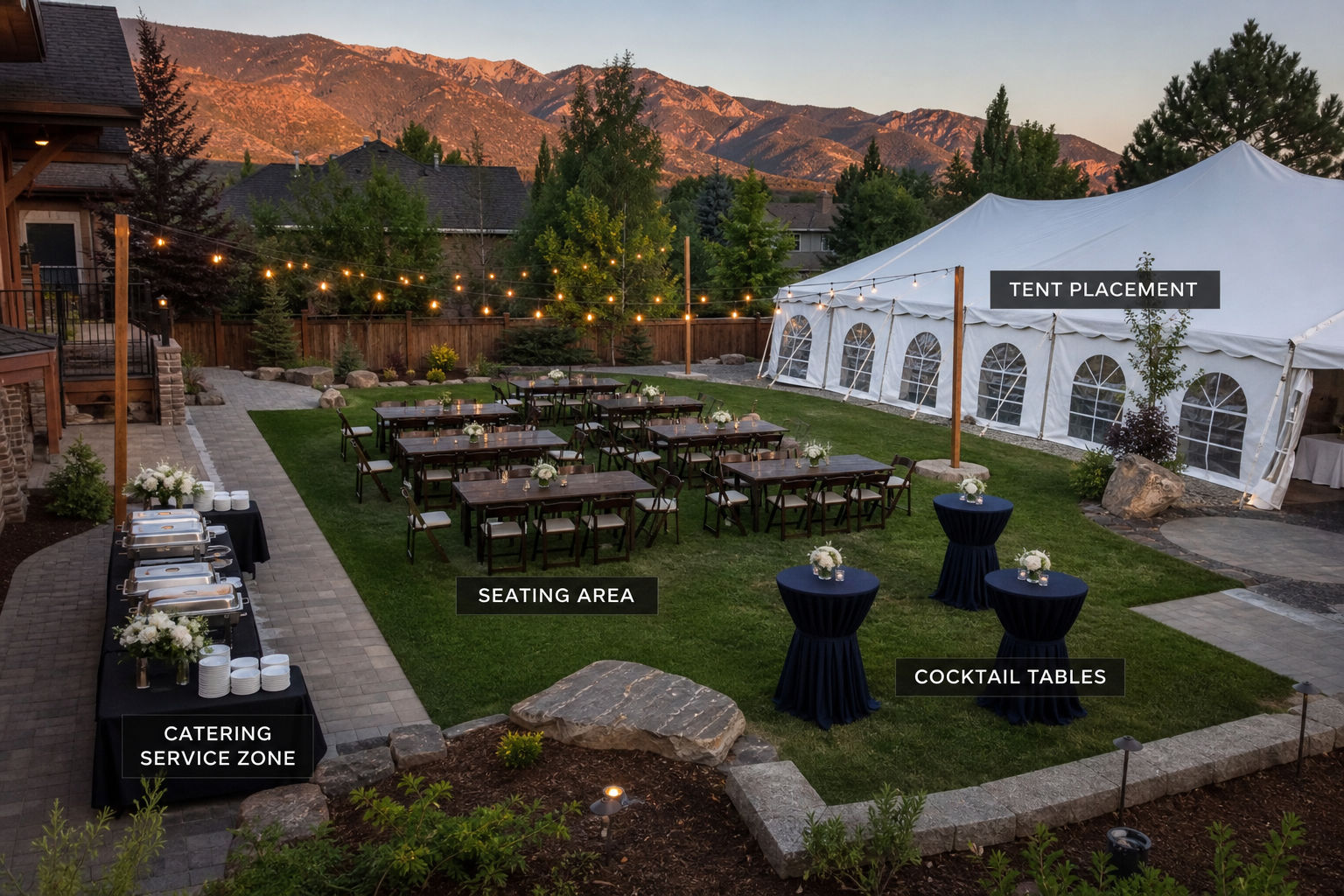
At the same time, finalize rental needs. Typical items include tables, chairs, linens, shade tents, cocktail tables, trash receptacles, lighting, and portable restrooms for larger gatherings. Your layout should support both guest comfort and food service efficiency. An event planner will usually map out where the truck parks, where guests line up, where drinks and desserts go, and how people move between seating and activity areas without crowding the service zone.
- Confirm whether permits or HOA approval are required
- Reserve tables, chairs, tents, and any specialty rentals
- Sketch the event layout with serving and seating zones
- Plan for trash, recycling, lighting, and restroom access
One Month Before: Lock In the Event Flow
With the major vendors booked, turn your attention to timing. Decide when setup starts, when the caterer arrives, when guests begin arriving, when food service opens, and when cleanup begins. This is especially important for milestone birthdays and graduation parties where speeches, slideshow presentations, cake service, or gift moments can interrupt meal flow if they are not scheduled carefully.
Colorado weather should also be part of the plan, even for events that seem straightforward. If your celebration is outdoors in Arvada, Lakewood, or Parker, build in shade, rain backup options, and wind considerations for signage, linens, and buffet support areas. Hosts planning outdoor events may also find useful ideas in Rain, Wind, and Heat: Event Planning Strategies for Outdoor Celebrations in Colorado. A weather-aware timeline protects the guest experience and helps vendors adapt without panic.
Two Weeks Before: Final Numbers and Communication
Two weeks out, your event planner should be shifting from concept to confirmation. Finalize the most accurate guest count possible, update the caterer on attendance, and confirm all rental quantities. This is also the time to send practical details to guests, including parking instructions, arrival window, dress expectations for outdoor events, and whether the event is open-house or starts at a set time.
For larger gatherings, create a simple contact list that includes the host, planner, caterer, rental company, and any venue or property contact. If the event is at a neighborhood clubhouse or shared commercial property, make sure access instructions are written down, not just discussed verbally. Good communication is one of the biggest reasons professionally coordinated private events feel calm instead of rushed.
The Week Of: Reconfirm Every Moving Part
During the final week, reconfirm arrival times, site access, parking plan, and weather backup procedures. Walk the property if possible and note any changes that could affect setup, such as landscaping work, blocked gates, construction, or limited curb space. If you are hosting in Centennial, Littleton, or Castle Rock, a quick site review can prevent delays on event day.
- Confirm vendor arrival windows and setup order
- Mark the food truck parking and service location
- Prep tables for gifts, desserts, drinks, or favors
- Assign one point person for family questions on event day
- Check weather and activate backup plans if needed
Event Day: Focus on Hosting, Not Troubleshooting
On the day of the event, the goal is simple: let the host be present. A professional planner or experienced mobile caterer manages setup timing, vendor coordination, service flow, and adjustments as guests arrive. If the guest count is heavier than expected, service can be paced. If arrivals are delayed, the food timeline can be adjusted. If wind shifts or parking tightens, the team can respond without pulling the host away from family and guests.
The most successful private events rarely feel overproduced. They feel easy because the right decisions were made at the right times. For homeowners and businesses across Thornton, Denver, Westminster, and surrounding communities, that is the value of working with a team that understands both catering and event logistics. The Food Truck Family helps hosts turn a long checklist into a smooth, enjoyable celebration from the first planning call through final cleanup.
Source: prepare for emergencies