How Many Guests Can Meal Delivery Serve Per Hour at Events in Northglenn
What You'll Learn
- Estimate realistic guest counts served per hour
- Match menu style to your event timeline
- Reduce lines and service bottlenecks
- Plan setup, waves, and delivery timing with confidence
When planning meal delivery for an event in Northglenn, one of the most important questions is how quickly guests can realistically be fed. The answer depends on more than headcount alone. Delivery timing, menu complexity, packaging, site access, and how guests receive their meals all affect service speed. For homeowners and business owners alike, understanding these variables helps prevent long waits, cold food, and a schedule that falls behind before the event really gets going.
For most events, meal delivery in Northglenn works best when hosts think in terms of distribution rate rather than a single universal number. A simple boxed meal or individually labeled order can move much faster than a build-your-own setup or a menu with multiple last-minute components. If your event includes separate gathering areas, staggered arrivals, or a tight agenda, it helps to review planning examples like this guide to coordinating food across multiple outdoor zones so the delivery plan supports guest flow instead of slowing it down.
A realistic per-hour service range for meal delivery
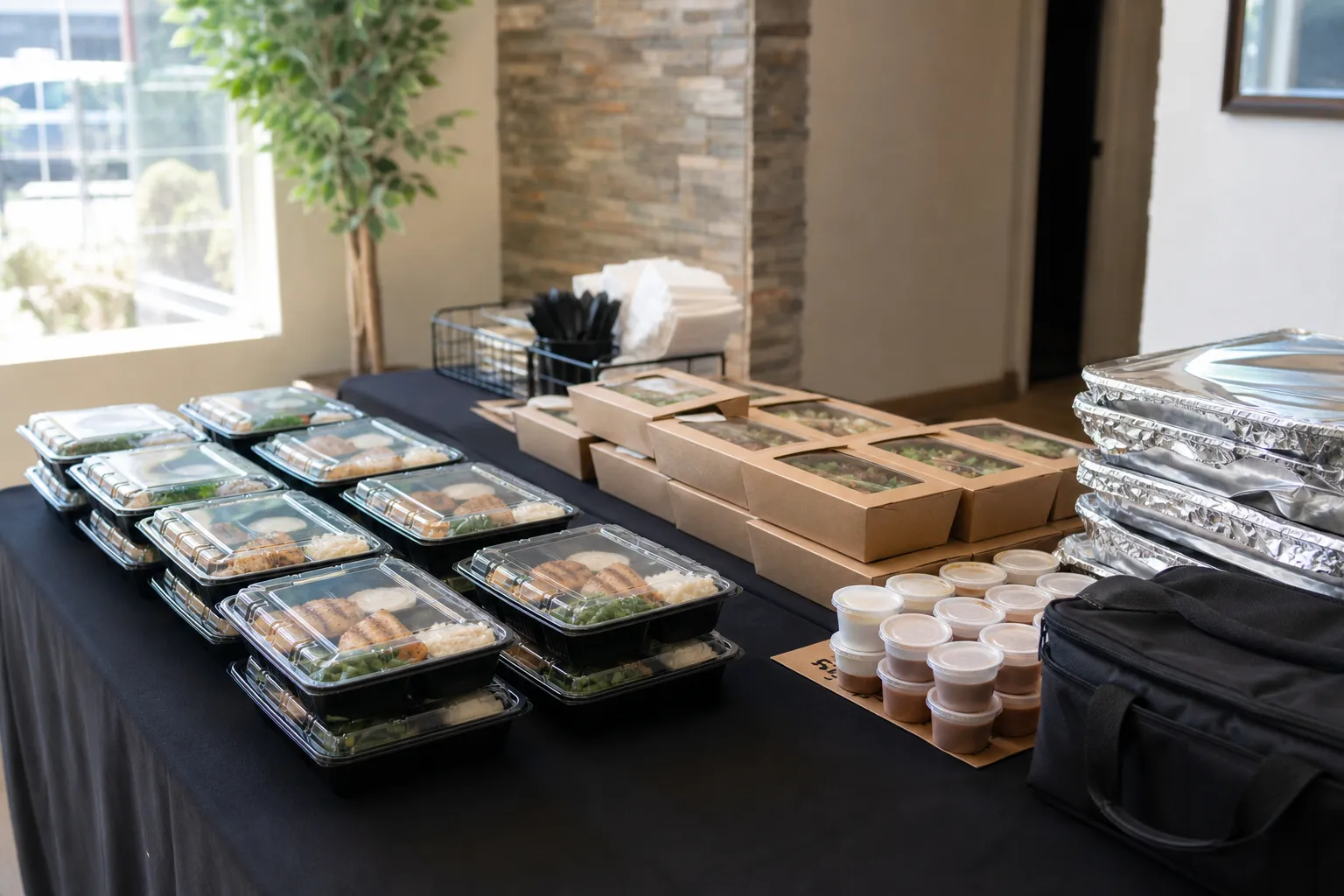
As a practical baseline, a straightforward meal delivery setup can often support roughly 40 to 100 guests per hour when meals are pre-portioned, clearly organized, and easy to hand out. That range narrows or widens based on event conditions. On the lower end are events where guests must be checked against individual orders, where drop-off access is limited, or where meals include several separate items that need to stay organized. On the higher end are events with a single menu for everyone, grouped delivery points, and enough table space for smooth pickup.
What matters most is not chasing the highest possible number, but choosing a distribution plan that matches your event. For example, office gatherings with a fixed lunch window need a different approach than a backyard celebration where guests circulate over a longer period. If your schedule includes announcements or timed activities, it is smart to study how food service interacts with the event agenda, as explained in this post about coordinating speeches, announcements, and food service. Even with meal delivery, timing and handoff logistics shape the guest experience.
What affects meal delivery speed the most
- Menu simplicity: fewer components usually means faster distribution
- Packaging format: boxed or labeled meals move faster than mixed trays
- Pickup layout: one crowded table slows everything down
- Arrival pattern: all guests at once creates a bottleneck
- Site access: stairs, long walks, or limited parking add delay
- Special requests: dietary sorting requires extra organization
Hosts in Northglenn often underestimate how much menu design changes delivery speed. A single packaged entrée with utensils and sides included is typically the fastest option. A menu with separate sauces, toppings, desserts, and beverage coordination takes longer to stage and distribute correctly. That does not mean a more detailed menu is a bad choice; it simply means the timeline should reflect the added handling. If you are planning around a private venue with a narrow access window, this article on short setup windows highlights why logistics matter just as much as the food itself.
Event type changes the pace of meal delivery
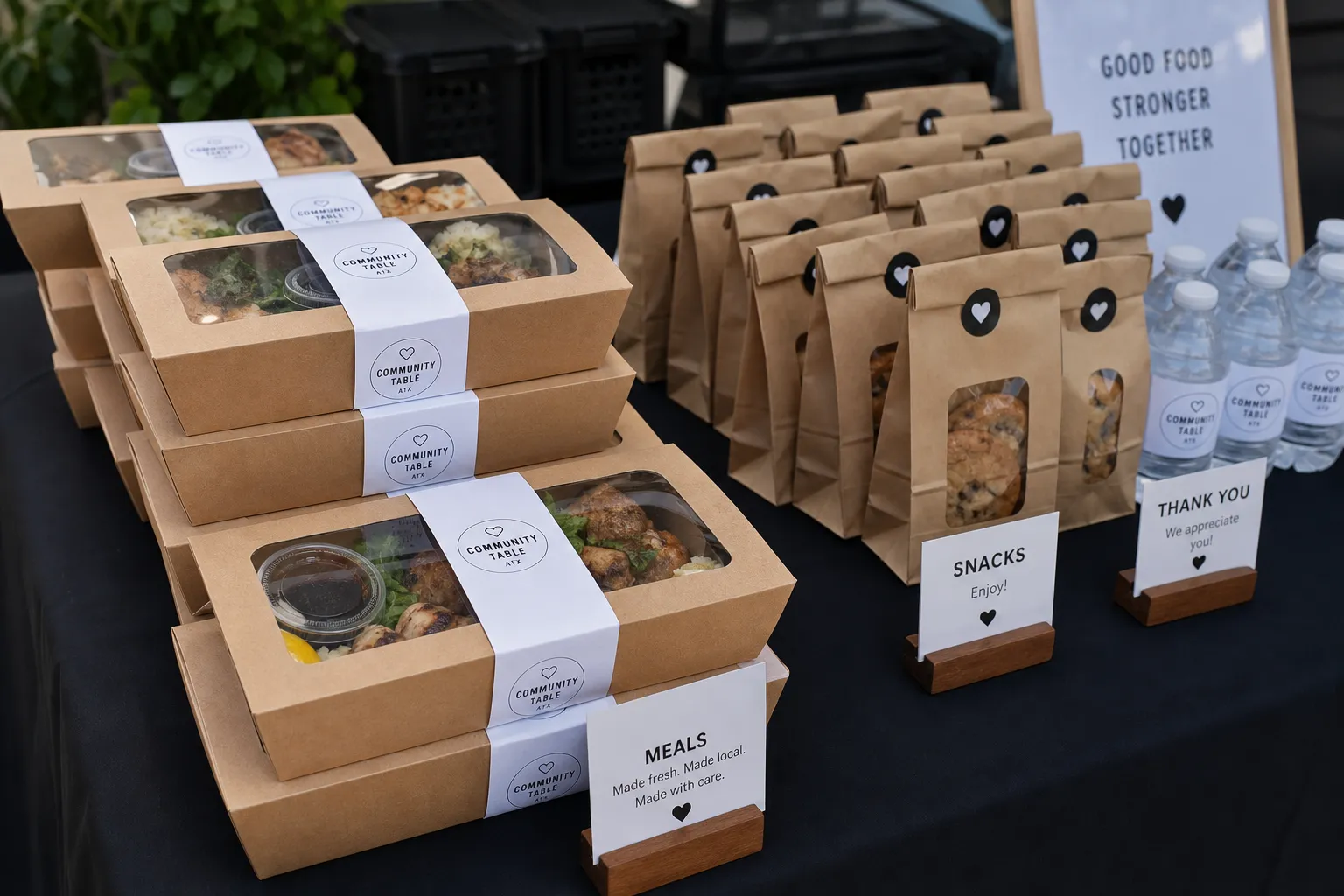
Different events create different expectations for meal delivery in Northglenn. At weddings, guests tend to expect a smooth, coordinated meal period that fits tightly with the ceremony, toasts, and photography schedule. In that setting, the best delivery plan is usually one that minimizes guest decision-making and reduces crowding at pickup. For hosts comparing event structures, this wedding planning guide with multiple vendors and a clear guest experience offers useful insight into keeping the food portion of the day aligned with the broader timeline.
Backyard parties are often more flexible, but they bring their own challenges. Guests may arrive in waves, spread out through the property, or gather in small groups rather than one organized line. In those cases, meal delivery tends to perform best when food is timed around natural lulls and pickup areas are obvious and easy to access. Milestone events at home especially benefit from a layout plan, and this birthday event guide shows how timeline and home layout influence service flow.
Corporate events usually place the most pressure on speed because lunch breaks, shift changes, and meeting schedules create a short service window. If 80 people all need their meals within 30 minutes, packaging, labeling, and organized distribution become essential. Office hosts can also learn from this post on building a realistic service schedule for an office event, which reinforces the importance of matching food logistics to the structure of the workday.
How to avoid long lines and delayed meals
The fastest meal delivery events in Northglenn are usually the ones that remove unnecessary decisions at pickup. That means confirming the final guest count early, grouping special dietary meals clearly, and choosing a handoff method that fits the property or workplace. If everyone must approach one narrow table through one doorway, even a simple order can back up quickly. But if meals are sorted by team, household, or pickup wave, the process becomes far more efficient.
Another common mistake is treating food arrival time and guest eating time as if they are the same thing. Delivered meals may arrive on schedule, but guests still need time to find the pickup area, receive the correct order, and settle in. This is especially important for events with multiple zones or staggered attendance. Strong planning means building enough buffer between delivery completion and the moment you need everyone seated, eating, or ready for the next agenda item.
Choosing the right format for your guest count
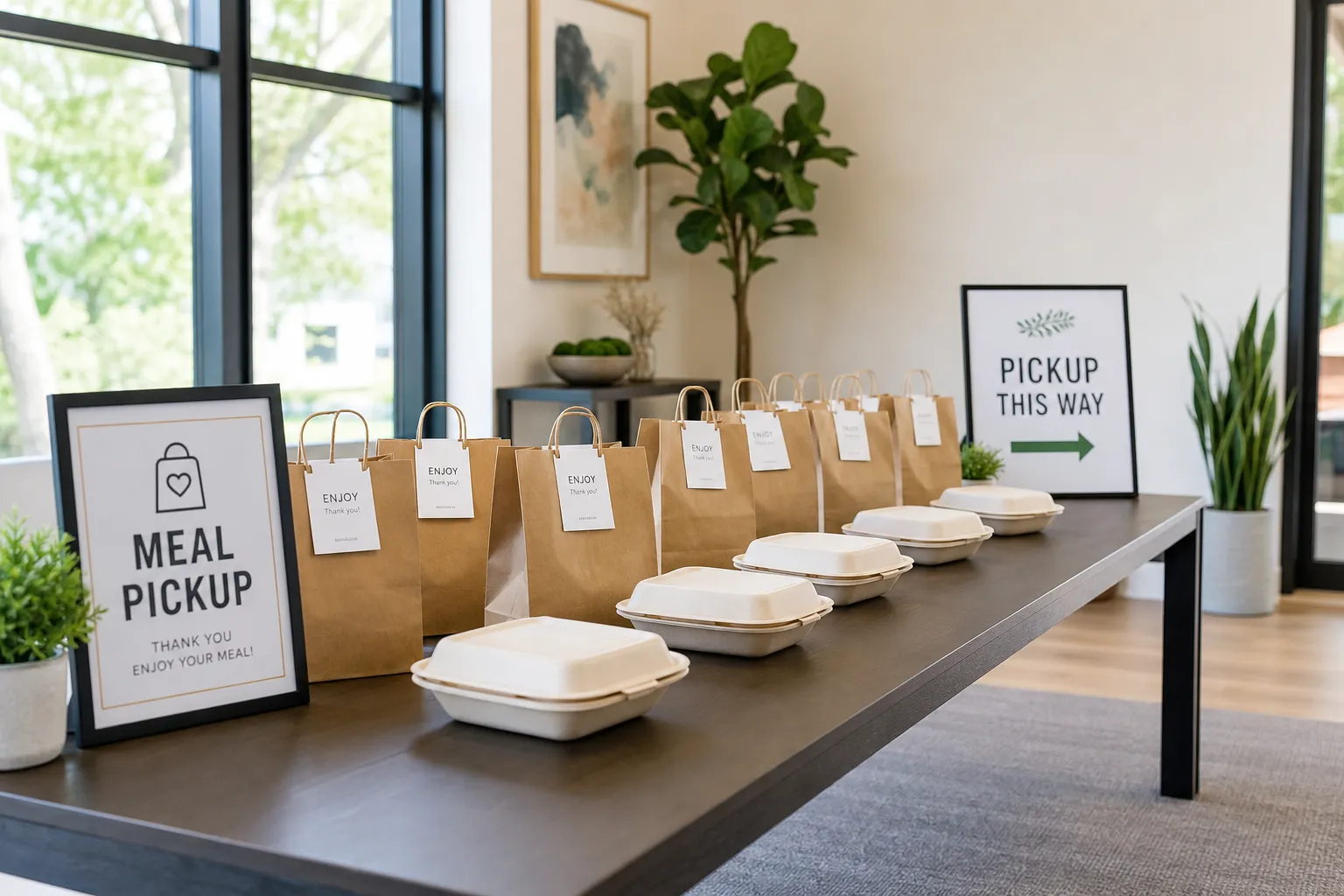
If your event is small to mid-sized, a single coordinated meal delivery in Northglenn may be all you need, especially when the menu is standardized. As guest counts rise, the format matters more than the food volume alone. Larger groups benefit from tighter labeling, clearer staging surfaces, and a pickup sequence that prevents one large crowd from forming. Hosts planning neighborhood-style gatherings or more open-format events may also find it helpful to compare broader timeline thinking in this article on realistic event timelines for block-style gatherings, even though the exact event type may differ.
For business owners, the right question is often not "How many guests can be served in an hour?" but "How many guests need their meals within a specific 15- or 30-minute window?" That distinction changes the plan. For homeowners, the better question may be whether guests will naturally eat over time or all at once after a formal moment. In both cases, the most successful meal delivery approach is one designed around real guest behavior instead of a generic estimate.
Planning expectations for a smoother event
To set realistic expectations, hosts should confirm four basics before booking: the guest count, the menu format, the exact delivery access point, and the time by which guests actually need food in hand. Those details make it easier to estimate whether your event can move at the high end of the service range or whether more buffer is needed. In Northglenn, thoughtful planning around meal delivery helps protect the guest experience just as much as the menu choice itself.
Ultimately, most delays come from mismatched assumptions, not from the concept of delivery. When hosts align the menu, the timeline, and the pickup setup, meal delivery can support an efficient, professional event experience. If you want a smoother service window, fewer bottlenecks, and a plan built around your real guest count, meal delivery in Northglenn works best when timing is treated as part of the event strategy from the start.
Source: food safety guidance for events
Frequently Asked Questions
The Food Truck Family with a hands-on approach shaped by a genuine passion for bringing people together through great food and smooth event experiences. Drawn to catering and mobile food service by the energy of celebrations and community gatherings, focuses on making each event feel well cared for from start to finish. The interest in this work comes from the simple idea that good food and thoughtful service can turn any occasion into something memorable. Customers can expect each truck to be approachable, detail-minded, and committed to making planning easier, whether they need catering, delivery, or support for a larger event. They bring a practical, customer-first mindset to every order and every celebration in Colorado.
- Specialized in catering services
- Experienced in mobile catering and event catering
- Offers event planning and event management services
- Provides wedding, party, takeout, and meal delivery services