How to Choose Food Truck Catering That Actually Fits Your Event
What You'll Learn
- Match catering style to event size, flow, and guest expectations
- Avoid common booking issues with venue and access planning
- Choose menus that serve guests efficiently and satisfy more people
- Ask smarter questions before you book a local food truck caterer
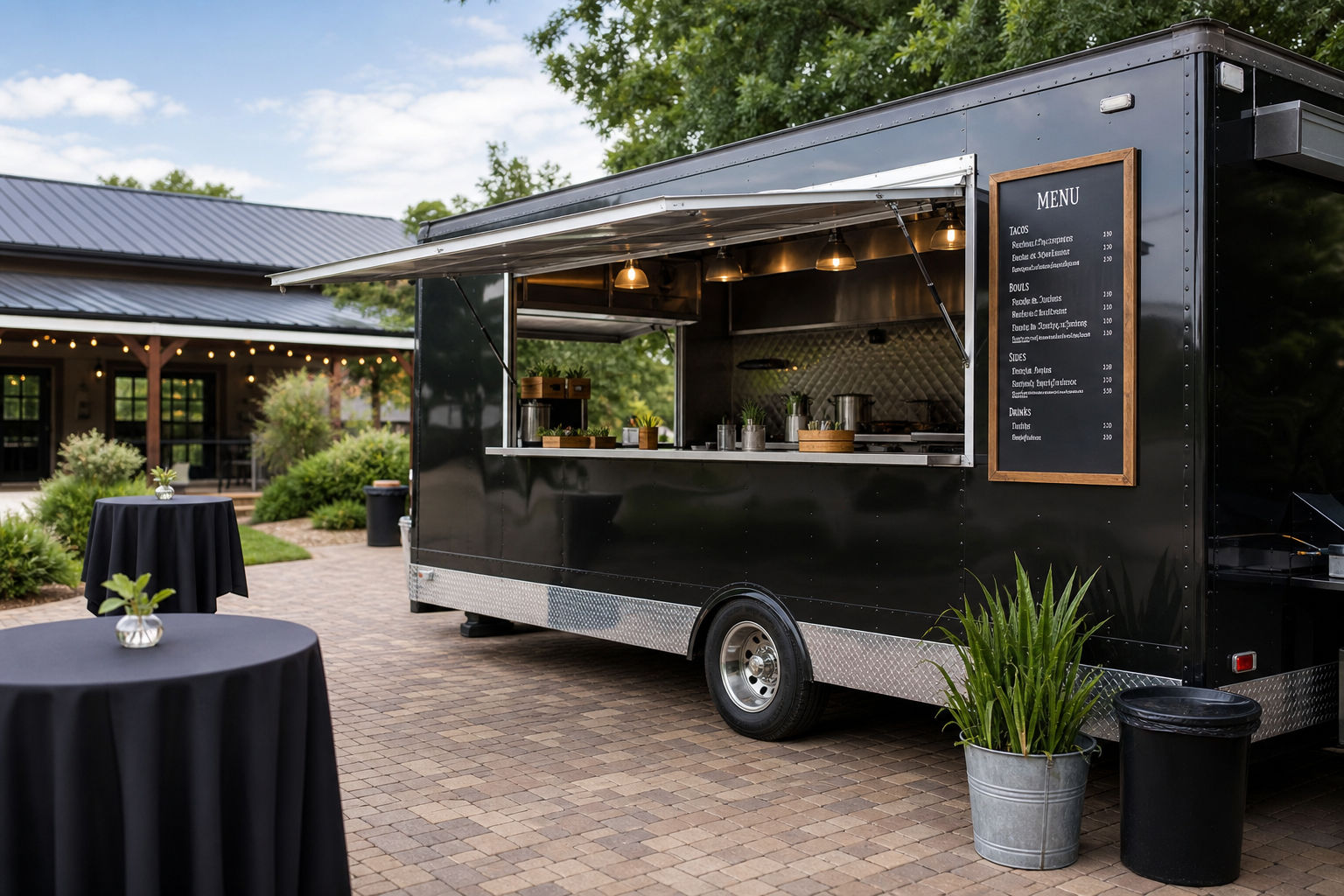
Choosing food truck catering sounds simple until you start comparing menus, service styles, parking needs, and guest expectations. For homeowners planning parties and local business owners organizing company events, the best choice is not just the truck with the most exciting menu. It is the one that fits your event format, your venue, and the experience you want guests to have. In the local area, that means thinking beyond food alone and evaluating how catering will work on-site from arrival to cleanup.
A good food truck catering fit should make your event feel organized, welcoming, and easy to manage. A poor fit can create long lines, parking conflicts, or a menu that does not match the occasion. If you are still comparing service formats, it helps to review How to Decide if Food Truck Catering or Drop-Off Catering Fits Your Event Best before you book. Once you know a food truck is the right direction, the next step is choosing one that aligns with your space, schedule, and guests.
Start With the Type of Event You Are Hosting
Different events need different catering setups. A backyard graduation party has very different needs than a tenant appreciation event, office lunch, school function, or retail grand opening. Before you compare trucks, define the basics: how long the event lasts, whether guests arrive all at once or in waves, how formal the atmosphere is, and whether food is the main attraction or one part of a larger program. Food truck catering works best when the service style supports the event flow.
- Private parties often need flexible timing and broad menu appeal
- Corporate events usually benefit from predictable service speed
- Community events need clear line management and simple ordering
- Open-house style events work well when guests eat on their own schedule
For many local homeowners, the appeal is convenience and atmosphere. For local business owners, it is often about creating a memorable guest experience without the setup demands of traditional catering. If your goal is a smoother event from the start, How to Plan a Smoother Local Event With Food Truck Catering offers a helpful planning framework that pairs well with the selection process.
Make Sure the Venue Can Actually Support a Food Truck
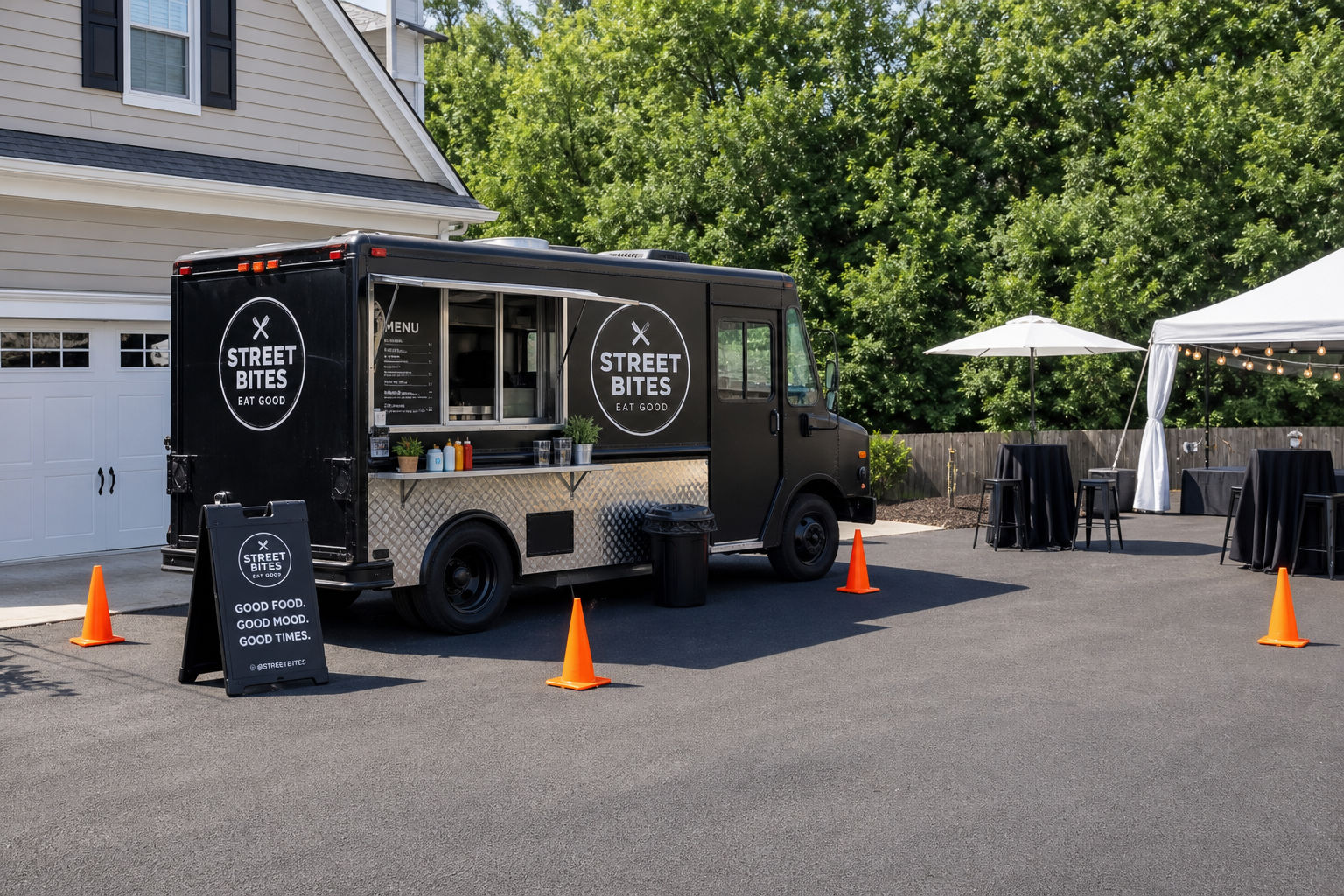
This is where many event plans succeed or fail. A food truck needs more than a great menu to operate well. It needs safe access, enough parking space, a level setup area, and room for guests to line up without blocking driveways, entrances, or traffic. In the local area, venue logistics can vary widely between residential neighborhoods, business parks, school lots, and community gathering spaces.
Ask whether the truck can enter and exit easily, whether permits or site approval are needed, and whether there are time restrictions for setup or service. If you are hosting in downtown streets, suburban neighborhoods, or mixed-use commercial corridors, these details matter. The same is true in nearby residential communities, office campuses, and local event venues where parking layouts may limit truck placement. A reliable caterer should be able to discuss these logistics clearly and help you identify potential issues before event day.
Choose a Menu That Balances Appeal and Service Speed
Great food matters, but so does throughput. A highly customized menu may sound impressive, yet it can slow service if every order takes too long to prepare. For larger gatherings, a focused menu with a few strong options usually serves guests more efficiently. The right food truck caterer will help you balance menu variety with realistic service timing so the line keeps moving and the experience stays positive.
When reviewing menus, ask practical questions. Are there options for kids, vegetarian guests, or common dietary needs? Can the menu be simplified for faster service? Will guests order individually, or will the event use preselected packages? For local area events with mixed age groups and broad preferences, flexibility matters. A menu that looks exciting online is only a good fit if it works for the people actually attending your event.
Menu questions worth asking
- How many guests can be served per hour?
- Which menu items are fastest for high-volume service?
- What dietary accommodations are realistically available?
- Is there a recommended menu for my guest count and event length?
If you are also weighing simpler alternatives, How to Choose Between Food Truck Catering and Drop-Off Catering for Your Next Local Event can help you compare convenience, guest interaction, and service flow more directly.
Think About Guest Count, Timing, and Line Management
Food truck catering should fit the pace of your event, not fight against it. A truck may be perfect for 50 guests arriving over two hours, but less ideal for 200 people all expecting to eat within a 30-minute window unless the service plan is designed for that volume. This does not mean larger events cannot work well. It means the booking should reflect realistic timing, menu design, and event coordination.
For homeowner events, staggered serving times often happen naturally as guests mingle. For workplace lunches, school staff appreciation events, and customer-facing business gatherings, you may need a tighter service window. In those cases, ask how the caterer handles peak demand, where lines will form, and whether event coordination support would improve the setup. For a broader planning perspective, How to Plan a Better Local Event by Pairing Food Truck Catering With Event Coordination explains how logistics and catering can work together more effectively.
Look for Clear Communication, Not Just a Great Pitch
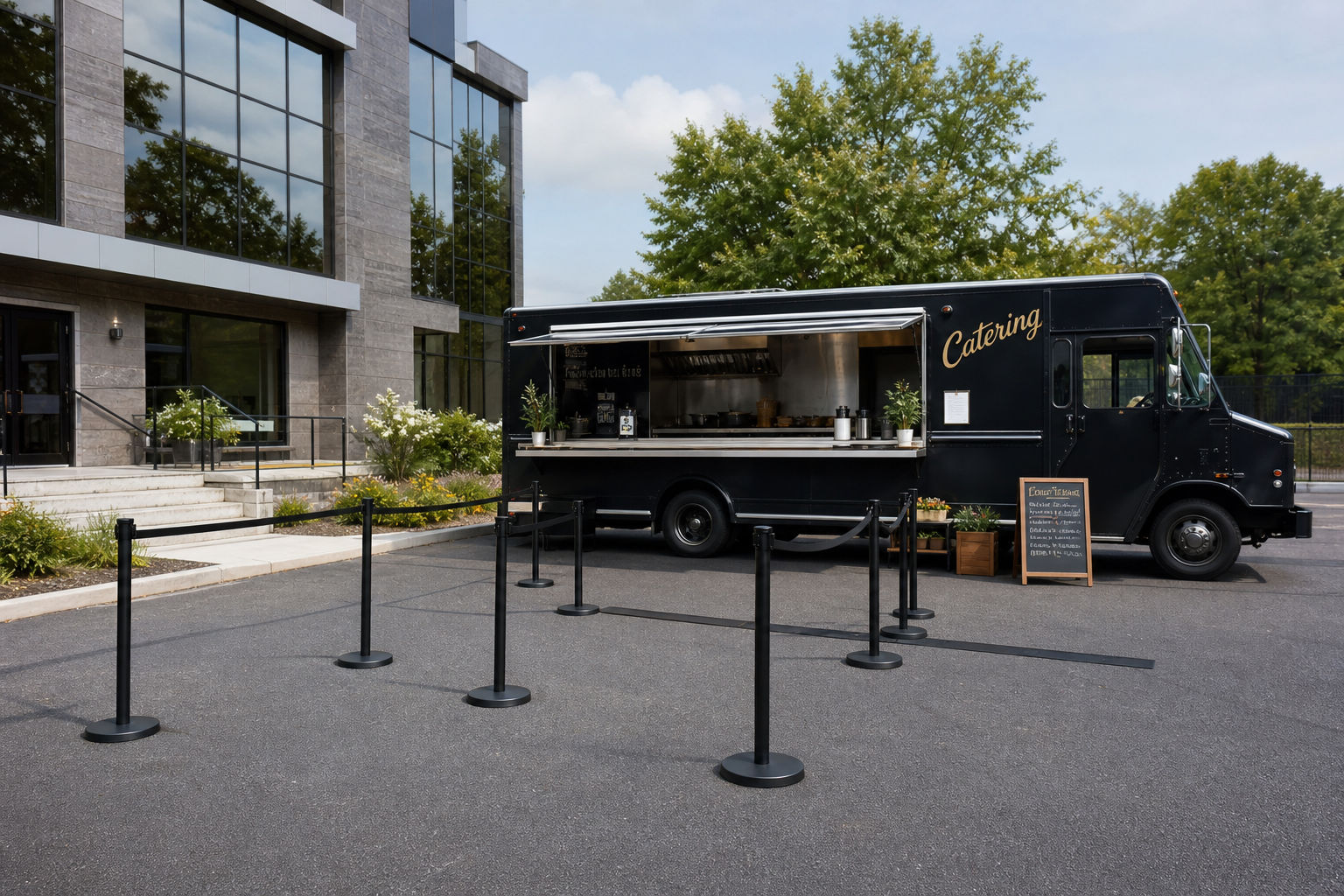
The best local food truck caterers do more than sell food. They ask smart questions, explain how service will work, and help you prepare for the site conditions in your specific neighborhood or business location. Whether your event is in the local area, nearby residential districts, or surrounding commercial zones, communication is one of the clearest signs of a strong fit. If a provider is vague about setup, timing, menu limitations, or on-site requirements, that uncertainty often shows up later as stress for the host.
Look for a caterer who can explain arrival timing, serving capacity, guest flow, cleanup responsibilities, and contingency planning in plain language. The goal is not to hear the most polished sales pitch. The goal is to understand exactly how they will support your event. If you want a picture of what a well-run experience should feel like, How to Make Food Truck Catering Feel Effortless at Local Events is a useful companion read.
Questions to Ask Before You Book
- What guest count and service window do you recommend for this event?
- What are your site access and parking requirements?
- How do you handle dietary restrictions and menu changes?
- What does setup, service, and cleanup look like on event day?
- Have you catered similar events in the local area before?
These questions help you compare providers on fit, not just price or popularity. They also help ensure your event gets a catering solution designed around your actual needs. For readers who want a broader local overview, Food Truck Catering in the Local Area: What Homeowners and Business Owners Should Know Before Booking covers additional points that are especially relevant when planning nearby events.
Choose the Caterer That Fits the Experience You Want to Create
The right food truck catering choice is the one that matches your event goals, works with your venue, serves your guests efficiently, and gives you confidence before the event even begins. For homeowners, that may mean easy hosting and a memorable backyard experience. For local business owners, it may mean dependable service that supports staff, customers, or community guests without disrupting the event schedule. In every case, fit matters more than hype.
When you evaluate food truck catering through the lens of logistics, menu practicality, guest flow, and communication, you make a smarter decision and create a better event. Start with your event needs, ask detailed questions, and choose a local partner that can clearly show how their service will work in your space. That is how food truck catering goes from a fun idea to a successful event decision.
Source: event preparedness guidance